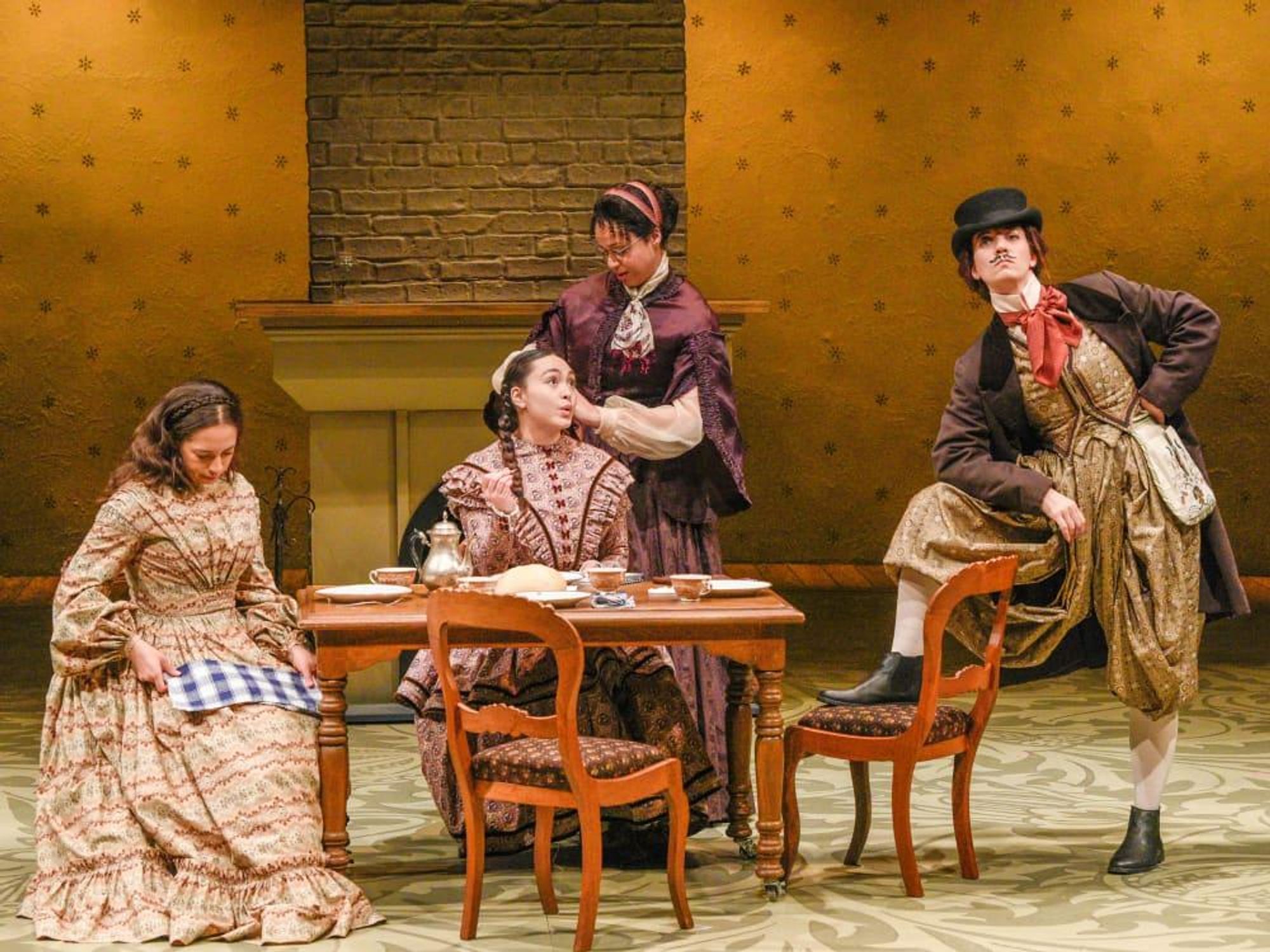
Dallas Theater Center's costume and production departments have turned to making masks.
Photo by Karen Almond
Dallas Theater Center is joining otherbig names in using its materials, people, and skills to construct and donate masks during the COVID-19 pandemic.
The 2017 Regional Theatre Tony Award winner's production department is redirecting its resources while the company remains closed, with costume director Micheal Waid Heath leading the way.
"I didn't initially jump at the chance to make cotton masks," he says. "Safety concerns revolving around the use of reusable masks versus disposable masks dominated the initial discussion. I spoke with many people, including other costumers and medical professionals, about alternative ways to create masks."
When the stay-at-home orders went into place, Waid and his team got to work, and have been working diligently ever since. They're using sheets and clothing to make the masks, along with more traditional materials. Members of the production department, the Dallas Opera, the AT&T Performing Arts Center, and other Dallas Theater Center staffers and board members have also joined the cause.
"During this time, it has been important for our entire production department to find unique ways to continue to contribute to the organization and our community, even while staying safe at home," says DTC director of production Bryan White.
So far, about 300 masks have been made, and 300 more are in the works. The masks were donated to Texas Oncology Presbyterian Cancer Center of Dallas and John Peter Smith Hospital in Fort Worth.
Staff members got an unexpected boost to their efforts and their hearts when they received a huge donation of nose clips from SMART Local Union No. 67 in San Antonio.
Thanks to instruction from Waid, soon more people will be able to make their own masks. The Dallas Theater Center is currently creating a step-by-step guide for its YouTube channel.
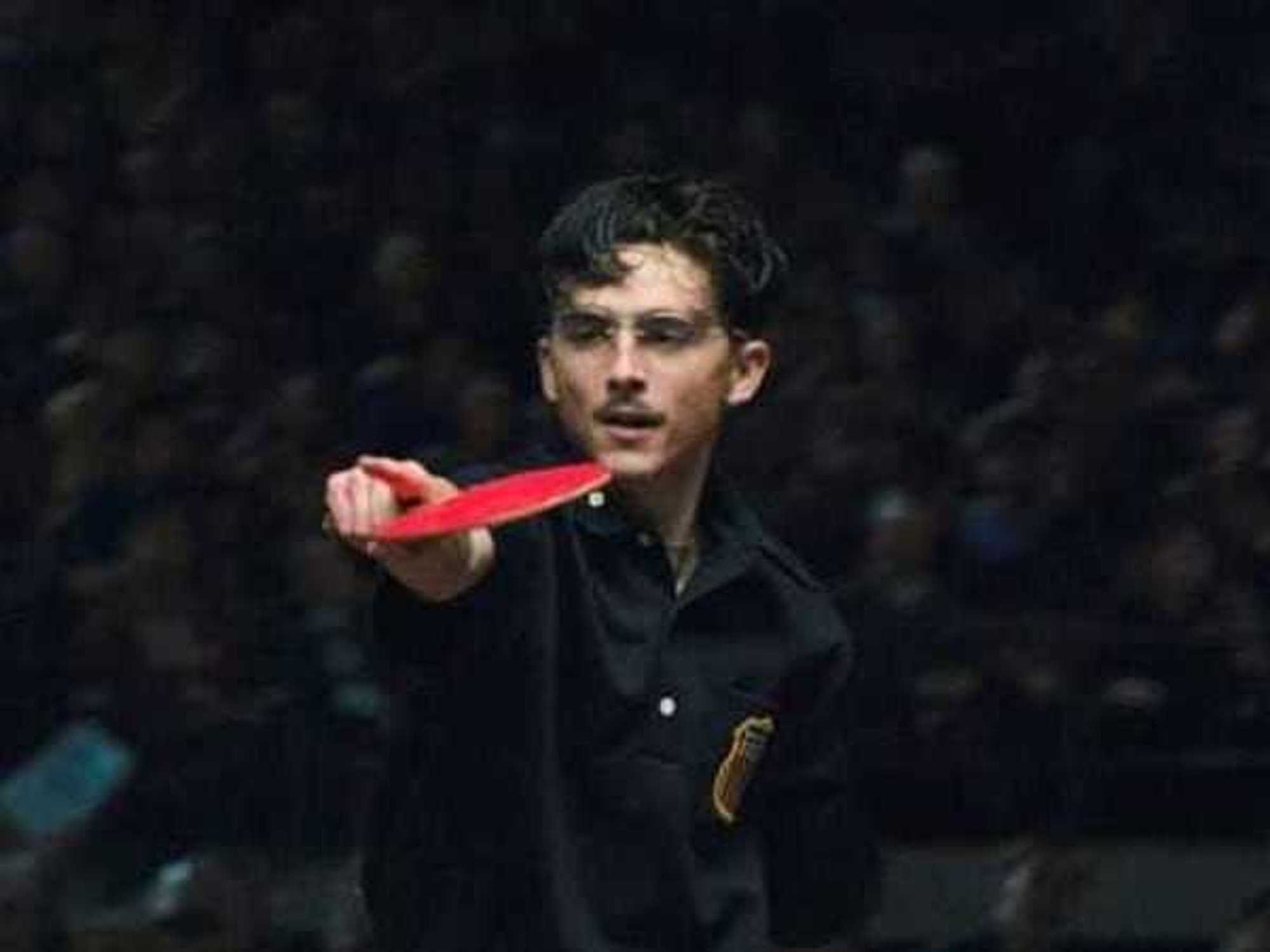
It was a shot fired from Austin that rang out around the art world: In a recent CNN/Variety Town Hall featuring actors Timothée Chalamet and Matthew McConaughey, Chalamet offered an assessment of ballet and opera that immediately went viral.
During the onstage conversation at the University of Texas at Austin, Chalamet said, "I don't want to be working in ballet or opera, or you know, things where it's like, 'hey, keep this thing alive, even though like no one cares about this anymore.' All respect to the ballet and opera people out there. I just lost 14 cents in viewership."
Chalamet immediately seemed to experience a twinge of regret, awkwardly adding, "But um...damn, I just took shots for no reason." He also sang a note and hid his face behind the cards he was holding.
Stars of the art forms, from Andrea Bocelli to Misty Copeland, immediately began to leap (jeté, if you will) to the the defense of opera and ballet.
In a genius marketing move, Austin's hometown ballet company is taking the unique opportunity to turn a hot topic into a promotion for its next production: Ballet Austin is inviting anyone named Timothée, Timothee, or Timothy to claim a free ticket to its upcoming world premiere of Marie Antoinette: Vampire Queen of Versailles, running March 27-29 at the Long Center for the Performing Arts.
"Timothée… you were in Austin? We were literally down the street," a Ballet Austin post says. "Austin has brisket. Austin has music. Austin also has ballet."
All Timothées and folks with similar names will have to do to claim a ticket is send a message to Ballet Austin on social media and show identification. Everyone else who wants to see the supernatural show where "the line between victim and villain blurs" will have to purchase a ticket ($25-$125) at balletaustin.org.
Ballet Austin isn't afraid to add some edge to classic stories. Photo courtesy of Ballet Austin
Even if Chalamet's words were dismissive, he's obviously not wrong about the relative distribution of public interest between the classical arts and major films like Marty Supreme, the late 2025 film he stars in and is busy promoting. The film's commercially successful release set a record for A24, an already renowned studio.
Chalamet brought up ballet and opera in service of a larger point about pacing in movies. He said he exists in a middle ground as a consumer between wanting to be drawn in early and being more patient as a film progresses. Ultimately, he juxtaposed Barbie and Oppenheimer with the classical arts, pointing out that if the masses want to go see a film, they will "be loud and proud about it" organically, without needing performers to advocate for the seriousness of the art form.
Coincidentally, there couldn't be a better counterpoint to this argument than Marie Antoinette: Vampire Queen of Versailles.
As the title suggests, the story follows historical figure Marie Antoinette as she chooses to become a vampire, seeking "power, immortality, and vengeance," according to a press release. It takes a somewhat silly premise and gives it dramatic gravitas, with an original score by Austin composer Graham Reynolds, who is known outside of classical circles and sometimes composes for movie soundtracks.
"For Ballet Austin, the moment is an opportunity to remind audiences that ballet isn’t fading away," says a release about the new promotion. "It’s evolving, drawing new audiences and continuing to thrive in creative cities like Austin."
If Chalamet really does fall in the middle of instant and delayed artistic gratification, this sounds like the perfect production to draw him in.
And perhaps Ballet Austin should add people named Matthew to their promotion, since McConaughey threw the younger star a bone after his momentary walk-back, saying, "That's not a shot — I hear what you're saying."


 Ballet Austin isn't afraid to add some edge to classic stories. Photo courtesy of Ballet Austin