Trends come and go, but a new Houzz report has unveiled all the ways current home design trends are evolving with the seasons rather than fading into obscurity or becoming dated.
Houzz interviewed nearly 50 home design professionals to determine emerging home design ideas for its 2026 U.S. Fall Design Trends Report. One common goal unites every trend this fall: creating rooms that celebrate the personalities of those who live in it.
These are Houzz's top design trends for fall 2026.
Warmth has become the new standard
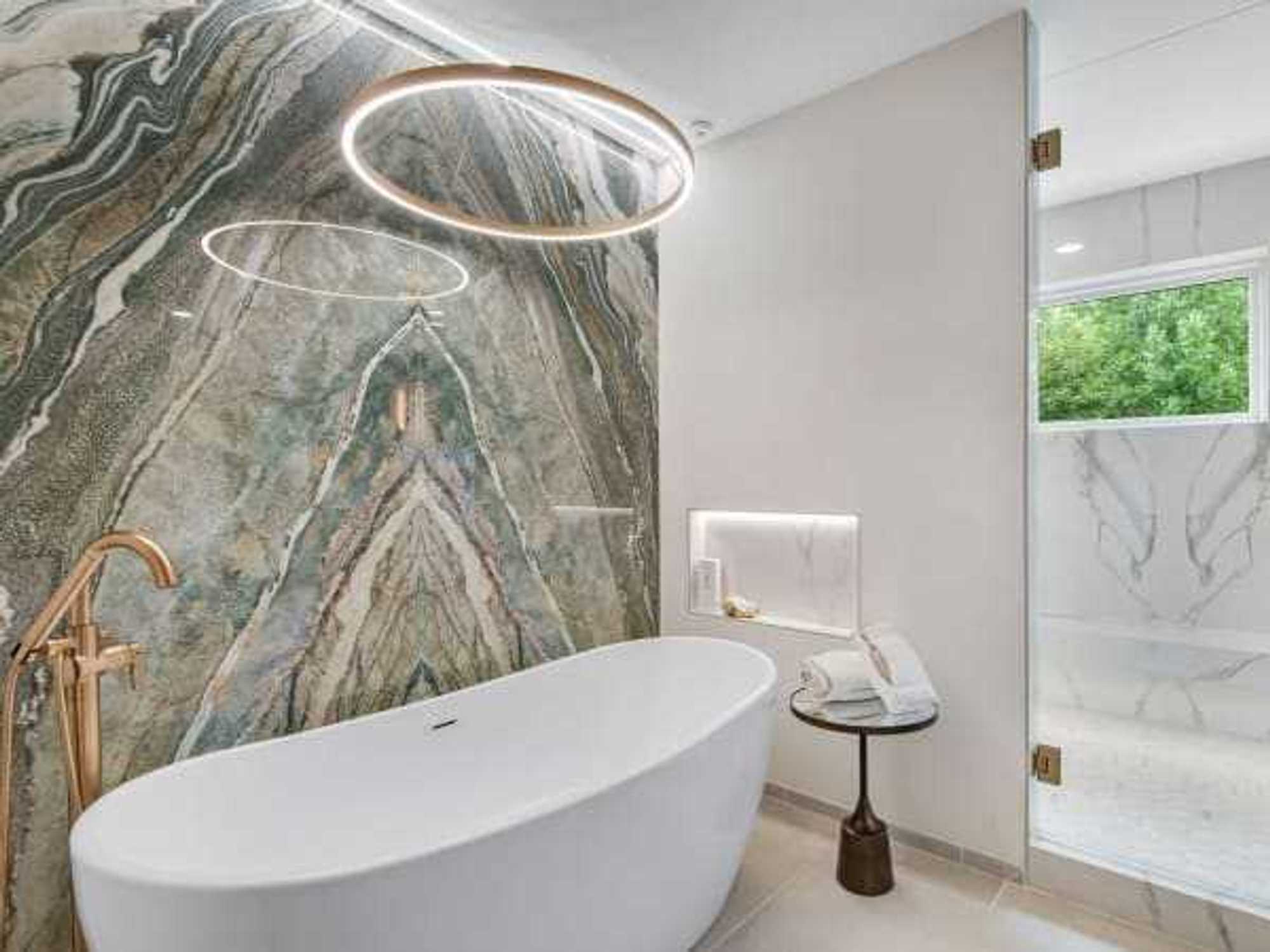
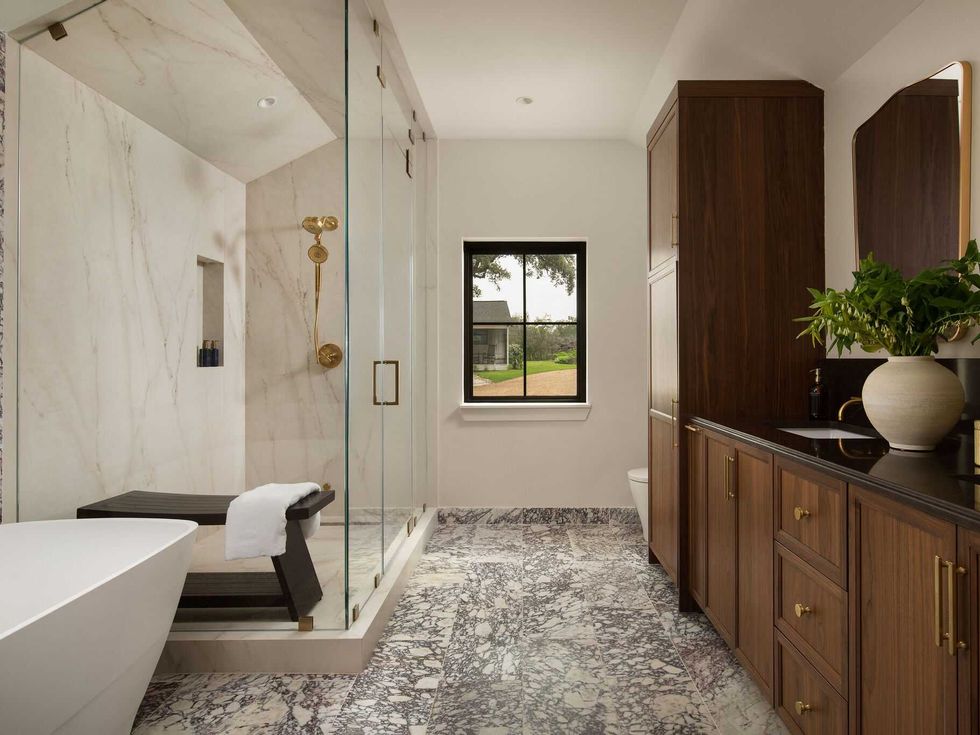
One thing that's for certain: homeowners have officially done away with stark white and gray interiors. Warm color palettes first emerged as a design trend in late 2023, and now these inviting tones have transcended trendiness to become the "new baseline."
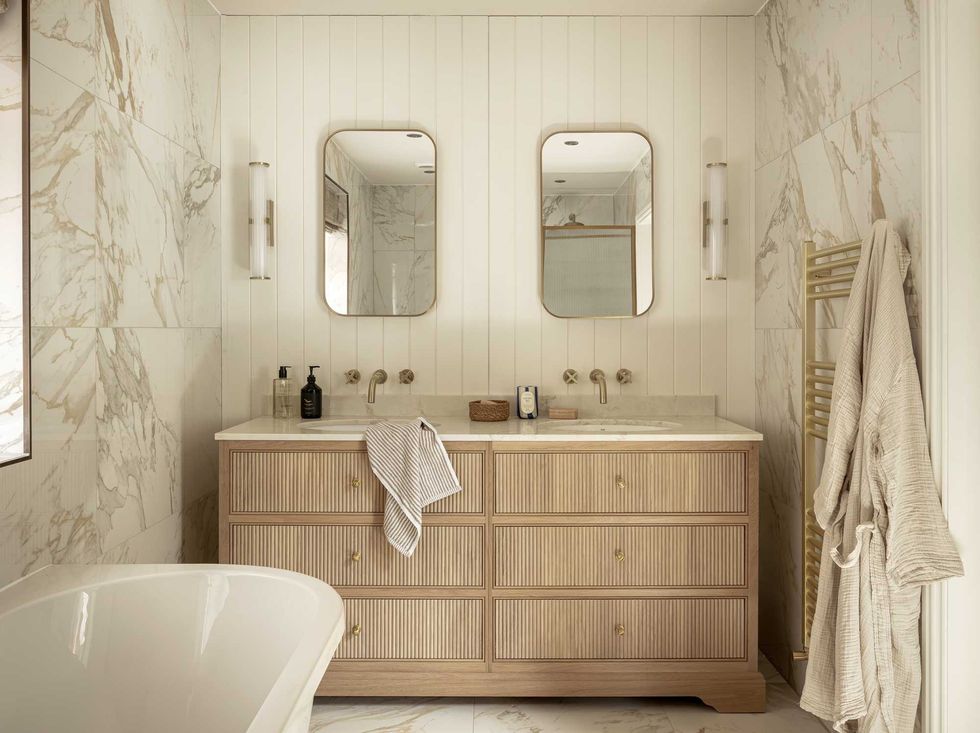
Homeowners and decorators aren't just making simple swaps, either. They're taking a holistic approach by "layering warm wood tones, earthy colors, multiple textures, and natural materials" throughout the home. This gives rooms "more depth and personality" than the previously in-style monotone interiors, Houzz said.
Bringing back personalization
Houzz predicted minimalist spaces would be on the way out in 2025, and they were correct. The golden era of minimalism has come to an end. Homeowners are instead creating true lived-in looks that blend "character, history, and personal storytelling" over spaces that look like they were plucked straight out of a magazine.
Examples include introducing vintage pieces into a modern space and mixing bold colors, patterns, and textures. Even the simplest accent choices can transform a room into something that feels "thoughtfully assembled over time," the report said.
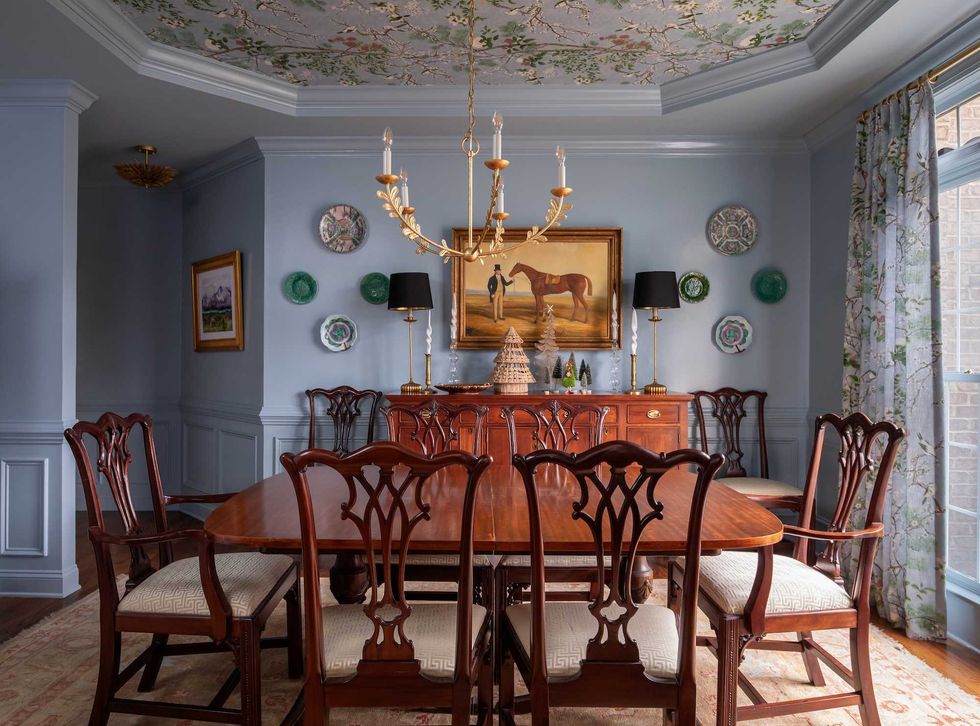 Home design enthusiasts are now prioritizing character and personality over perfection.Photo courtesy of Lavish

Photo by Teal Thomsen for Canyon Collected Design
Warm-toned spaces are very inviting for fall gatherings.


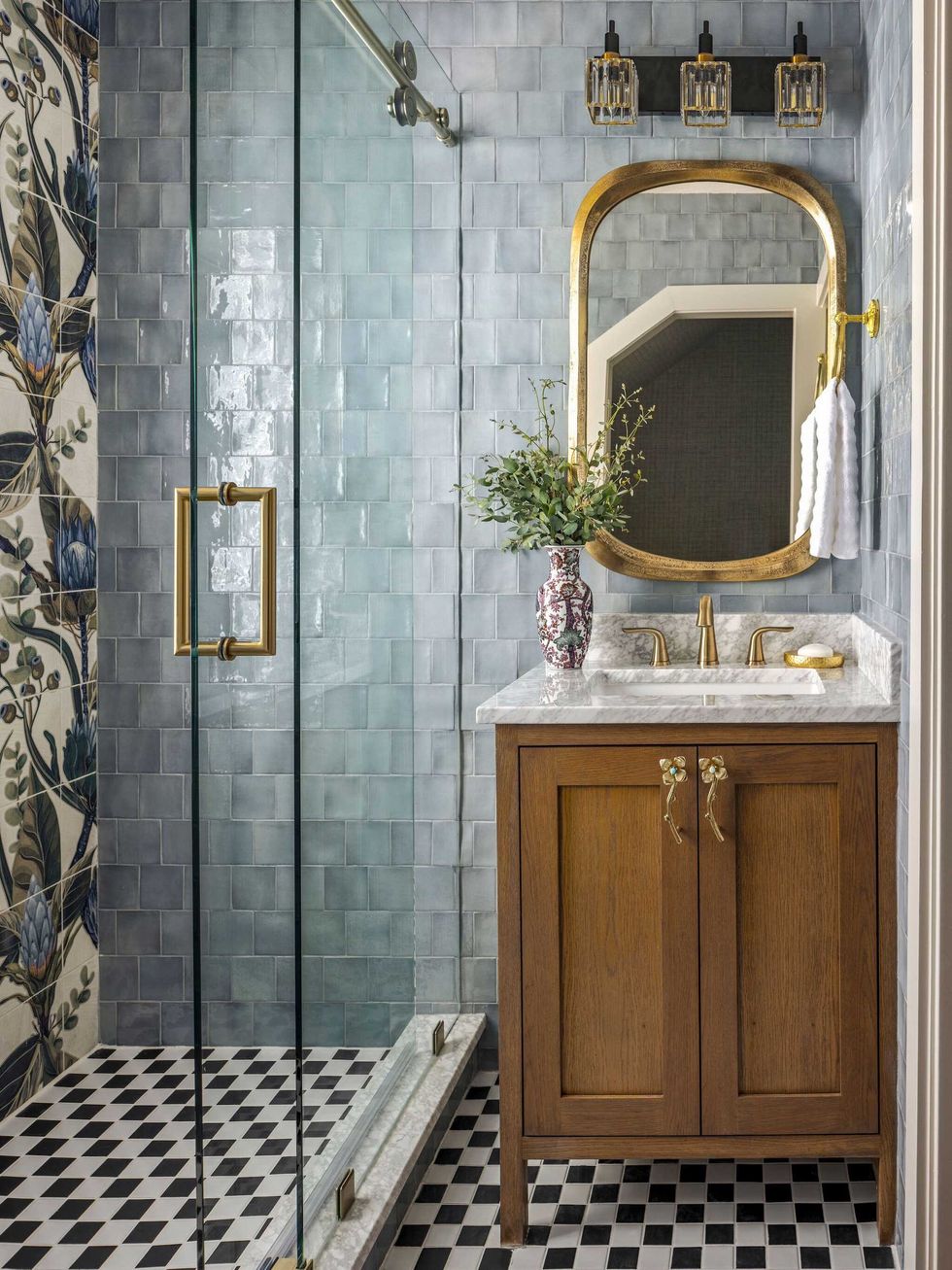

Other than vintage items, homeowners can add a sense of authenticity to their homes through "materials and details that carry a sense of history" like handmade tile, natural stone, aged metals, and original architectural elements.
This also means letting go of the idea of a home's "resale value" in favor of a personal sanctuary, according to the report.
"Pros describe clients asking for homes that feel deeply personal, whether it’s the layouts and materials they choose or the objects they display," Houzz said. "That shift is also giving homeowners more confidence to make individual choices, including unusual tile patterns, expressive wallpaper, distinctive furnishings and colors they love."
Embracing natural materials
Wood cabinets or stone countertops might be the first things that spring to mind under this umbrella, but we're diving deeper than that. Stone furniture pieces, like marble end tables, river stone sinks, and travertine coffee tables are rising in popularity, as are wood light fixtures and wood paneling.
"Pros are seeing more appreciation for the variation, texture, and imperfections that make natural materials feel authentic," the report said. "Handmade and high-variation tile, honed and leathered stone, plaster, and warm wood all contribute to a more tactile look."
Preparing for long-term livability
A separate Houzz report found two thirds of homeowners are planning to stay in their homes for more than a decade, if not longer, and less than half say they are currently living in their "forever home." As the cost of homeownership in Dallas rises, more residents are choosing to live in their current spaces longer, which means eventually renovating to accommodate for the future.
Besides adapting a home for aging in place, design professionals are seeing an uptick in popularity for other amenities to "make a home comfortable to navigate at any stage of life."
"ADUs and secondary suites are being designed to accommodate multigenerational living, extended guest stays, rental income, and future family needs," the report said. "Meanwhile, dedicated wellness amenities like saunas, cold plunges, and meditation spaces offer new ways for a home to support evolving well-being routines."