The people have spoken: When it comes to concert venues, Texas has some of the best. Yelp has compiled a list of the top 50 small and mid-size music venues across the U.S., based on number of reviews and overall star rating on its site, and the Lone Star State scores big with six.
But not just any six. Austin's Skylark Lounge is No. 1 overall, with opinionated concert-goers praising the old-school music club's dark and dingy "dive vibe," along with its pretty decent pizza.
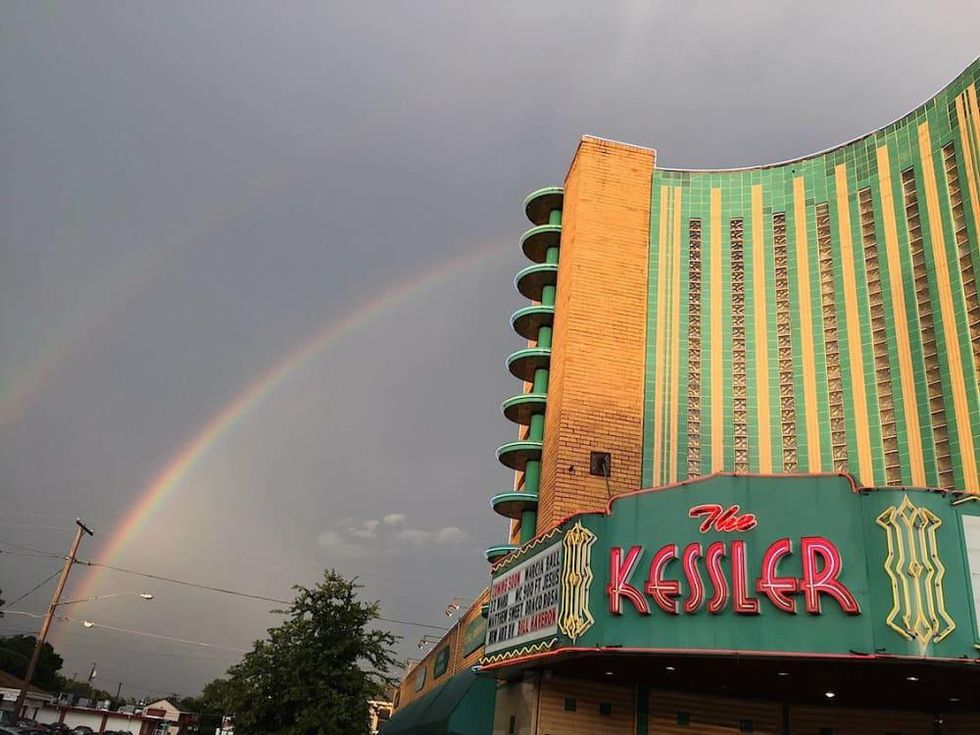
Oak Cliff's Kessler Theater nabs Dallas' first entry on the list with No. 11. Once owned by country star Gene Autry, the Kessler was hit hard by a tornado in 1957 and left vacant for decades, until Edwin Cabaness and Jeffrey Liles resurrected it in 2010.
Yelpers agree on the Kessler's intimate feel and good acoustics and — unusual for a concert venue — remarkably clean bathrooms. In what is perhaps the most "Dallas" review ever, one user points out the sometimes challenging parking situation but notes it "didn't affect us because we arrived and left in a limo."
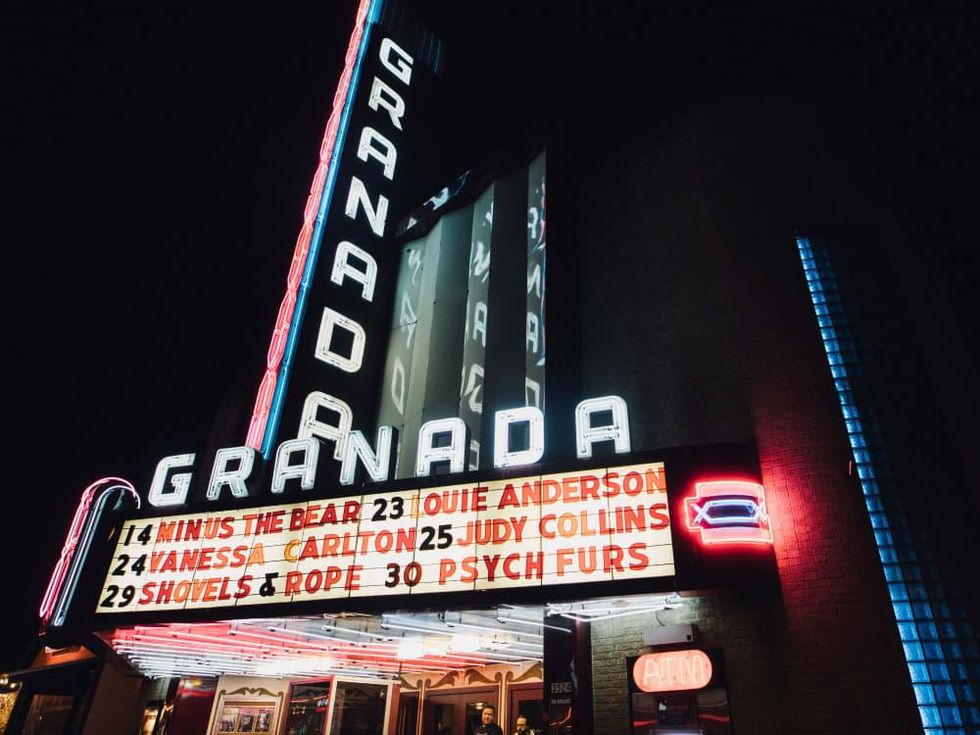
The Granada Theater on Lower Greenville is the other Dallas joint, landing at No. 42. Folks appreciate its casual standing-room policy for most concerts and the entertaining live Twitter feed that's projected between acts, while next-door neighbor Sundown at Granada is a huge plus for those looking for a nosh before or after the show.
Austin claims two more spots, with Cactus Cafe making it to No. 27 and The Little Longhorn Saloon barely squeaking in at No. 50.
"Texas' oldest dance hall," Gruene Hall in New Braunfels, is No. 38. It makes a major impression for its history (originally built in 1878 and largely unchanged since), lack of air conditioning (the side walls open up), and cash-only bar (history, y'all).
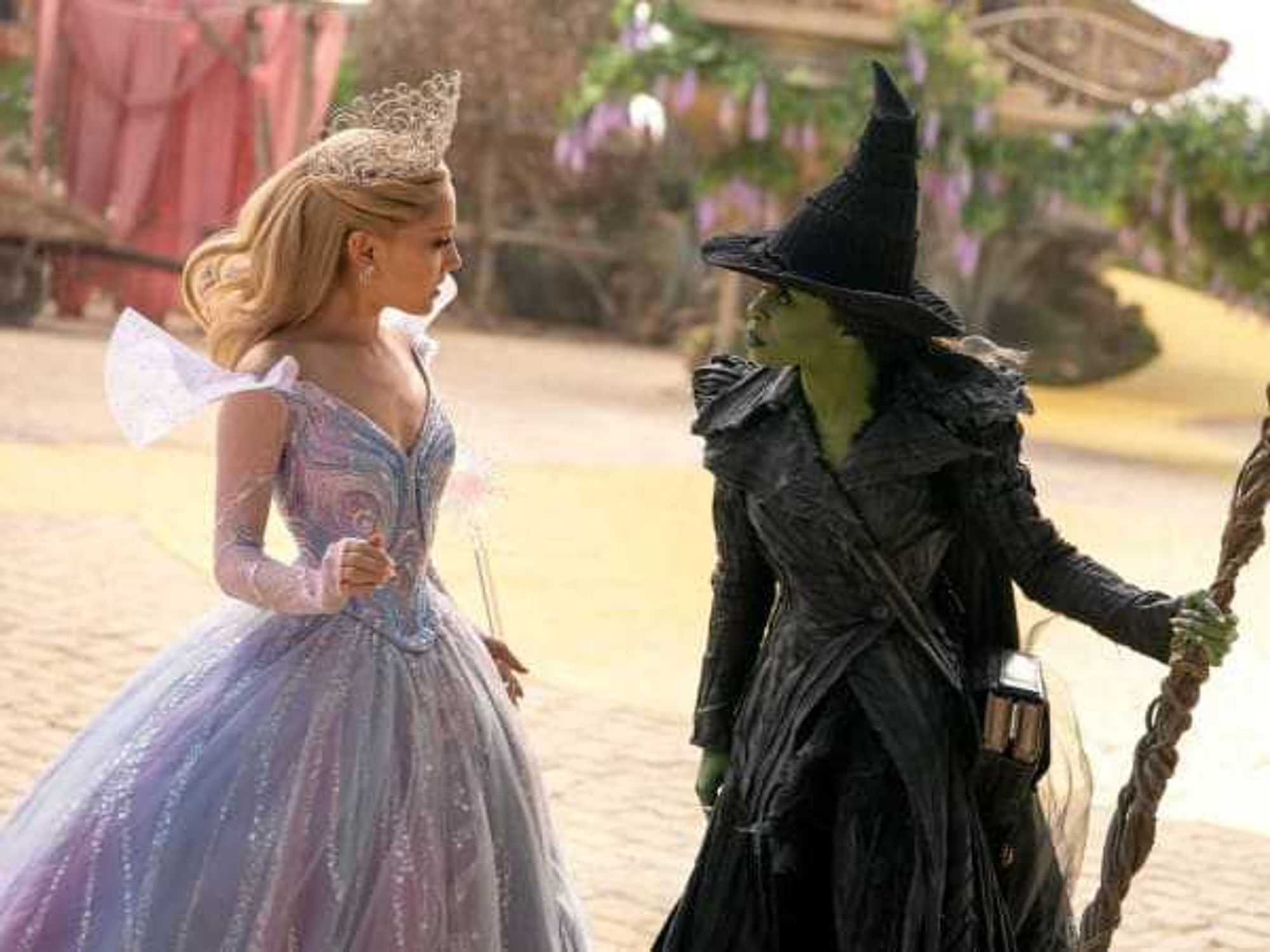
Ariana Grande and Cynthia Erivo in Wicked: For Good.
Splitting the film adaptation of the musical Wicked into two parts makes a certain kind of sense beyond the financial incentive of making fans pay for two films. Like most stage musicals, there’s a definitive break between the two acts, and it’s hard to resist going out on the high note of “Defying Gravity” for the first film. And expanding the story for the films puts the entire story at around 5 hours, much too long for one sitting.
However, separating them puts a spotlight on the strengths and weaknesses of each act of the musical, and it's a popular opinion that the second act is inferior to the first act. In the awkwardly-named Wicked: For Good, Elphaba (Cynthia Erivo) is firmly ensconced as the Wicked Witch of the West, striking fear in people across Oz. Meanwhile, Glinda (Ariana Grande) has ascended as the protector of the land’s citizens, even as she hides the fact that she doesn’t possess the powers that Elphaba does.
The story speeds through a number of different arcs, including Elphaba’s sister, Nessarose (Marissa Bode), becoming governor of Munchkinland; Glinda essentially forcing Fiyero (Jonathan Bailey) to commit to marrying her; even more bad revelations involving the Wizard of Oz (Jeff Goldblum) and Madame Morrible (Michelle Yeoh); and more. Hanging over all of it is the tenuous bond between Elphaba and Glinda, which is tested on multiple occasions.
Director John M. Chu, working from a script by original musical writer Winnie Holzman and Dana Fox, leads the way on the faithful adaptation that is perhaps a bit too faithful. Chu helmed the memorable adaptation of Lin-Manuel Miranda’s In the Heights that brought more life to an already lively production. He accomplished similar results in Wicked part one, but For Good often feels less than cinematic, with many scenes coming off as static and too much like a stage production.
The second film contains a lot of story movement, including the vague or explicit introduction of the four main characters from The Wizard of Oz, providing plenty of opportunity for creative staging or deeper storytelling. Instead, things just sort of happen, with Holzman and Fox failing to see the necessity of connecting story dots in a movie setting. With lots of extra time to work with (the run time is 2 hours and 17 minutes), giving more information about significant events shouldn’t have been an issue, and yet the filmmakers rarely give the audience that luxury.
The songs, as they should be, are the showcase of the film, and yet none of the sequences measure up to the ones in the first film. The rushed storylines make it difficult to connect with emotionally-resonant songs like “As Long As You’re Mine” and “No Good Deed.” “No Place Like Home” and “The Girl in the Bubble,” new songs created for the film for Elphaba and Glinda, respectively, are decent but lack power. “For Good” is the one everyone is waiting for, but it too fails to land properly.
Erivo and Grande certainly give it their all, and when they’re allowed to dig deep into their characters, they make as much of an impact as they did in the first film. Unfortunately, it’s nowhere near as often, and their characters’ bond suffers. Most of the other actors are done no favors by the whirlwind storytelling, but Goldblum still stands out in his various scenes.
Creating a whole film for the second act of Wicked gave Chu and his team a perfect chance to slow things down and give the events it contains extra meaning. Unfortunately, they turned For Good into something that feels less like an expansive movie and more like a slightly more interesting version of the stage production.
---
Wicked: For Good opens in theaters on November 21.