On April 17, the small town of West, Texas, was forever altered when a fertilizer plant exploded, killing more than a dozen and injuring so many more. Not surprisingly, however, through this tragedy we witnessed the powerful way in which a community — a country, really — unites to support those in need through emergency services, volunteer work and financial help.
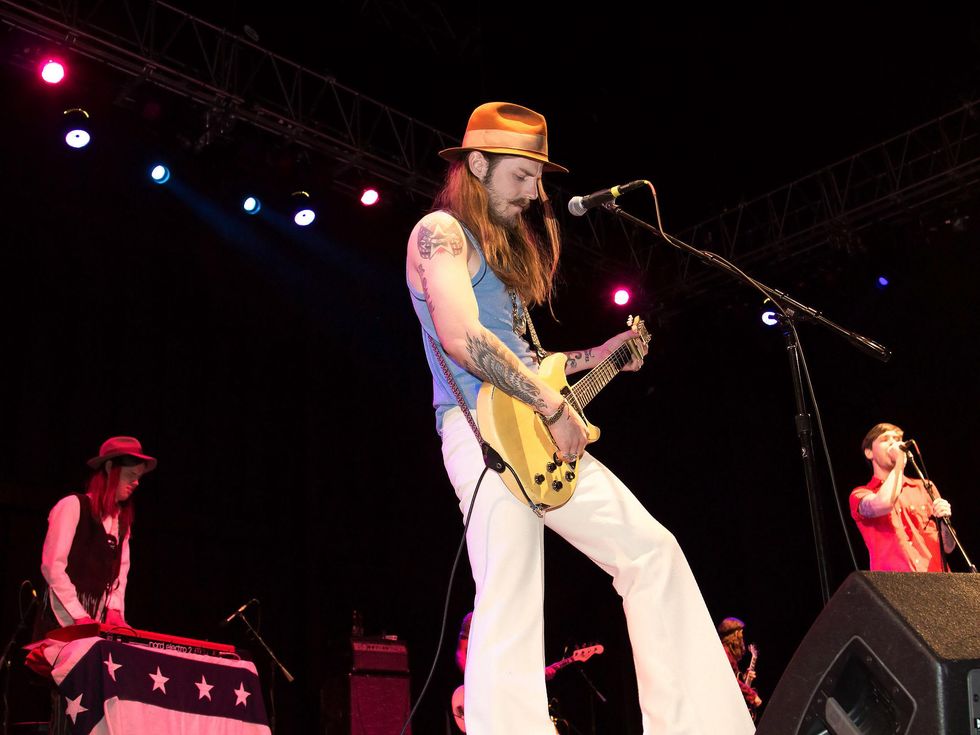
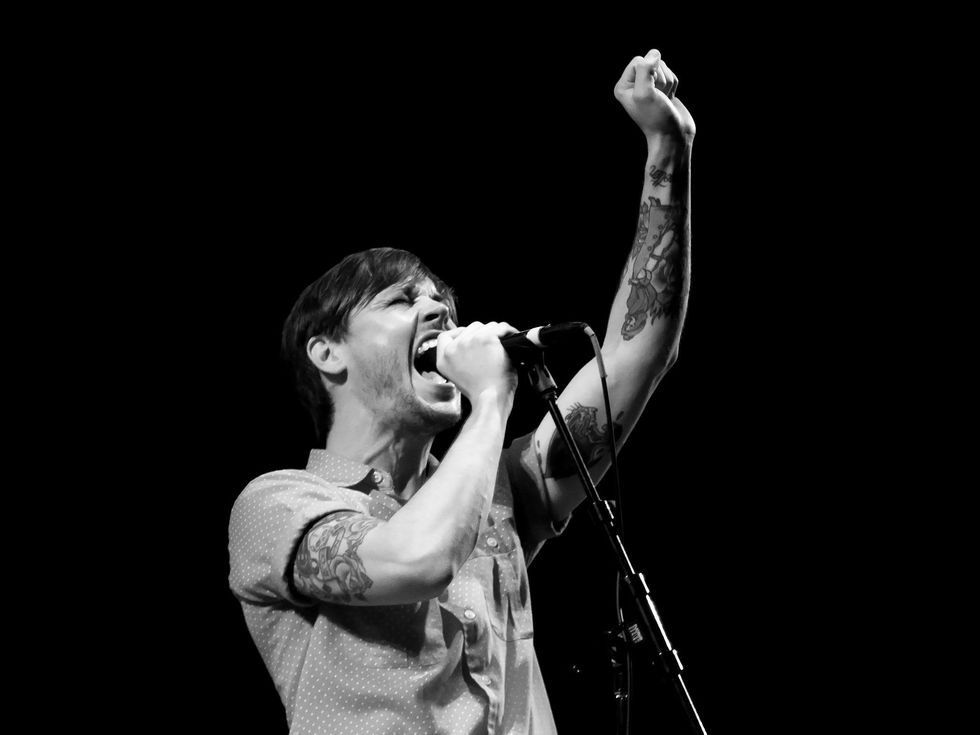
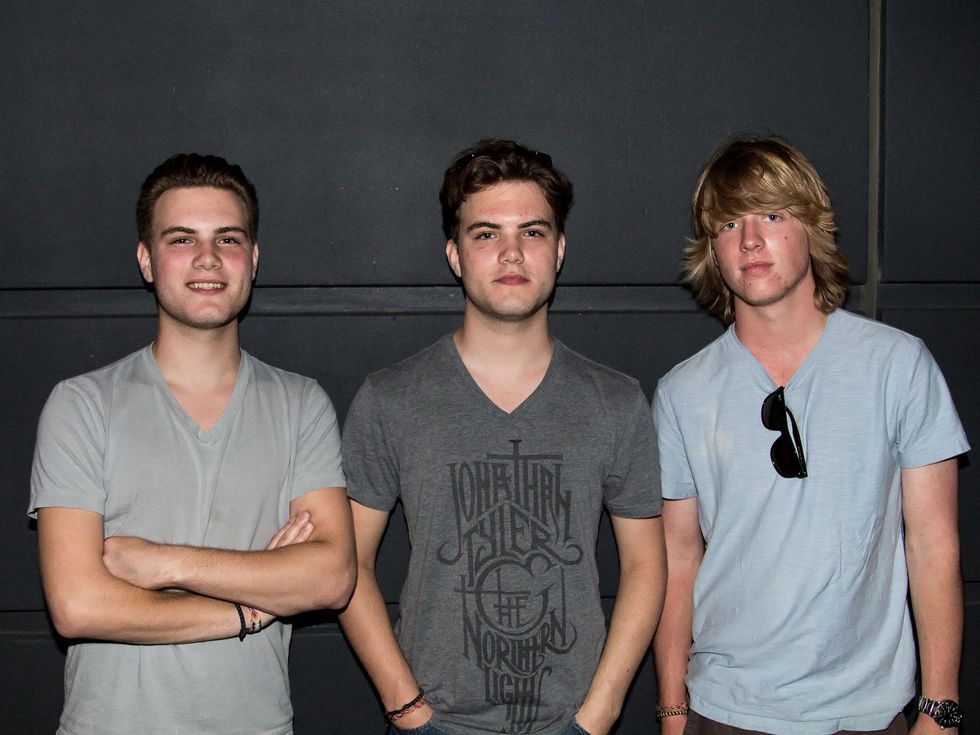
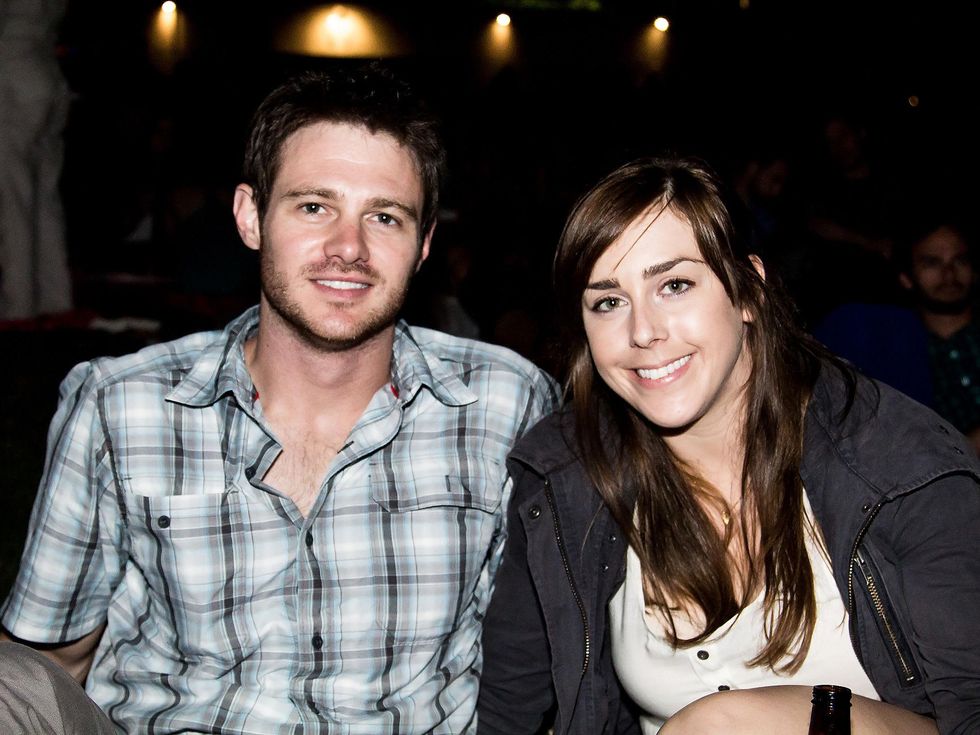
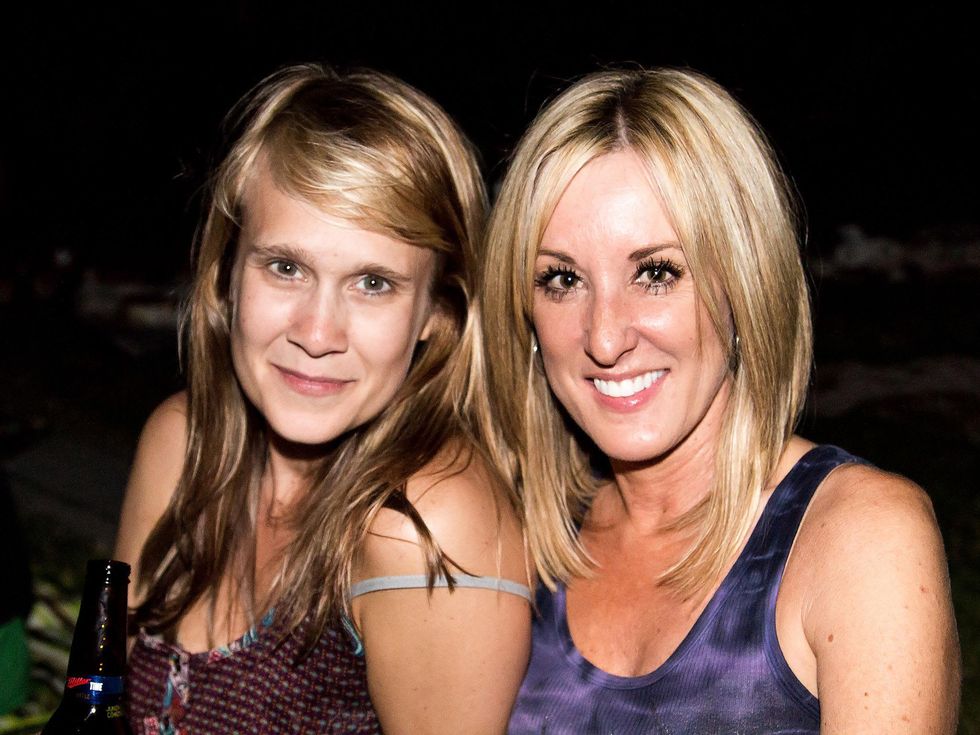
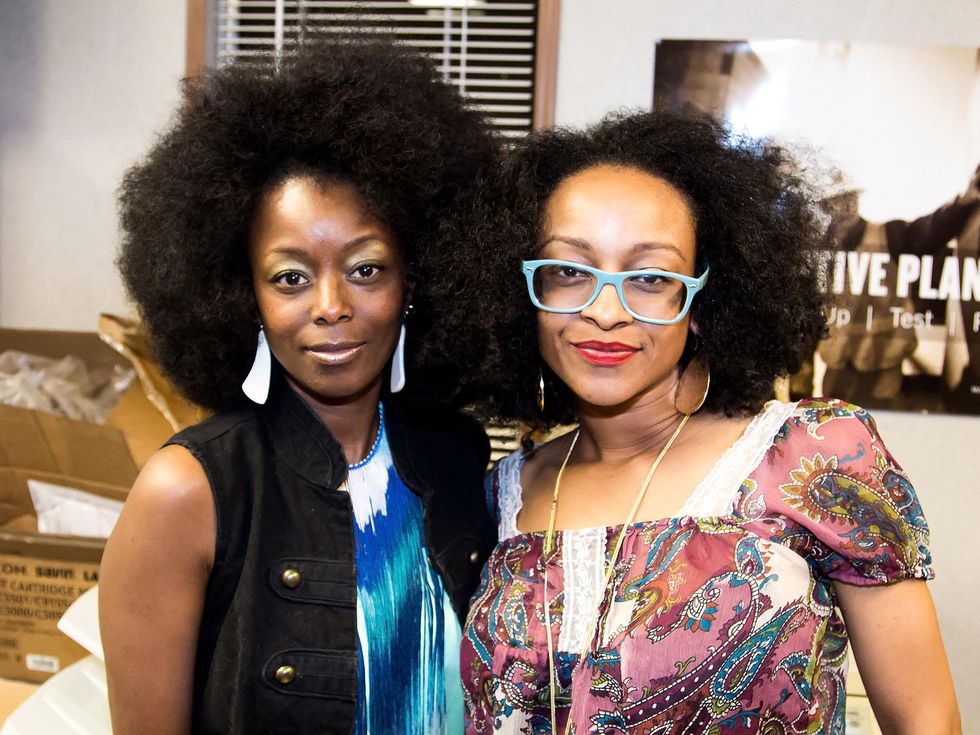
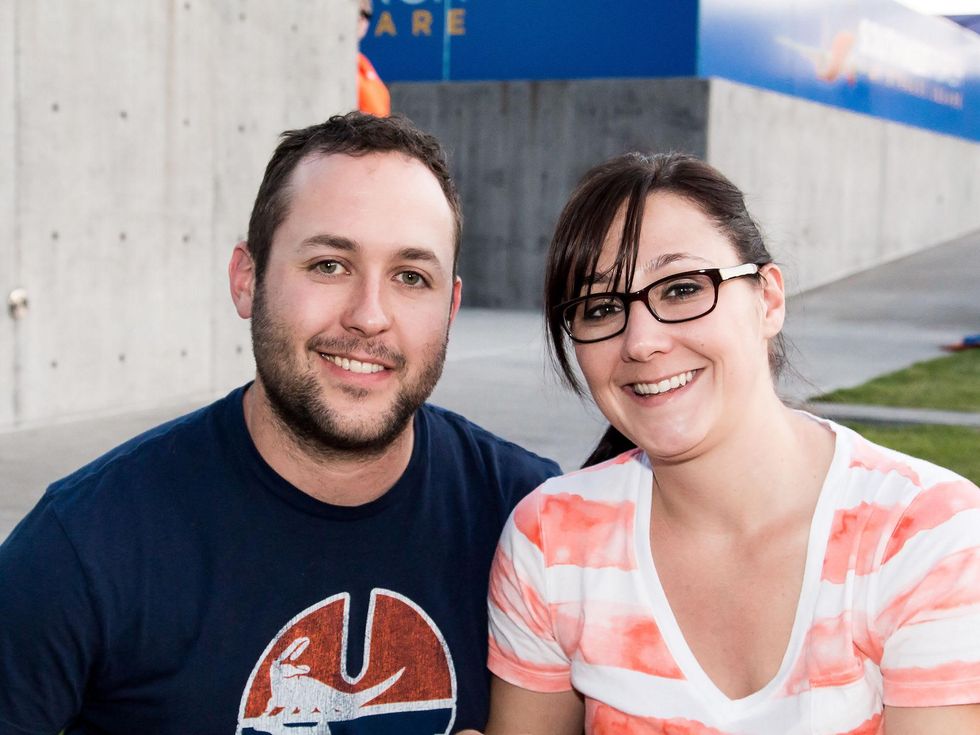
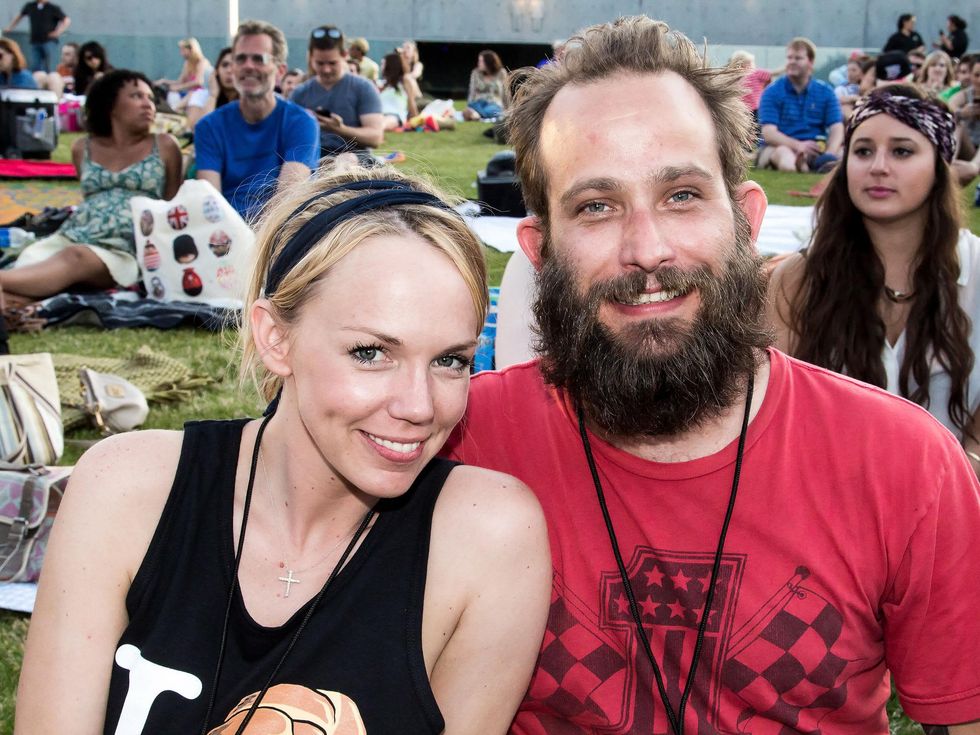
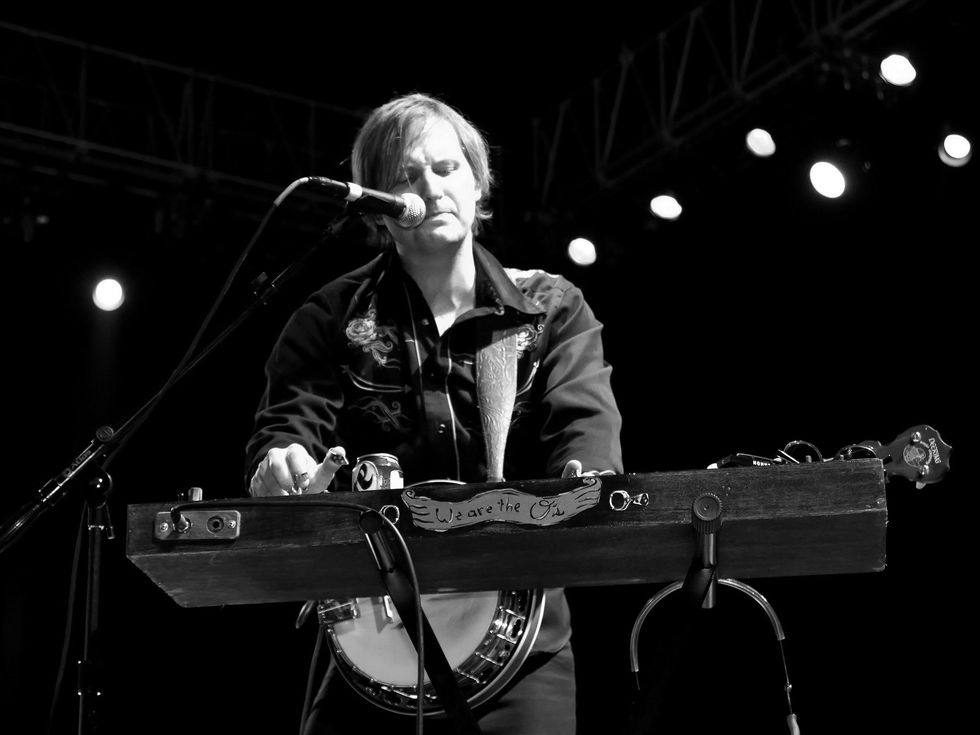
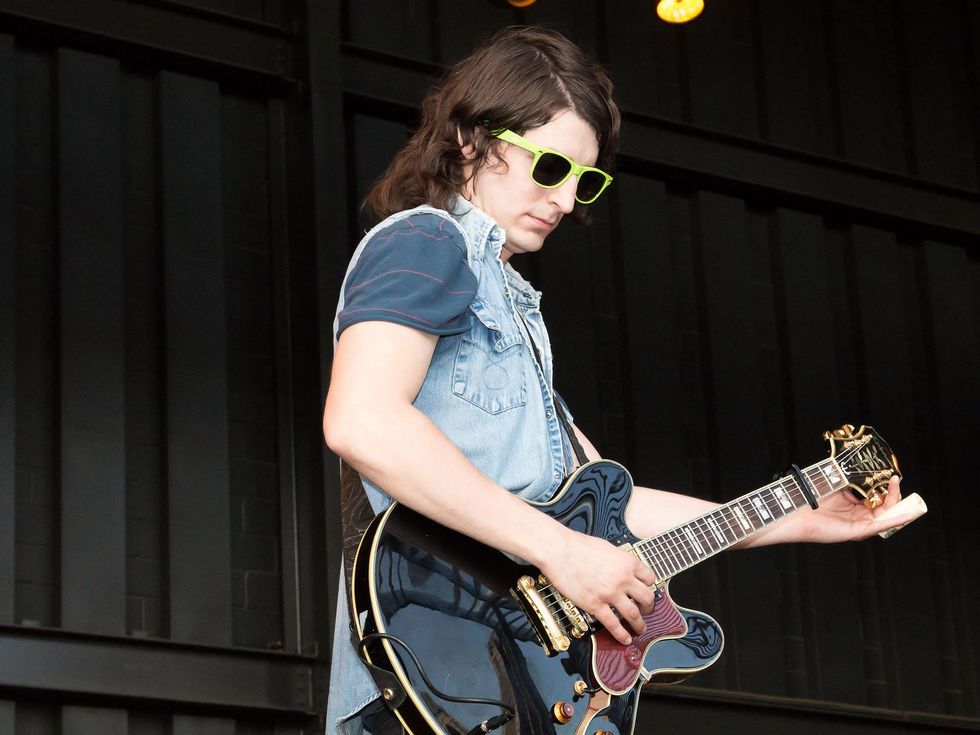
Just 11 days after the tragedy, the citizens of Dallas descended on Annette Strauss Square to support their neighbors to the south at the Texans for West benefit concert. Hundreds of music enthusiasts sprawled out on the lawn at the AT&T Performing Arts Center to catch Jonathan Tyler & The Northern Lights, Toadies lead singer Vaden Todd Lewis, The O's, Somebody's Darling and Goodnight Ned — all of whom donated their time.
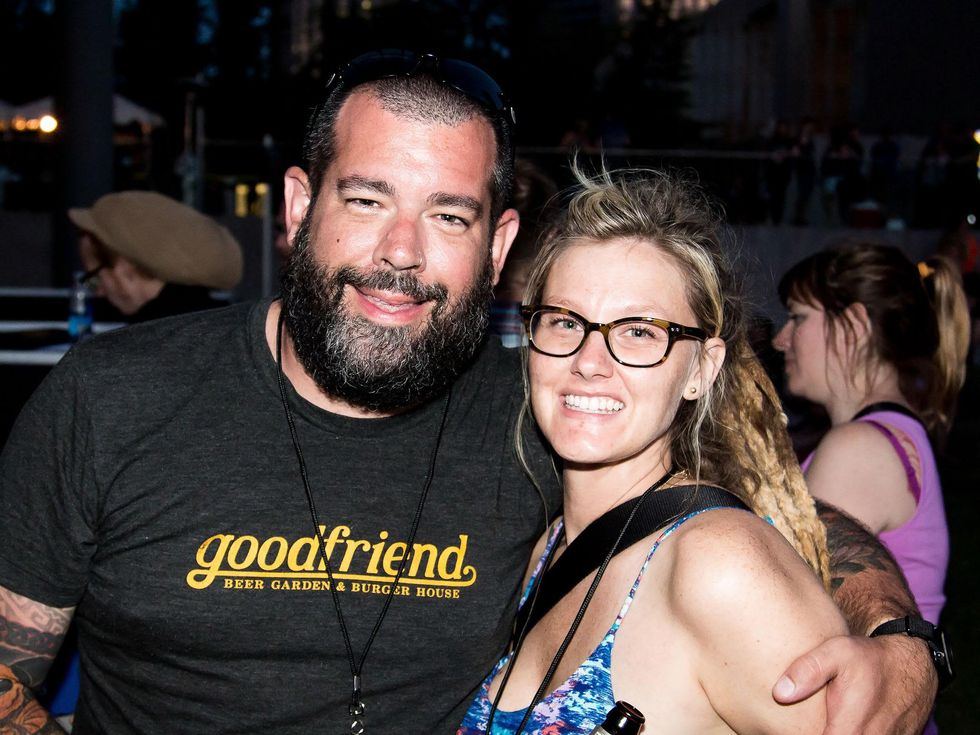
Credit goes to speedy event planners Matt Tobin, of Goodfriend Beer Garden & Burger House; Gavin Mulloy, of Granada Theater; Becki Howard,of AT&T Performing Arts Center; and major cash sponsor Regions Bank. The organizers also partnered with Communities Foundation of Texas (CFT) to create the Texans for West Fund. Concert proceeds will be deposited with CFT, which will distribute the money among nonprofits whose missions are to provide basic needs such as food, clothing, shelter and counseling services for those affected by the West disaster.
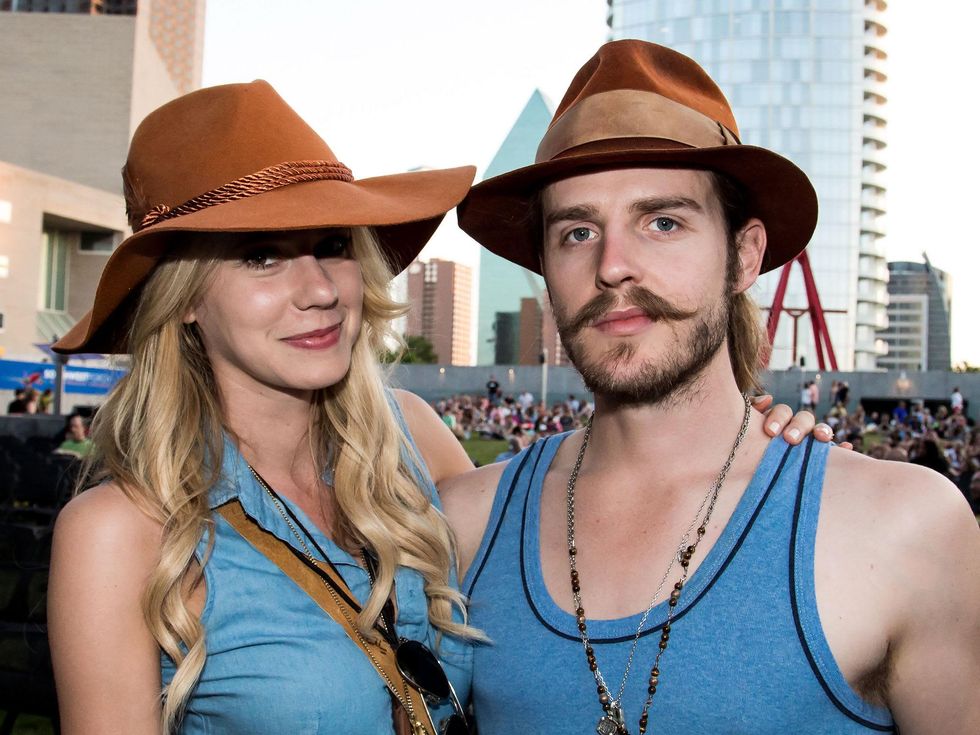
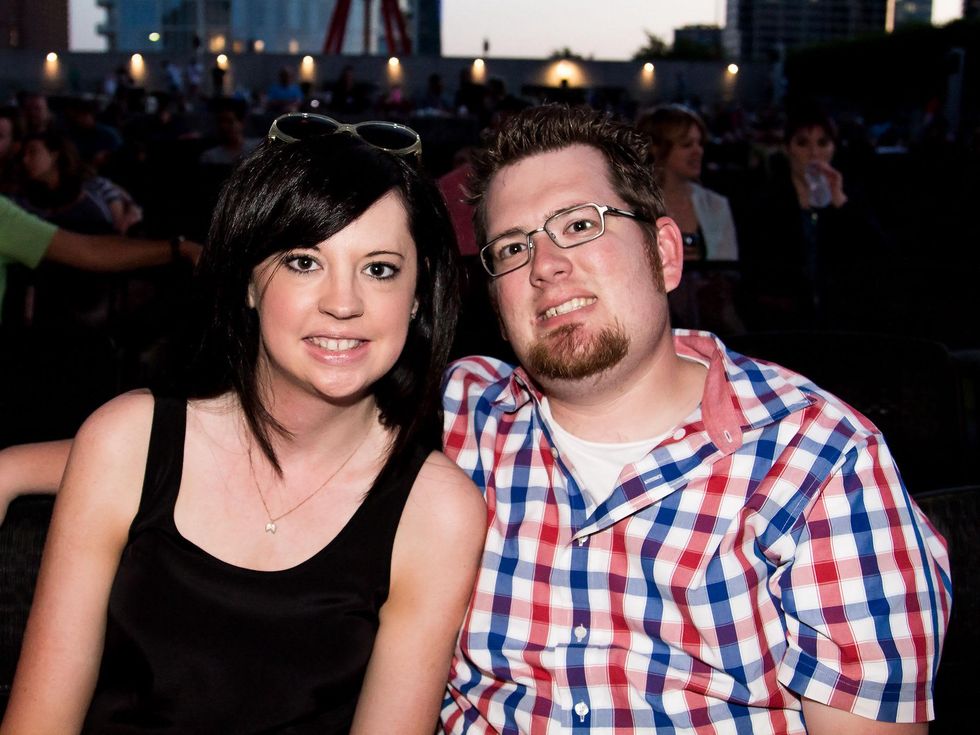
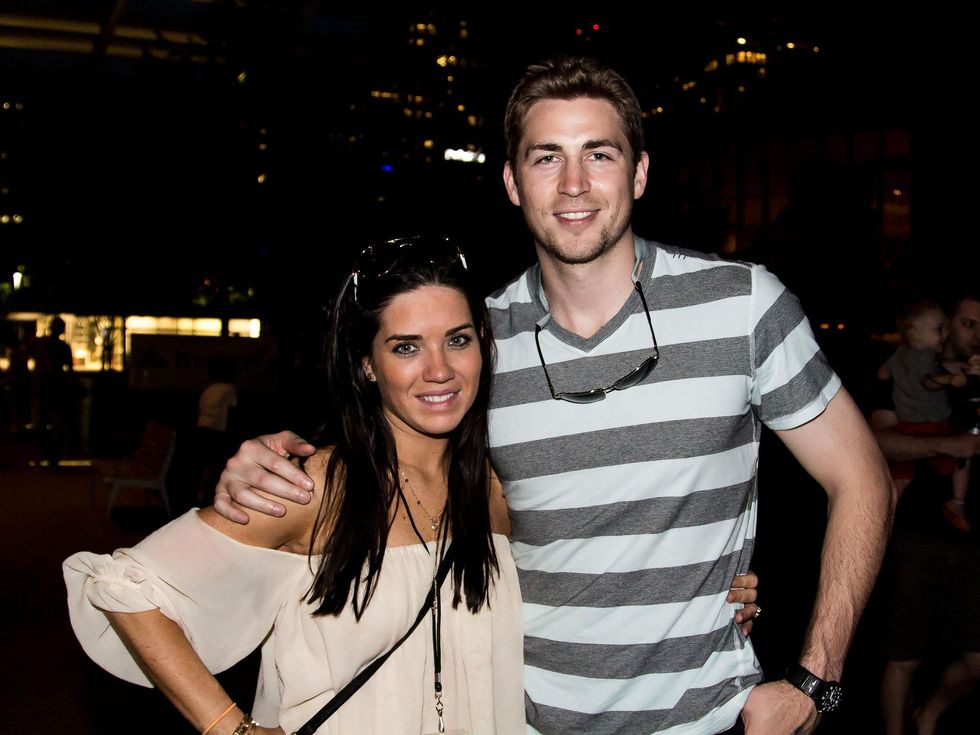
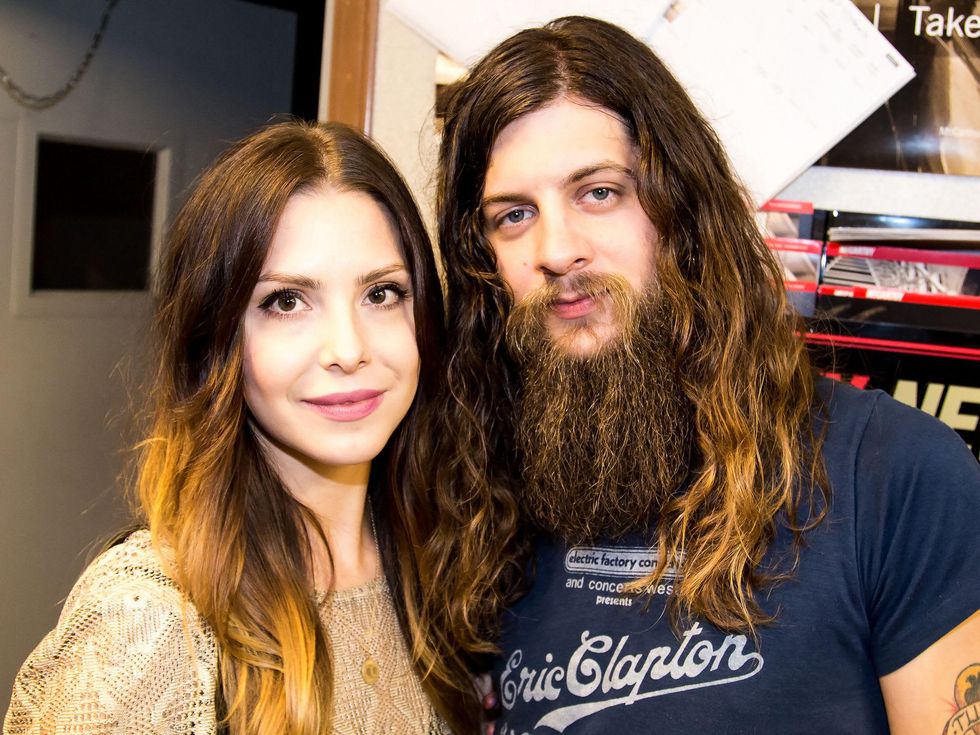
Spotted in the crowd of charitable concertgoers: Maxwell Smith, Nathan Yates, Katy Simmons, Sarah Hipp, Jeff Fryman, Billy Thomas, Zane Aveton, Rani Monson, Stephanie Bradshaw, Brandi Farris and Oliver Smith.
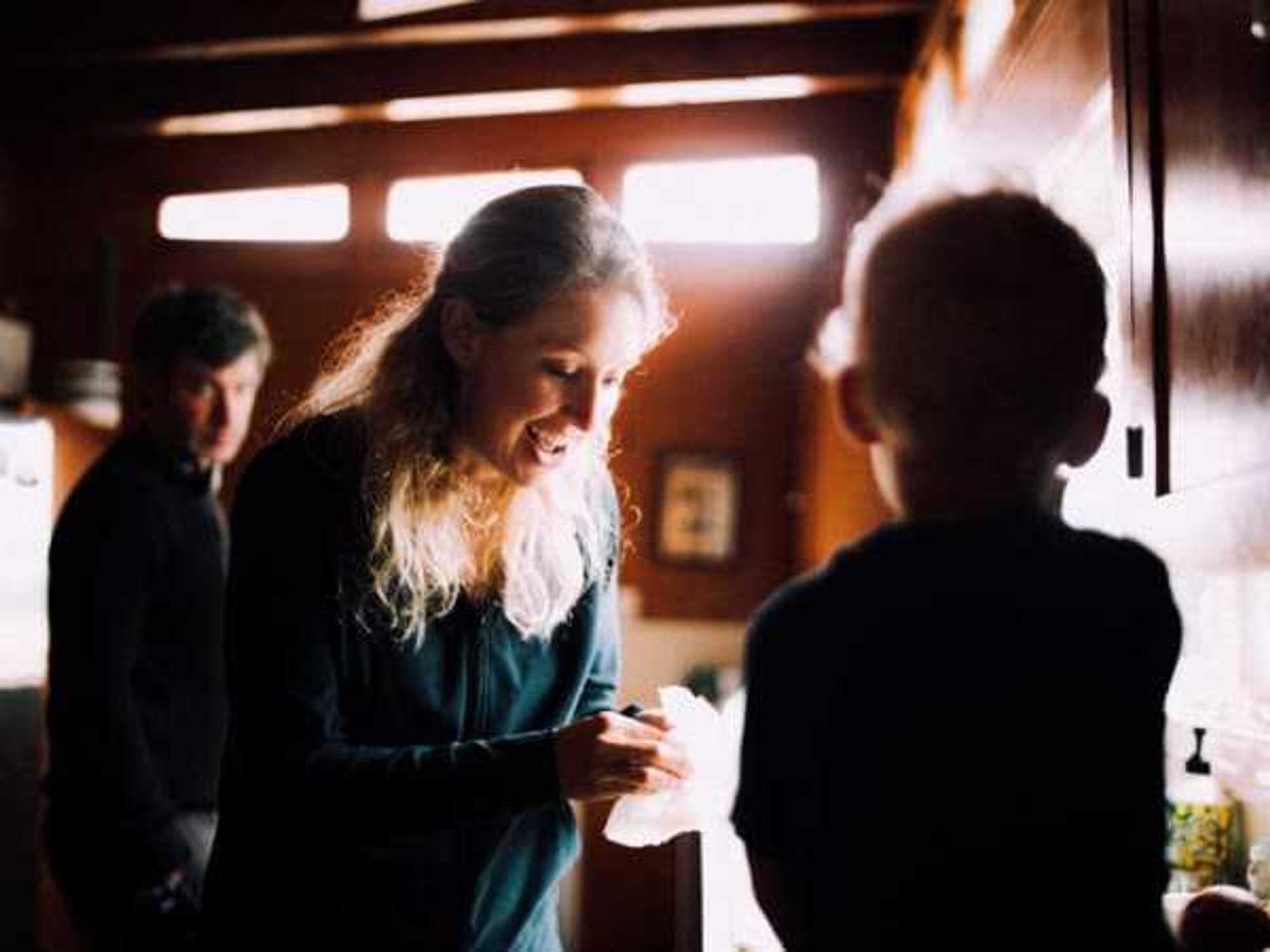
Nathan Fielder and Elizabeth Holmes in You Can See Everything.
Elizabeth Holmes faced one of the most public downfalls in recent history after she was accused of defrauding investors in her health technology company, Theranos. Her subsequent indictment and conviction drew the interest of many, including, it seems, comedian/actor/filmmaker Nathan Fielder. Fielder somehow convinced Holmes and her husband, Billy Evans, to make a documentary about her final days of freedom, called You Can See Everything.
It’s not immediately clear why Fielder — who only has one previous feature-length documentary to his credit — is interested in profiling Holmes, but the approach that he and co-director Lance Oppenheim (Primetime) take is one that puts Fielder in the spotlight as much as her or Evans. Fielder looms over the couple — sometimes literally, sometimes from afar — as they care for their children, make meals, try to re-establish business relationships, and prepare for Holmes’ prison sentence, which is due to start about a month after the film begins in 2023.
Fielder quizzes Holmes and Evans about predictable subjects — such as how Theranos worked, her relationship with COO Sunny Balwani, and her conviction — and ones that are slightly off-kilter, including the miniseries The Dropout, which dramatized Holmes’ rise and fall. He is met with seeming openness by both of them — the title of the movie is uttered by Holmes at one point — but there are times where their idea of transparency doesn’t jibe with Fielder’s expectations.
Through it all, the quirky reputation that Fielder has from TV shows like Nathan for You, The Curse, and The Rehearsal colors his participation, as well. He appears sincere, if surprisingly intense, in his questioning, but there are more than a few moments where it’s fair to wonder if the whole thing is an act of performance art. That suspicion grows in the second half of the nearly three-hour film as Fielder and Oppenheim go down roads that stretch the definition of what a documentary is or can be.
The film is utterly fascinating as the filmmakers go on what seems to be a full-on exploration of the meaning of truth. Holmes and Evans, either intentionally or unintentionally, carry on conversations with Fielder with wide-open, unblinking eyes, something that conveys honesty and creepiness in equal measures. Fielder meets them with squinting expressions, looking like he’s trying to determine how candid they’re actually being.
One of the biggest things the film reveals (or does it?) is that — if she’s not a sociopath — Holmes might be someone who’s either oblivious or naive. As cryptic or strange as she can be in words and actions, Evans is even more so, and as the film progresses it’s him whose motives and ideas are called into question. Control over the narrative of the film wobbles back-and-forth between Fielder, Holmes, and Evans, and even at the end it’s unclear whose perspective has truly won out.
There is no way to accurately get across what it’s like to watch You Can See Everything for the first time. The motives of everyone involved are up in the air, resulting in a roller coaster ride that’s full of astonishment, laughs, and a number of surprises. It’s an audacious film that can’t be categorized, one that will challenge the thinking of voters when it comes time for awards season.
---
You Can See Everything opens in theaters on October 16.