

Bluebonnet bounty across Texas may be a little harder to spot this spring after a dry fall and mild winter, particularly across the Hill Country.
The 2026 wildflower bloom season is expected to vary widely across Texas, shaped by uneven rainfall, continuing drought conditions, and local microclimates that influence where seeds germinate and how wildflowers thrive, according to the experts at the Lady Bird Johnson Wildflower Center in Austin. This forecast is similar to the 2025 season projection.
Across the Hill Country, from Austin to San Antonio - considered bluebonnet mecca each spring - the recent fall and winter weather helps explain why bluebonnets, in particular, may be sparse. Much of Central Texas saw a notably dry fall, followed by a mild winter with limited rainfall. The fall is the time when many wildflower seeds, and especially bluebonnets, germinate.
Bluebonnets rely heavily on fall moisture to sprout and winter rain to grow before blooming in spring, according to the Wildflower Center. When conditions are dry, fewer seedlings emerge, and roadside displays can appear patchier than usual.
“We may just have to look a little harder for bluebonnets on the side of the road this year in many locales,” said Andrea DeLong-Amaya, horticulture educator at the Wildflower Center, in a press release.
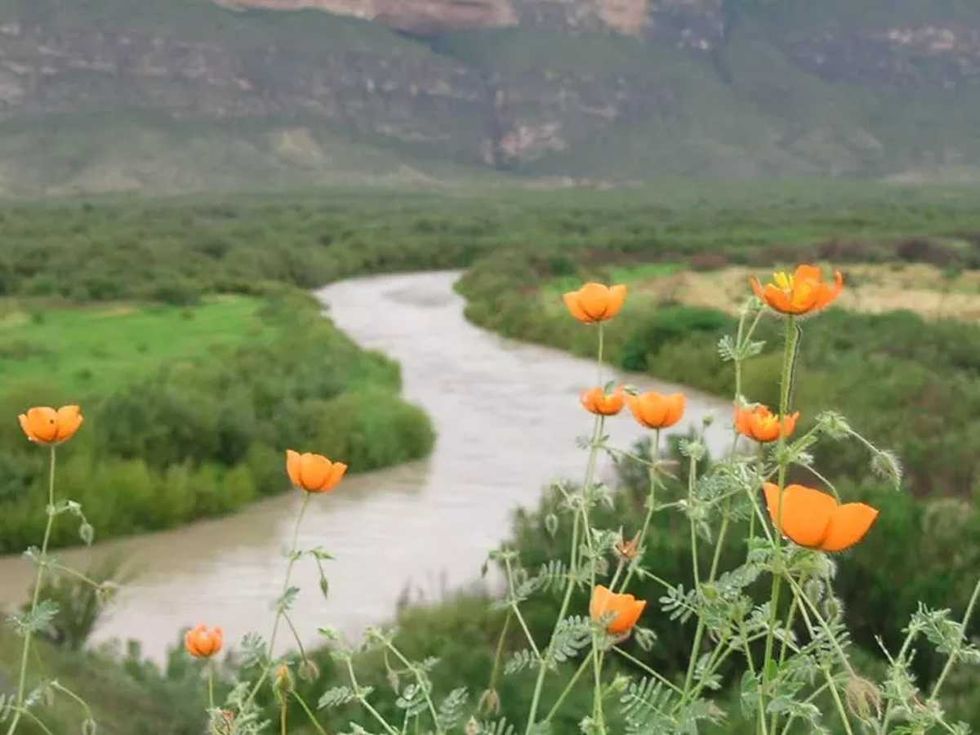 Caltrops on the Rio Grande in Big Bend National Park.Photo courtesy of the U.S. National Park Service
Central Texas, in particular, has the native prairie ecosystem where hardy native flower species can thrive. Add to that thin, rocky limestone soil and the state's long-established roadside management practices, and it's no surprise that drivers see an abundance of bluebonnets, Indian paintbrush, and pink evening primrose emerge and thrive during the spring.
The lack of rain in early spring does not mean a paltry wildflower season. Bluebonnets dominate early spring in areas around the state, then retreat. With subsequent solid rainfall, later wildflowers such as firewheel, purple horsemint, and black-eyed Susans will take over as the wildflower season progresses into the summer, according to the Wildflower Center.
“If early spring bloomers are a little more sparse, later spring and summer flowers have more room to flourish,” DeLong-Amaya said.
Around the state
Wildflower displays can vary dramatically even within short distances. Small environmental differences, including soil moisture, shade cover, and pavement heat, influence which seeds will germinate and how flowers thrive. The Texas Department of Transportation, which has sown wildflower in highway medians since the 1930s, provides a map for the best wildflower weeks across the various regions in the state.
Across North Texas prairies, fields of Drummond phlox and prairie verbena often appear alongside bluebonnets, particularly around the Ennis Bluebonnet Trails south of Dallas.
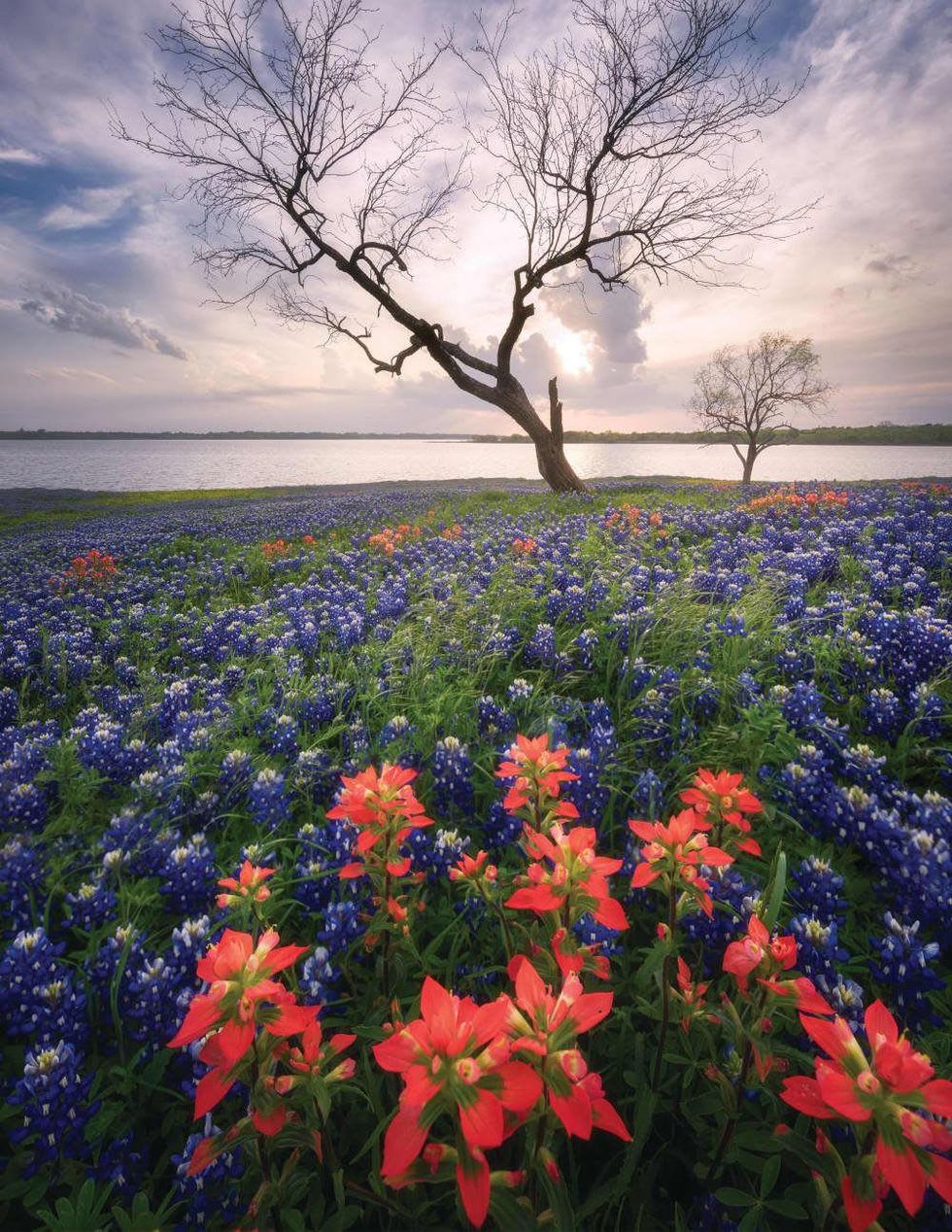 Ennis Bluebonnet Trails will be open April 1-30, 2026. Photo courtesy of Visit Ennis
The organizers of the Ennis Bluebonnet Trails Festival posted on Facebook on February 27, "Ennis Bluebonnet season is officially on the way! We are already monitoring the trails, and these sweet little baby bluebonnet plants are starting to pop up right on schedule. Bluebonnets plants start emerging as these green rosettes in late winter and typically bloom throughout the month of April here in Ennis."
Ennis bluebonnets typically peak around the second to third week in April. This year's Ennis Bluebonnet Trails will be open April 1-30, and the Festival will take place April 17-19.
In West Texas and the Big Bend region, desert wildflowers such as Mexican gold poppies and desert marigolds can produce dramatic blooms after winter rains.
Coastal prairies along the Gulf Coast can produce sweeping displays of yellow coreopsis and red Indian blanket wildflowers in spring.
Even in dry years, experts say Texans can still expect to find wildflowers somewhere across the state.
“I’ve never seen a year where nothing is blooming,” DeLong-Amaya said. “That just doesn’t happen.”
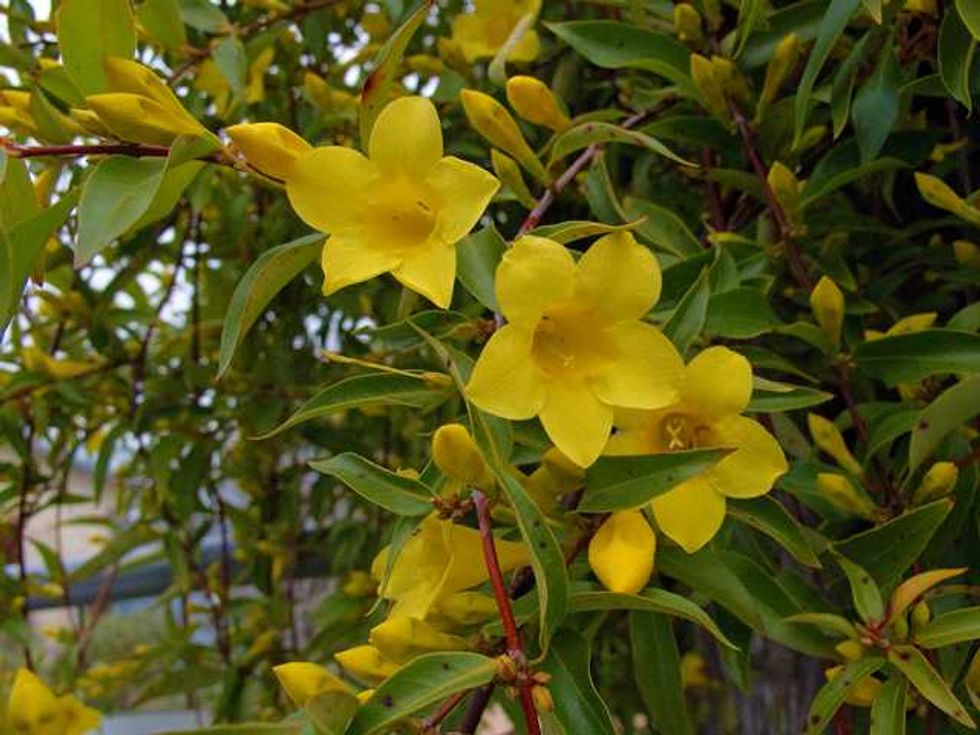 The Carolina jessamine is the Wildflower Center's 2026 Wildflower of the year.Photo by Stephanie Brundage via the Native Plant Information Network
The Wildflower Center also named Carolina jessamine (Gelsemium sempervirens) as its 2026 Wildflower of the Year. The evergreen vine produces fragrant yellow trumpet-shaped flowers and can climb along fences or trees.

 Tacos from Versus at Hotel MockingbirdHotel Mockingbird