On April 17, the small town of West, Texas, was forever altered when a fertilizer plant exploded, killing more than a dozen and injuring so many more. Not surprisingly, however, through this tragedy we witnessed the powerful way in which a community — a country, really — unites to support those in need through emergency services, volunteer work and financial help.
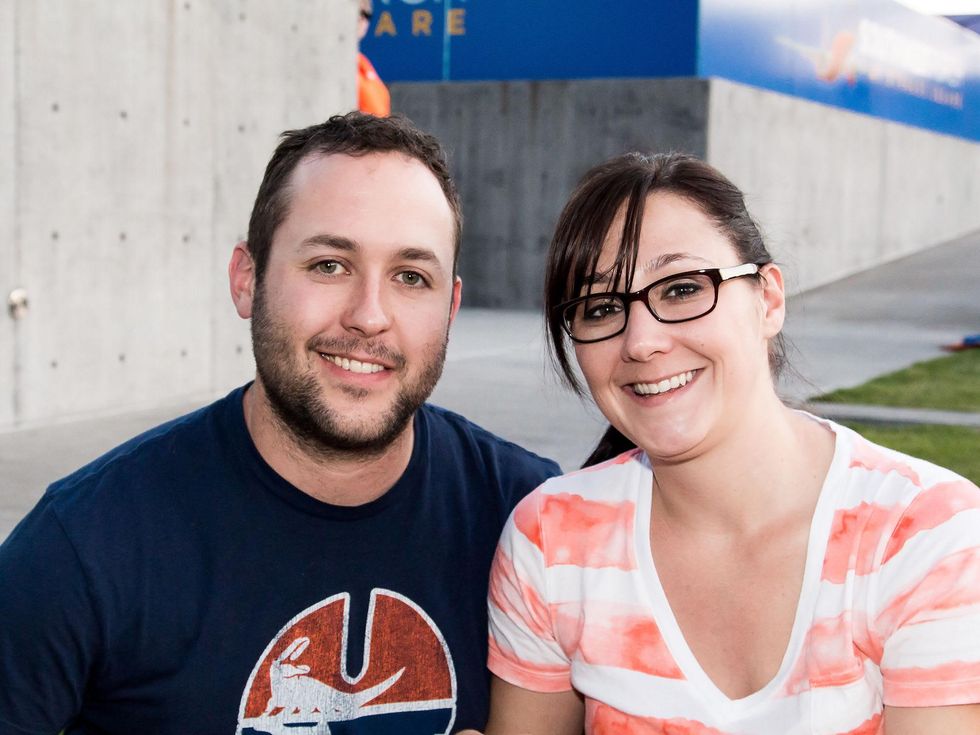
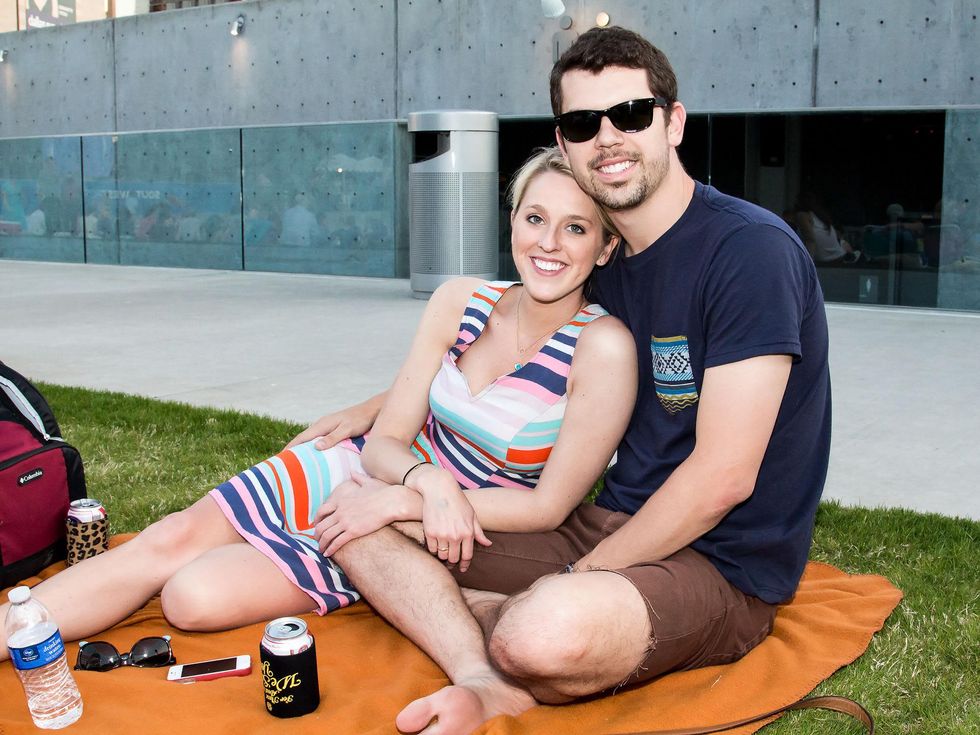
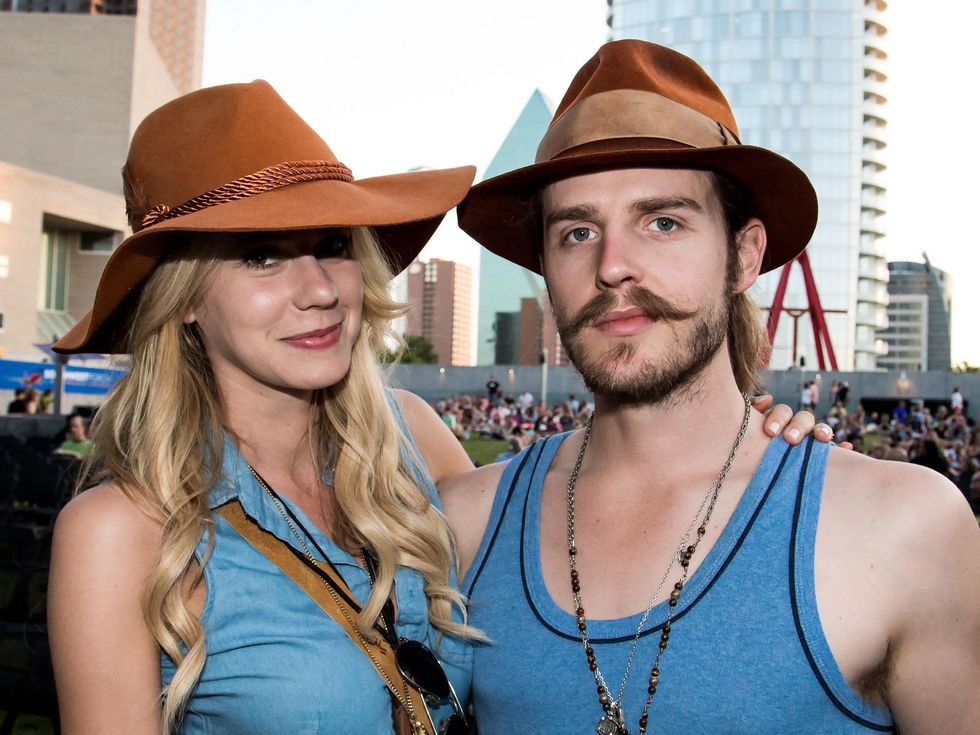
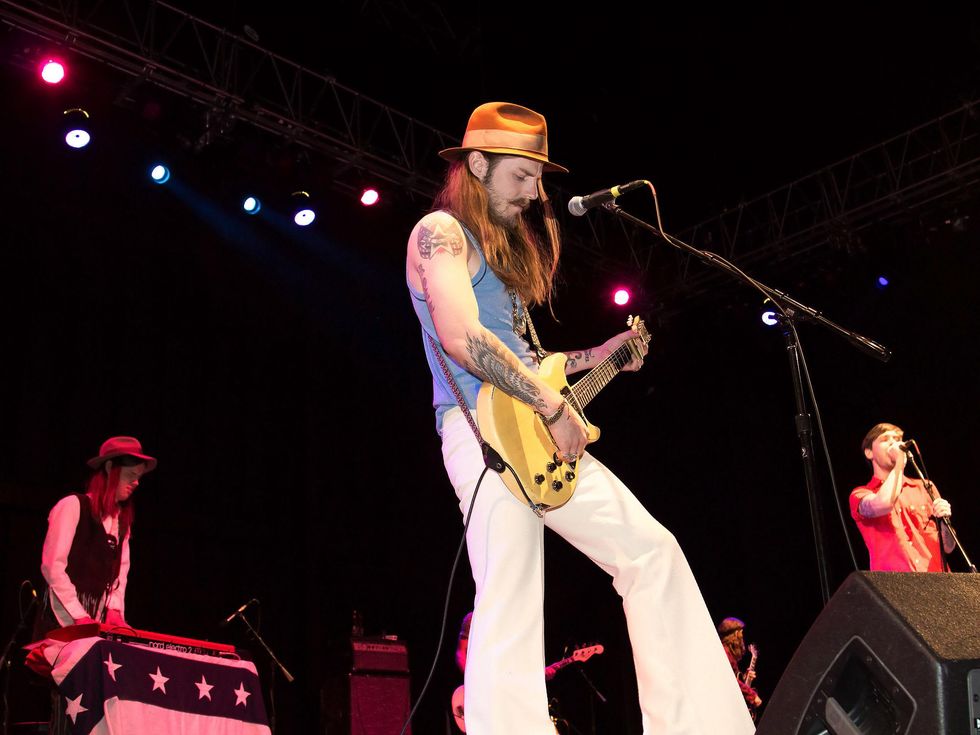
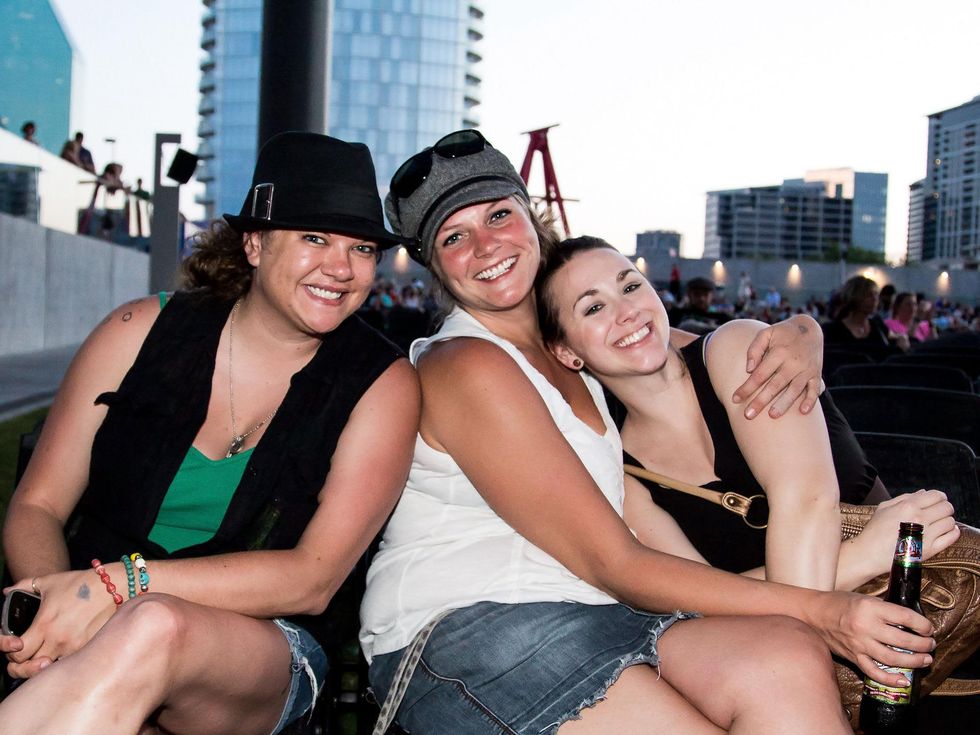
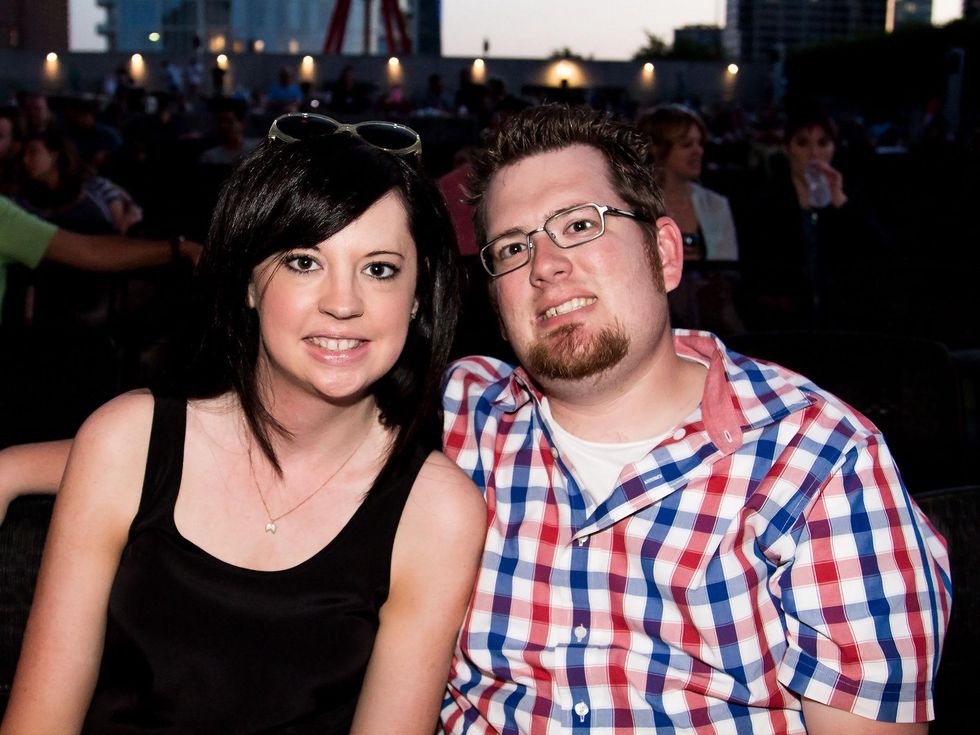
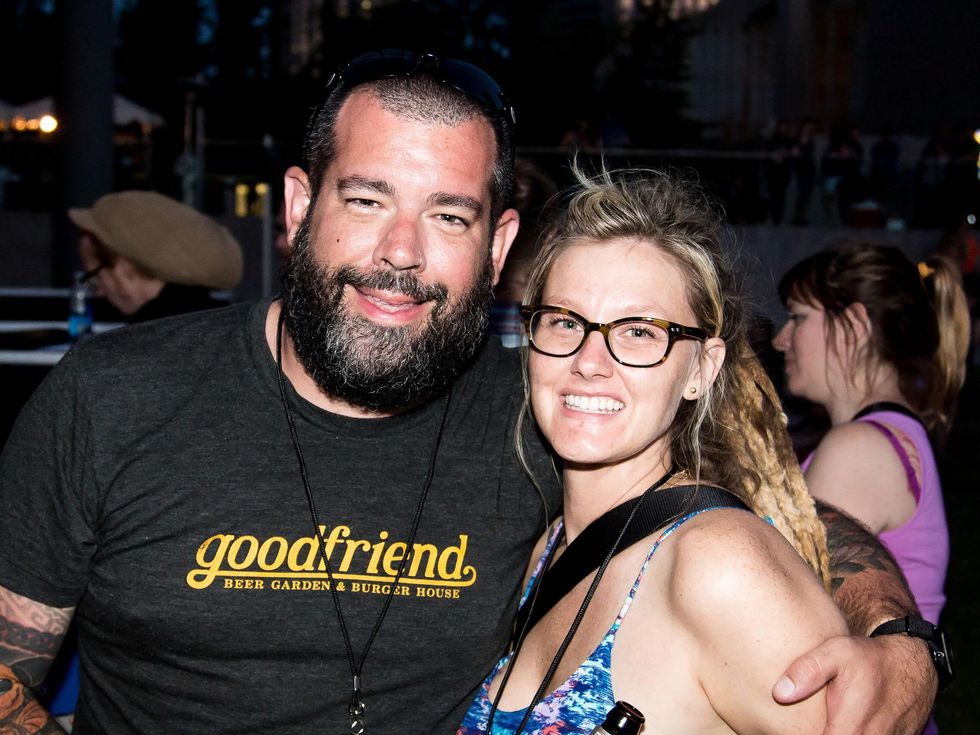
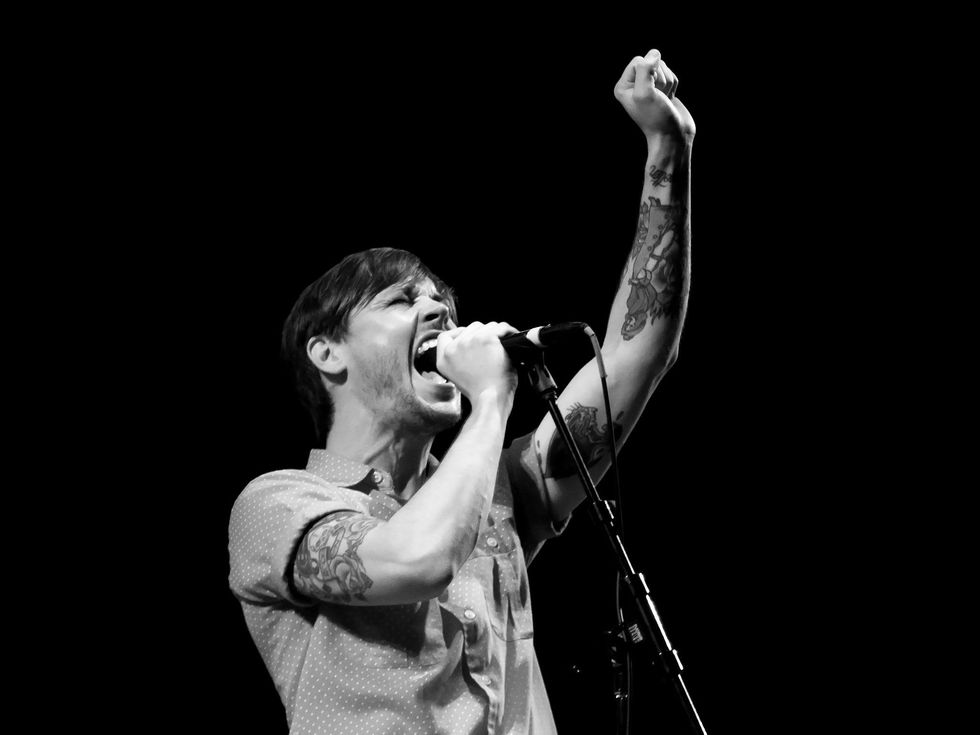
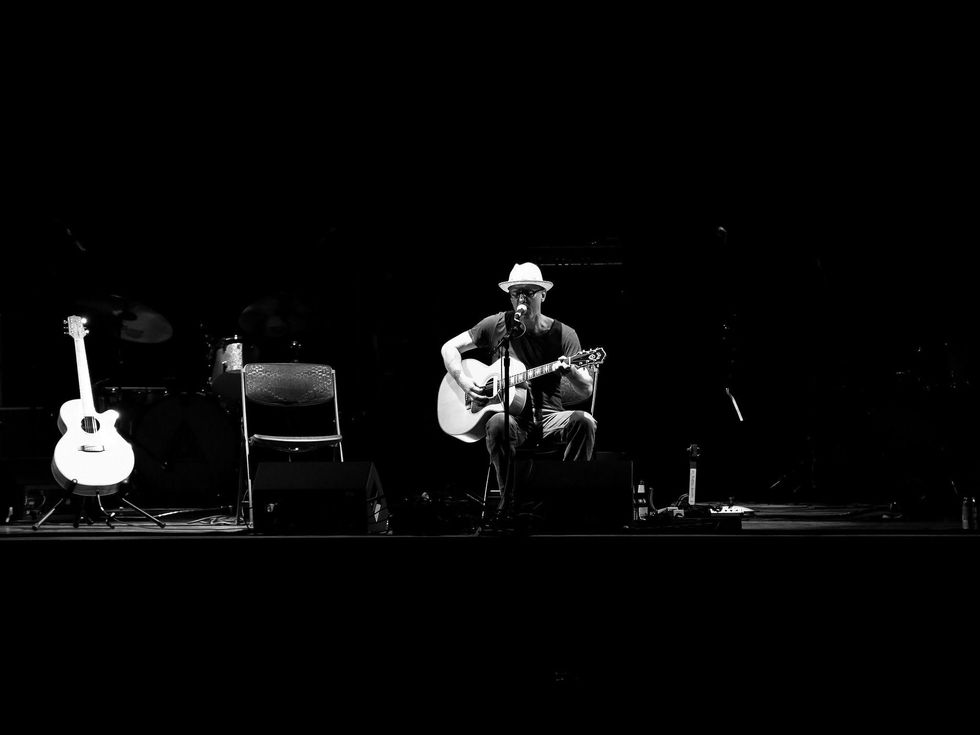
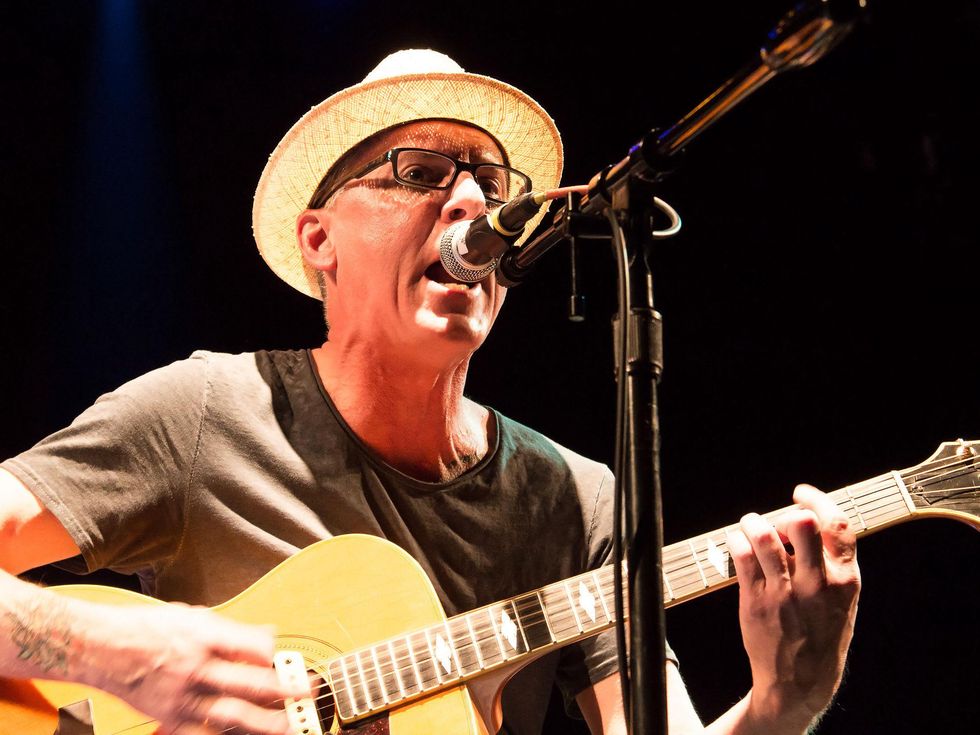
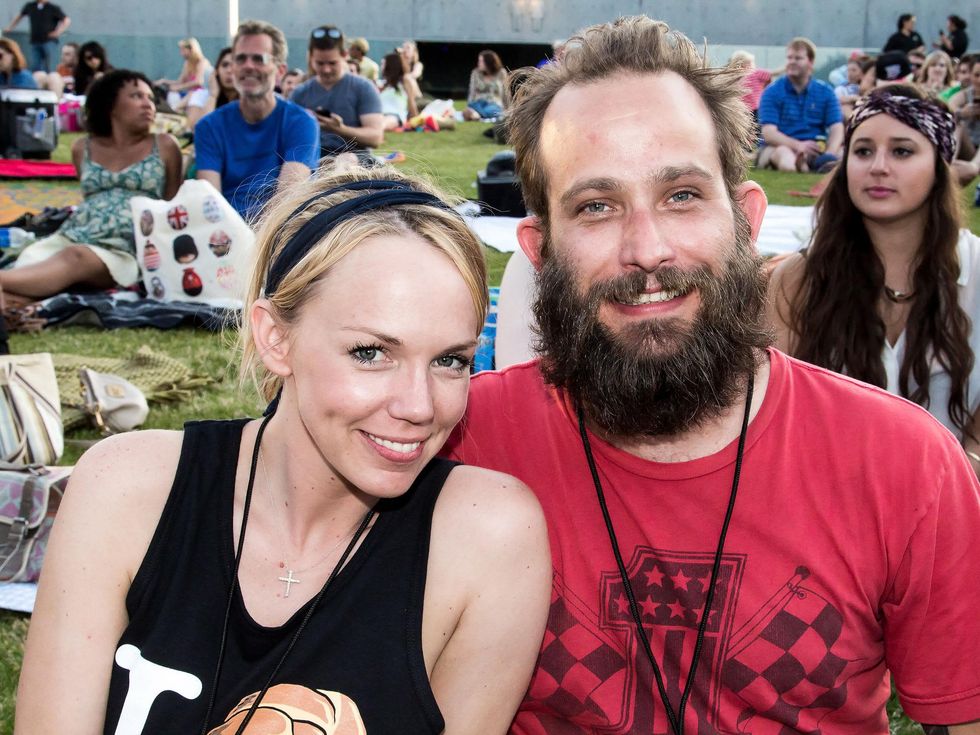
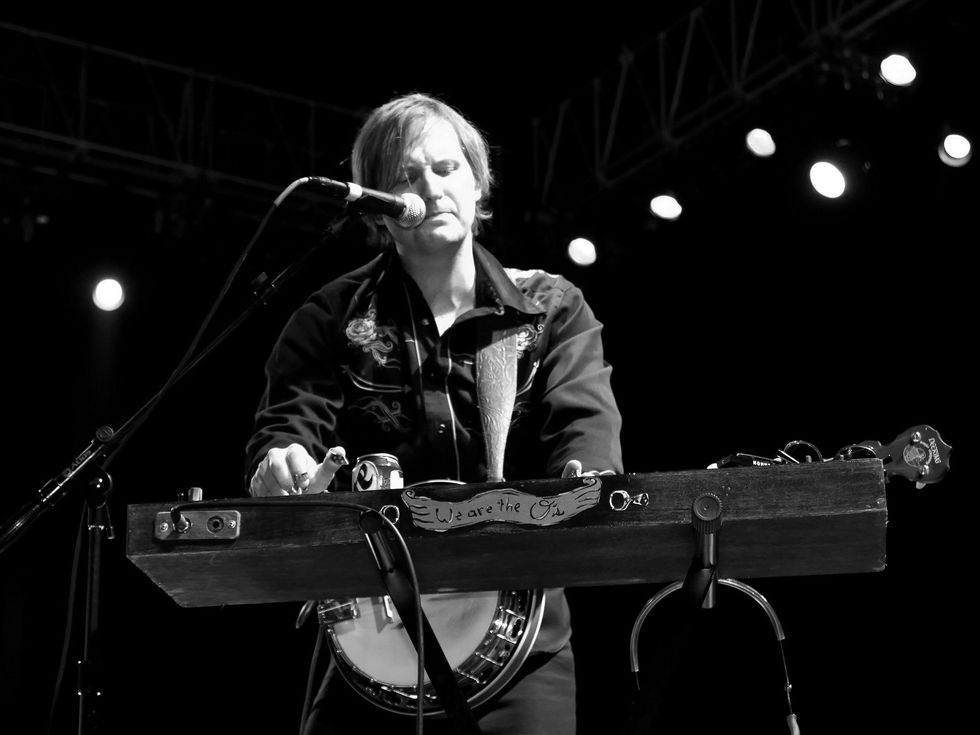
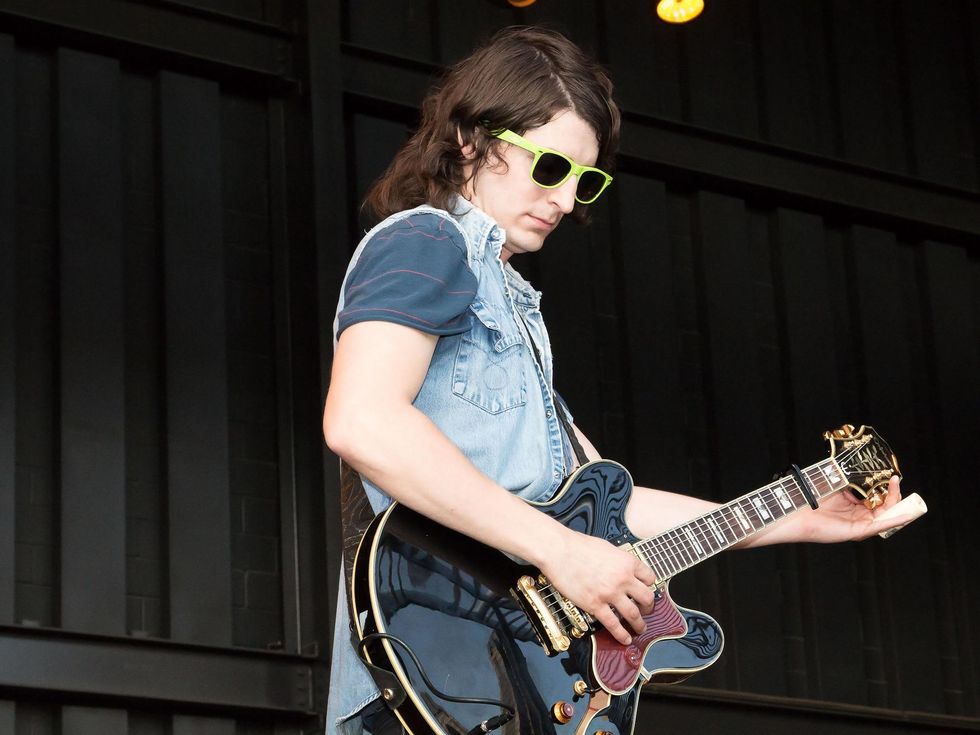
Just 11 days after the tragedy, the citizens of Dallas descended on Annette Strauss Square to support their neighbors to the south at the Texans for West benefit concert. Hundreds of music enthusiasts sprawled out on the lawn at the AT&T Performing Arts Center to catch Jonathan Tyler & The Northern Lights, Toadies lead singer Vaden Todd Lewis, The O's, Somebody's Darling and Goodnight Ned — all of whom donated their time.
Credit goes to speedy event planners Matt Tobin, of Goodfriend Beer Garden & Burger House; Gavin Mulloy, of Granada Theater; Becki Howard,of AT&T Performing Arts Center; and major cash sponsor Regions Bank. The organizers also partnered with Communities Foundation of Texas (CFT) to create the Texans for West Fund. Concert proceeds will be deposited with CFT, which will distribute the money among nonprofits whose missions are to provide basic needs such as food, clothing, shelter and counseling services for those affected by the West disaster.
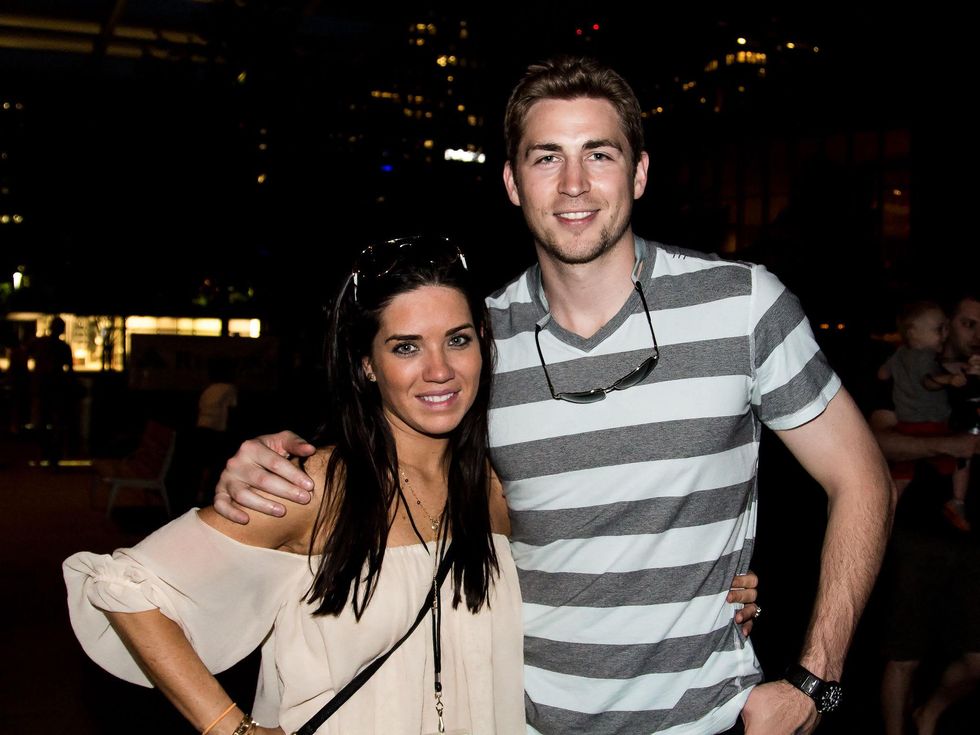
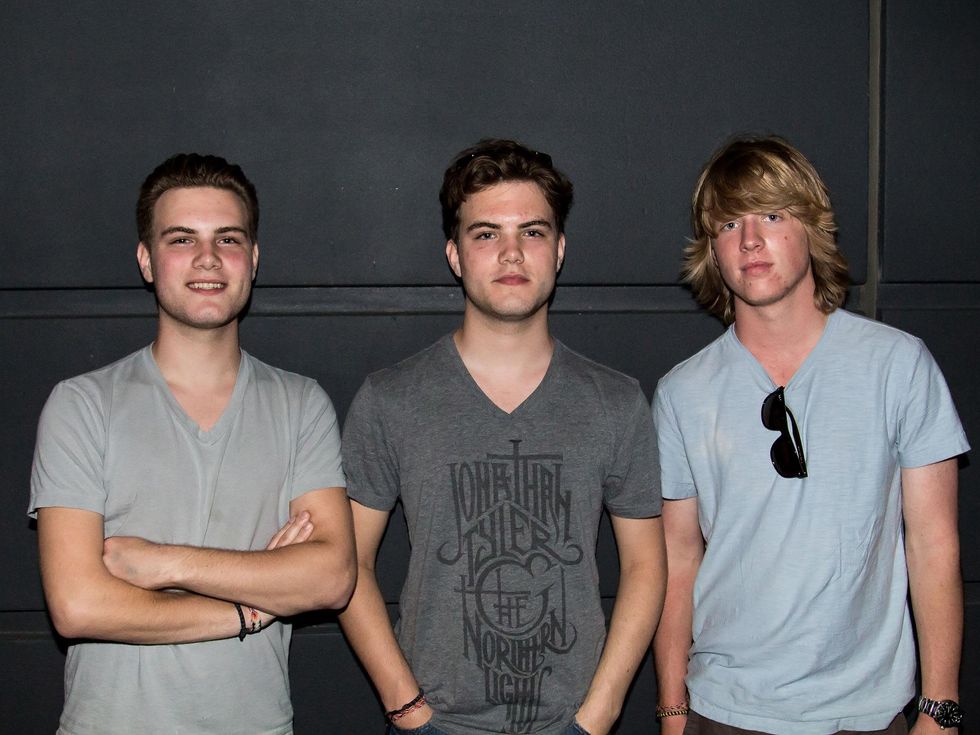
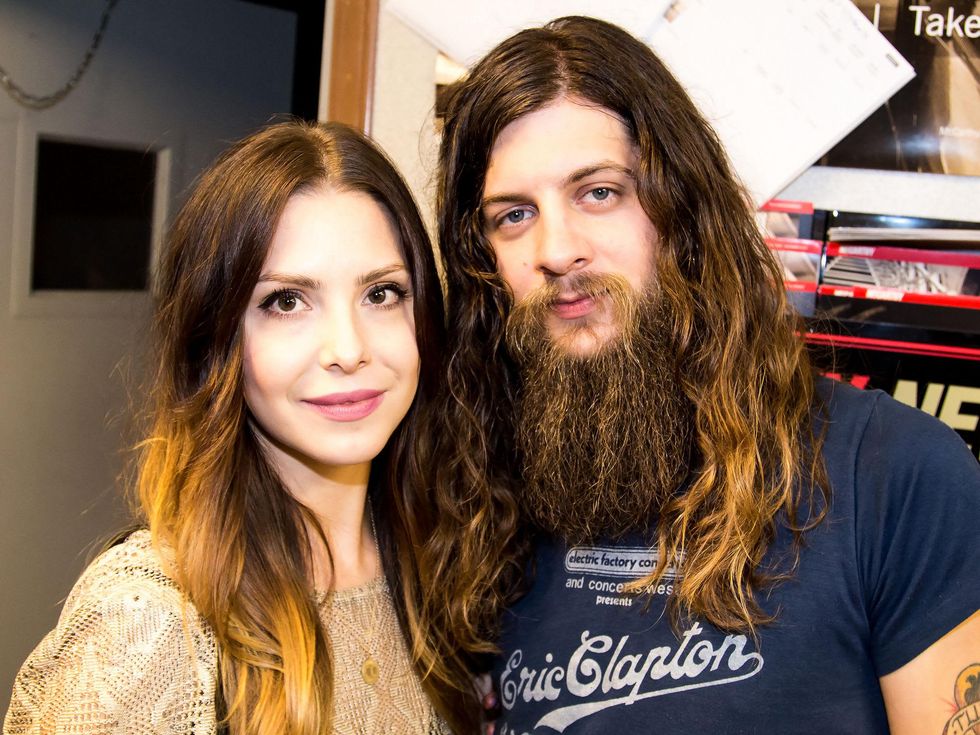
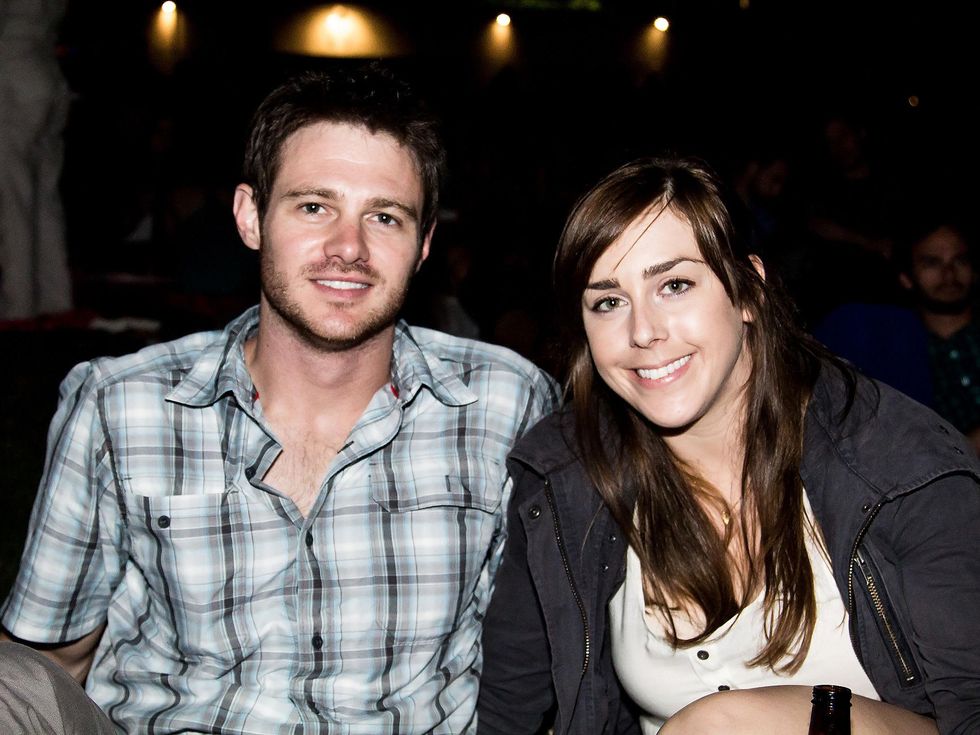
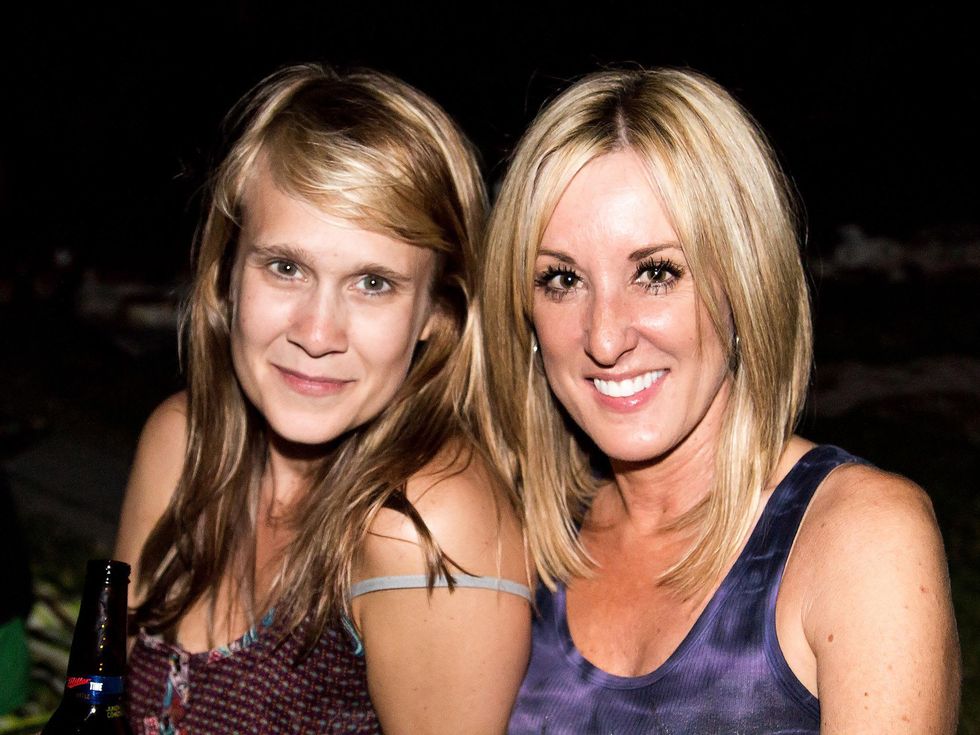
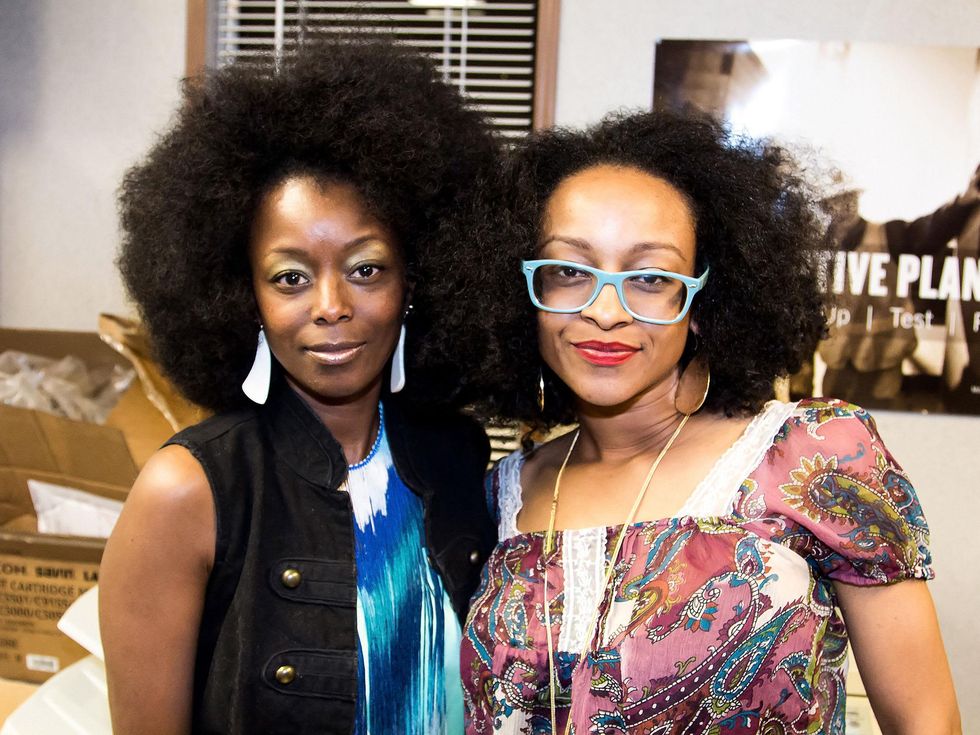
Spotted in the crowd of charitable concertgoers: Maxwell Smith, Nathan Yates, Katy Simmons, Sarah Hipp, Jeff Fryman, Billy Thomas, Zane Aveton, Rani Monson, Stephanie Bradshaw, Brandi Farris and Oliver Smith.
Hannah Einbinder and Gillian Anderson in Teenage Sex and Death at Camp Miasma.
The horror genre really ramped up in the 1970s and ‘80s, bringing with it a new subgenre - the slasher - that gave audiences new visuals of gore, but also a reliance on sexism and homophobia that would come to define the era. The new film Teenage Sex and Death at Camp Miasma wrestles with that legacy in ways that are funny, thought-provoking, and downright strange.
Kris (Hannah Einbinder) is a queer filmmaker who has been hired to reboot the moldy IP that is the Camp Miasma franchise, one that was fresh in the 1970s but which numerous shlocky sequels have rendered irrelevant. In an attempt to get to know the property better, Kris has scored a meeting with the reclusive Billy (Gillian Anderson), the star of the original film who has shunned the public eye for decades.
Turns out that Billy lives deep in the woods at Camp Rivoli, which served as the location for the first film. As Kris tries to get to know Billy and convince her to be a part of the new film, she starts to fall under Billy’s spell and the lore of the franchise as a whole. That includes believing that the movie’s villain, Little Death - a transgender person who has an air conditioning vent as a head/mask - may not just be a character created for the movies.
Written and directed by Jane Schoenbrun (I Saw the TV Glow), the film at first feels like it’s going to go the straight-up comedy route, with comic explosions of blood, a strange fascination with candy brands, and a production design that does nothing to hide that the two main actors are on a movie set with painted backdrops. This is backed up by Kris’ phone conversations with her girlfriend, Mari (Jasmine Savoy Brown) and her agent (Sarah Sherman), as well as numerous other details.
But the film starts to go down the surreal route the longer Kris stays at the camp with Billy, especially when they sit down to watch the original Camp Miasma. An extended sequence shows a good amount of that film-within-the-film, demonstrating why Kris and Billy have a love/hate relationship with the property. For Kris, though, the lines between the film and the real world start to blur, and Schoenbrun uses a variety of out-there elements to drive the point home.
The final act of the film can barely be described as Kris goes deeper down the rabbit hole, with Schoenbrun using her film to comment on the horror genre as a whole, its treatment of women and LGBT people, the movie industry, and more. All the while the “camp” of Camp Miasma maintains a presence, with candy wrappers showing up everywhere and the tongue-in-cheek references to Little Death (the French term La petite mort, which means “the little death,” is a euphemism for orgasm).
Einbinder, an Emmy winner for Hacks, is the perfect person to inhabit her role. Her established real-life and fictional personas color everything she does in the film, with her enthusiasm and curiosity shining through. Anderson leans heavily into another reference - Norma Desmond from Sunset Boulevard - to create a character that is as mysterious as she is alluring. Supporting actors like Brown, Sherman, Patrick Fischler, Dylan Baker, and Eva Victor keep the movie at the right pitch all the way through.
While other films have made fun of horror movie tropes before, Teenage Sex and Death at Camp Miasma finds a wholly unique way of doing so. It’s a funny and daring trip into the psyches of two women who may be victims of their own obsessions, and of the movies that made them that way.
---
Teenage Sex and Death at Camp Miasma is now playing in select theaters