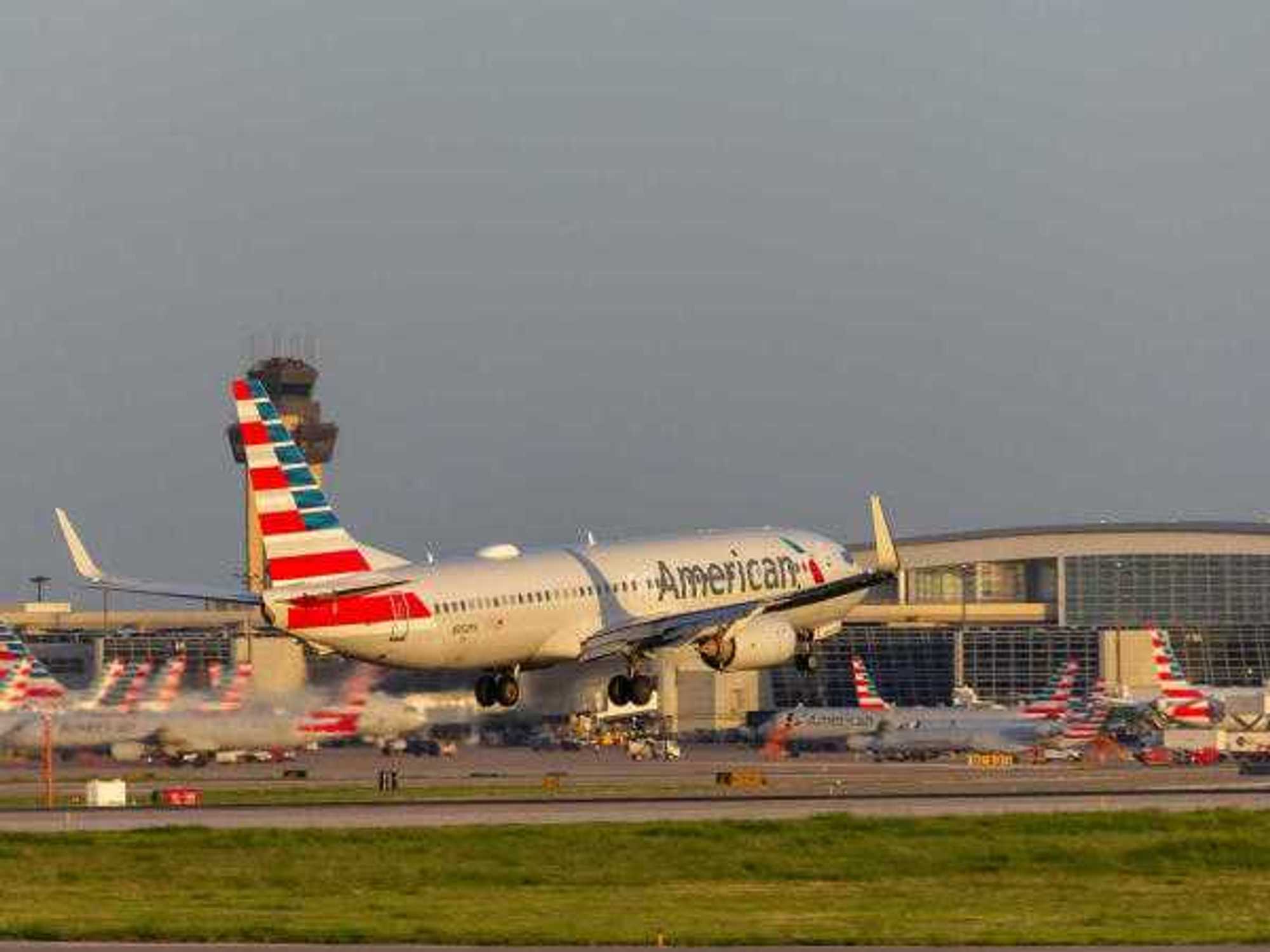
Ahead of the busy holiday season, North Texans should budget extra time into their travel plans before flying out of the metro's bustling Dallas Fort Worth International Airport.
DFW was just declared the No. 2 worst airport in the nation for flight disruptions by consumer review platform ConsumerAffairs, which analyzed the rates of moderate and severe delays, diversions, and cancellations at the 29 biggest U.S. airports. DFW also appeared as the No. 2 worst airport where holiday travel causes the biggest disruptions.
Ronald Reagan Washington National Airport in Arlington, Virginia led the nation as the No. 1 worst airport overall — the only airport deemed more disruptive than DFW.
Unlike many other airports on the list that experience high cancellation rates, the report revealed DFW's biggest issue is its high volume of flight delays. DFW has the No. 1 highest moderate delay rate out of all the airports examined, with more than a quarter of all flights (25.18 percent) delayed by 15 minutes and up to three hours.
"It’s the kind of delay that eats into your day without necessarily blowing up your whole trip," the report's author wrote.
Nearly two percent of all flights are delayed over three hours, making DFW the fifth worst airport for severe delays. However, the study says there is a silver lining for travelers saddled with severe disruptions.
"DFW offered more scheduled backup flights to the same destination than many of the other airports on this list, giving travelers a decent shot at rebooking if a flight fell through," the report said.
These are the cancellation and diversion rates at DFW, per the report:
- Cancellation rate: 2.31 percent
- Diversion rate: 0.29 percent
- Average same-day flights to the same destination: 3.95
- Cancellations that were the last flight of the day to that destination: 24.88 percent
Flying at DFW will be even more
stressful during the holidays, as 30 percent of flights will suffer from disruptions during the Thanksgiving and winter holiday travel periods — starting the Tuesday before Thanksgiving through the Monday after, and again from December 18 to January 5.
DFW has the eighth highest holiday disruption rate out of the biggest airports, and the fifth highest holiday severe delay rate. Put some padding on your itinerary, because about 2.5 percent of all flights will be delayed more than three hours during the holidays.
In ConsumerAffairs' separate list of the worst medium-sized airports, Dallas Love Field landed as the 15th worst out of 32 U.S. airports. About 22 percent of all flights at DAL experience moderate delays — the No. 1 highest rate in this category — and 1.07 percent are severely delayed.
Additionally, over 26 percent of all DAL flights will be disrupted during the holiday travel season, and two percent of flights will experience severe delays.
The top 10 worst U.S. airports for delays and cancellations are:
- No. 1 – Ronald Reagan Washington National
- No. 2 – Dallas Fort Worth International
- No. 3 – Newark Liberty International
- No. 4 – Miami International
- No. 5 – Philadelphia International
- No. 6 – Fort Lauderdale-Hollywood International
- No. 7 – LaGuardia
- No. 8 – Tampa International
- No. 9 – Washington Dulles International
- No. 10 – George Bush Intercontinental
Surprisingly, Los Angeles International Airport landed as the best major U.S. airport for avoiding travel disruptions. Phoenix Sky Harbor International (No. 2) and Seattle-Tacoma International (No. 3) round out the top three best airports for on-time travel.
The report offers the following suggestions to help anxious travelers avoid flight disruptions: look into travel insurance to protect against delays or cancellations; look for nonstop flights; or book flights with earlier departure times on an airline with multiple departures to your destination.
For flights that do get delayed or cancelled, travelers need to "act fast" to rectify their situation, says Jennifer Rykaczewski, the CEO of nonprofit consumer advocacy organization Affordable Skies.
"In the first 10 minutes, open the airline app, see whether you have already been rebooked and search for acceptable alternatives," Rykaczewski said. "Throughout the process, save any documentation of the delay or cancellation, plus receipts for meals or hotels, in case you need it for an insurance claim later."