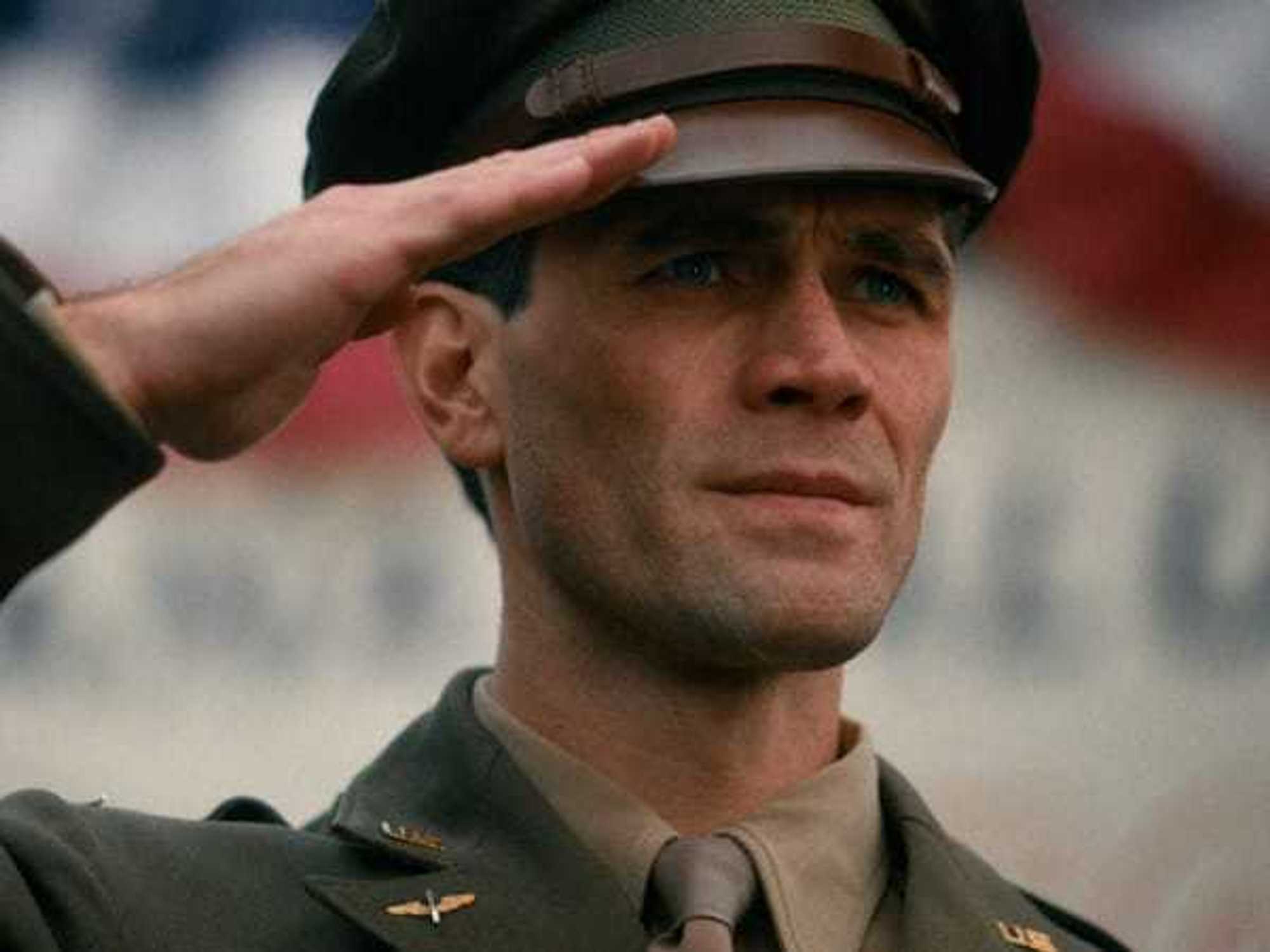
The Lone Star Film Festival in Fort Worth, happening November 7-10, takes place during the time of year when Oscar-worthy movies come out nearly every week. For the 2013 edition, organizers have made the festival a part of the Oscar conversation, securing several movies you're sure to hear a lot about during the next six months.
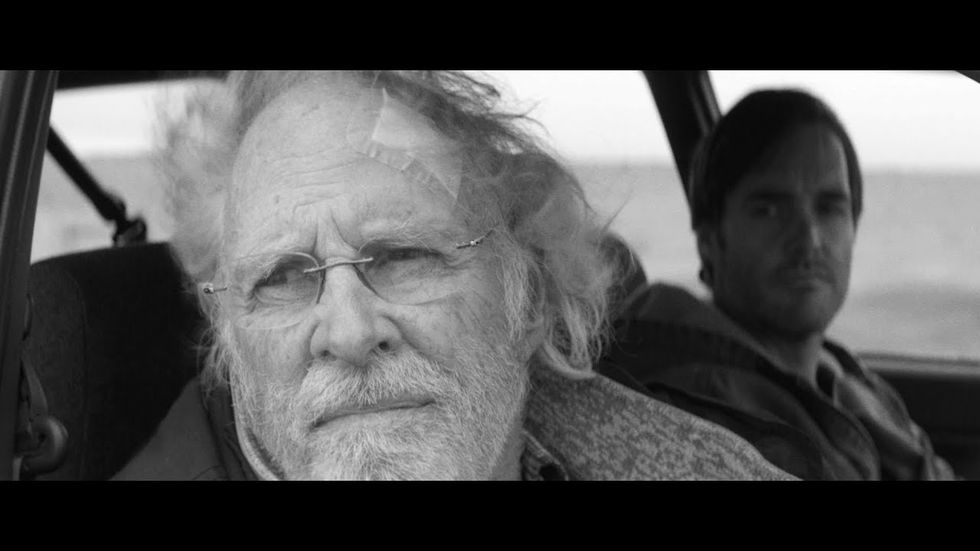
Leading the way is the latest from Oscar-winning writer/director Alexander Payne, Nebraska. The Omaha native often writes stories about his home state, and this one looks like an understated gem. The film was shot in black-and-white and stars Bruce Dern as a possibly senile man who believes $1 million is waiting for him in Nebraska.
Another big showcase film is August: Osage County, an adaptation of the Pulitzer Prize and Tony Award-winning play that stars, well, pretty much everyone in Hollywood. That includes Meryl Streep, Julia Roberts, Benedict Cumberbatch, Ewan McGregor, Juliette Lewis, Dermot Mulroney, Abigail Breslin, Sam Shepard, Chris Cooper and Julianne Nicholson, among others.
Other notable films in the initial line-up include Philomena, directed by Stephen Frears and starring Judi Dench; Tim's Vermeer, a documentary directed by Teller of Penn & Teller fame; Mandela: Long Walk to Freedom, a biopic of the South African hero starring Idris Elba;andre-mastered versions of classic films Contempt by Jean-Luc Godard and Tokyo Story by Yasujiro Ozu.
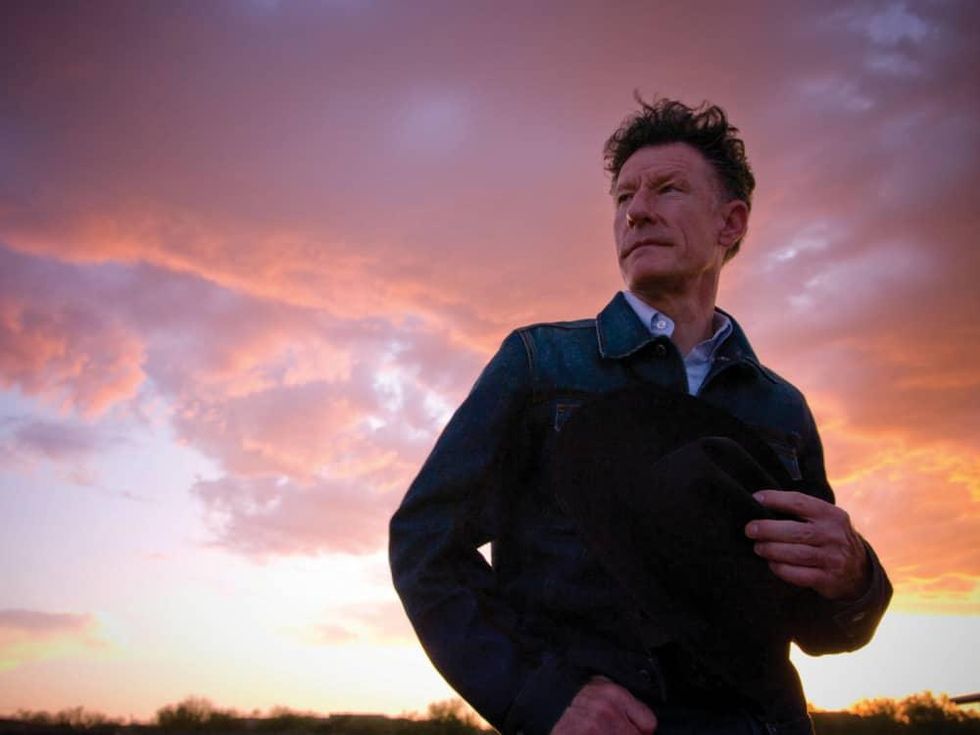
The festival will also honor Lyle Lovett with with the Stephen Bruton Award for his longtime contribution to film as an actor and musician, and Stephen Murrin, Jr. with the inaugural Visionary Award for his commitment to Fort Worth and the Lone Star Film Society.
The festival will take place at AMC Palace Theater and other locations around downtown Fort Worth.
The starry August: Osage County will play at the Lone Star Film Festival well over a month before its wide release.
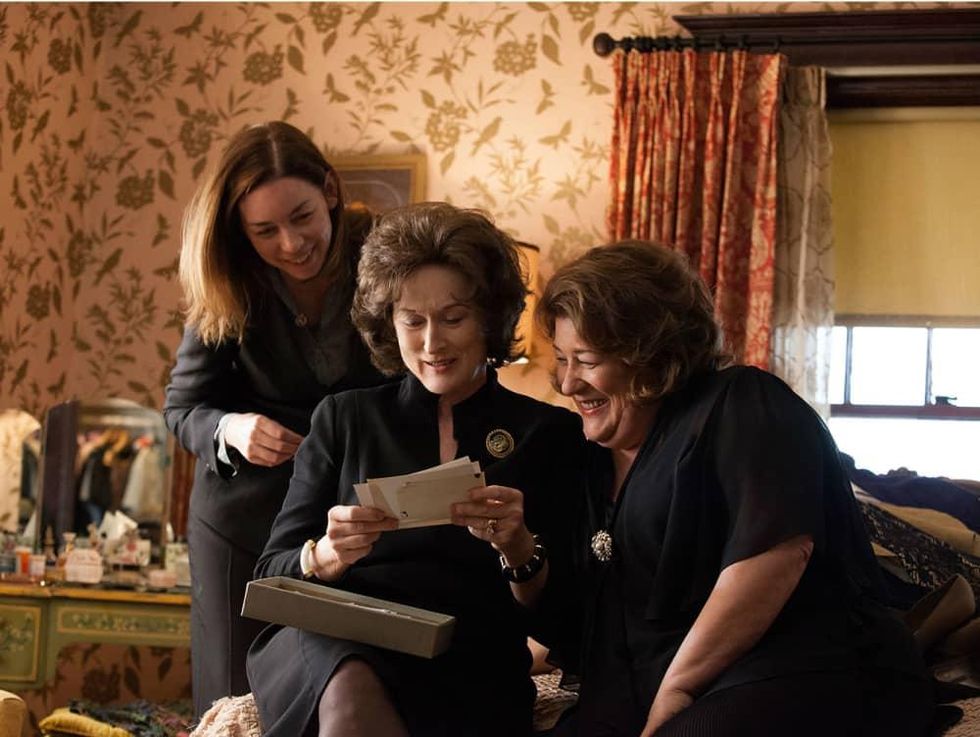
Photo courtesy of The Weinstein Company
The starry August: Osage County will play at the Lone Star Film Festival well over a month before its wide release.
Actor Jimmy Stewart, thanks to movies such as Mr. Smith Goes to Washington, The Shop Around the Corner, and The Philadelphia Story, had the reputation early in his career as the everyman in Hollywood, someone to whom most audiences could relate. That became even more true when Stewart entered the military during World War II, a period that is explored in the new biopic, Jimmy.
The film was co-produced with Fort Worth-based Papaian Studios and received a red-carpet premiere as part of the Lone Star Film Festival on Wednesday, November 4. Stewart had several ties to Fort Worth, which were celebrated at the event.
Stewart (KJ Apa) was riding high in 1941, coming off his first (and only) Oscar win for The Philadelphia Story. As depicted in the film, his life is upended when he receives a military draft notice as the U.S. prepares for war. He’s determined to serve, but people like studio head Louis B. Mayer (Jason Alexander) try to talk him out of it. Already an experienced pilot, he eventually joins the war in Europe, flying the B-24 bomber.
Despite his celebrity status, Stewart requests to be treated the same as any other soldier, which means flying multiple missions over enemy territory. He moves up the ranks, becoming a leader tasked with, among other things, reporting the deaths of service members to their families. He also starts a friendship that develops into a romance with Lady Julia (Kara Killmer), giving him a distraction from the horrors of war.
Directed by Aaron Burns and written by Justin Strawhand, the film has the clear goal of being a hagiography for Stewart, showing all of his good qualities and few of his bad ones. In fact, the character of Stewart is harder on himself than the actual movie is, chastising himself over the deaths of fellow soldiers that he likely could not have prevented. The filmmakers go to great lengths to show how good and well-respected Stewart was, something that may well be true, but doesn’t make for great drama.
The bulk of the film features Stewart at war, following him and others as they fly multiple missions and commiserate over the price of combat. The sequences are fine, but the film’s budget does not appear to be high, and so the CGI needed to recreate the scenes is noticeably subpar. Because Burns and Strawhand usually keep to surface-level storytelling and don’t go deep on any character besides Stewart, his time at war is engaging but slight.
The film is bookended by Stewart and Frank Capra (Max Casella) making It’s a Wonderful Life, Stewart’s first film after coming back from war. It’s here where the movie becomes most interesting as Stewart, still affected by his war experience, struggles to bring the character of George Bailey to life. The behind-the-scenes look at the film-within-the-film and the recreations of its iconic scenes are catnip for anyone who knows/loves the Christmas classic.
Apa, best known for starring as Archie on the TV show Riverdale, does extremely well as Stewart. He nails Stewart’s quavering voice and the way he ambles about plays right into the actor’s established persona. Casella and Killmer get the most play in supporting roles, and each does solid work as characters trying to understand Stewart. Alexander, Sarah Drew as Hedda Hopper, and Rob Riggle as a colonel each go a little too big in their respective parts.
Jimmy is probably best watched as an approximation of the man Stewart was in the 1940s, not as something that’s completely true to life. The film elides or stretches the truth on multiple occasions, which is par for the course in biopics. It could have used some stronger storytelling to make Stewart feel like a real person, not merely a replica of the famous actor.