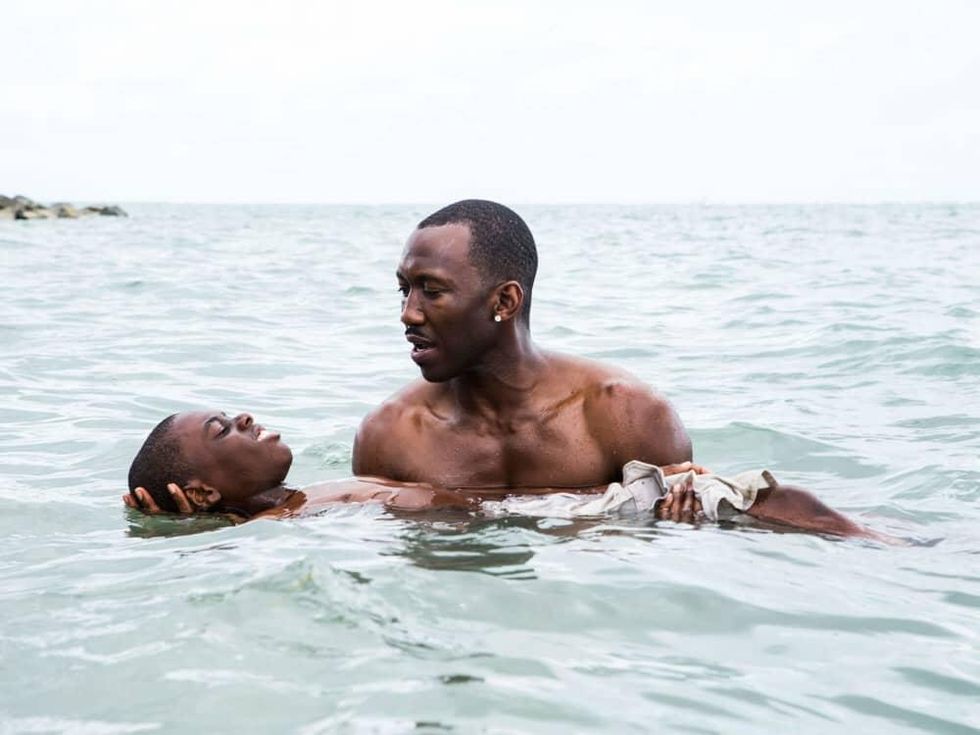
The intimate drama that follows a boy living in inner city Miami through three stages of his young life was also given three other awards: best director for Barry Jenkins, best supporting actor for Mahershala Ali, and the the Russell Smith Award, an honor given annually to the best low-budget or cutting-edge independent film. The award is named for the late Dallas Morning News film critic.
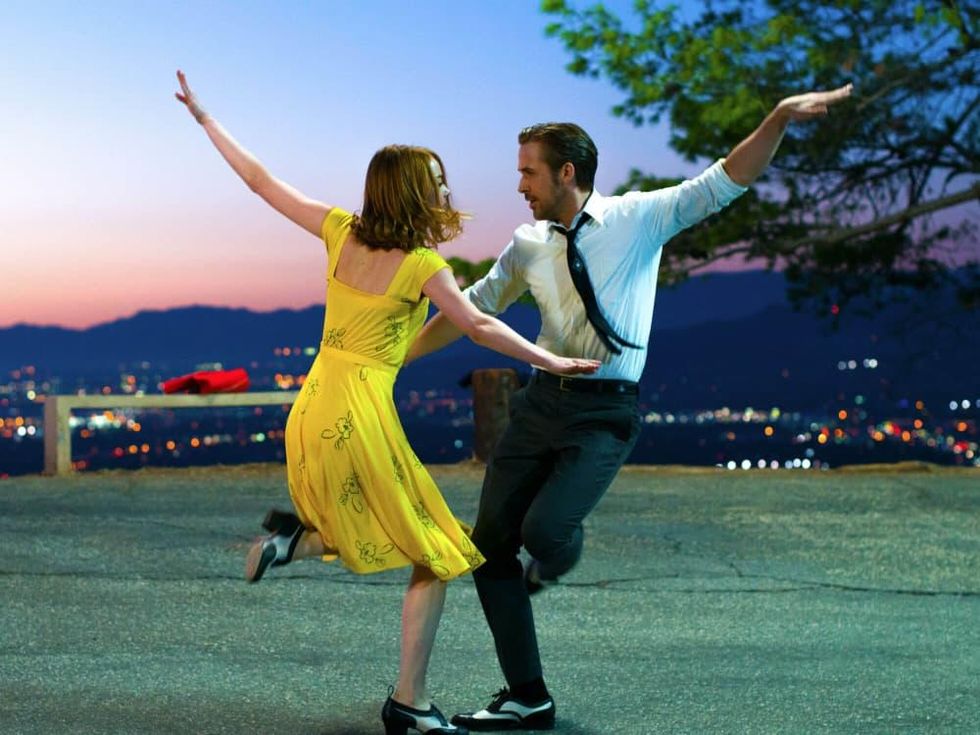
The rest of DFWFCA's top 10 films of the year were, in order, Manchester by the Sea, La La Land, Hell or High Water, Arrival, Jackie, Loving, 20th Century Women, Hacksaw Ridge, and Silence.
The critics group also doled out the following awards:
While the horror genre is still capable of producing some innovative filmmaking, most of the output tends to fall back on jump scares and other tropes to deliver their terror. So when a film like the new Undertone tries something different, it should be applauded for the effort, even if it’s not as successful in its execution.
Evy (Nina Kiri) is a podcaster who co-hosts a show called Undertone, which focuses on paranormal videos and sounds they find on the internet. Her co-host, Justin (Adam DiMarco), lives in London, so - for kind of contrived reasons - in order to make the time difference between them work, Evy records at around 3 am her time. Evy - who lives at home with her bedridden, dying mother - is the skeptic of the two, consistently debunking clips that Justin presents to her.
Her doubts are tested when Justin brings in a series of 10 audio clips that purport to be about a boyfriend recording his girlfriend as she talks in her sleep. The audio begins in a lighthearted manner and quickly turns creepy and then sinister as unexplained things start happening. Evy senses that what she’s hearing is bleeding into her own world, especially when inexplicable actions take place in her mother’s bedroom.
Written and directed by first-time feature filmmaker Ian Tuason, the film is effective early on when it introduces the story concept. Making great use of sound design, Tuason essentially puts the audience inside Evy’s head, where every little sound is heightened. Setting the podcast sessions in the middle of the night ups the anxiety level for both her and the audience.
However, as the film goes along it gets a little tedious watching Evy listen to the audio, even as Tuason attempts to keep the film dynamic by moving the camera around her. The premise of the story - progressively going through 10 clips - and Tuason’s framing of shots that focus as much on the background as they do on Evy seem to promise more interesting results than actually transpire.
What ultimately holds the film down more than anything is its lack of different viewpoints. The only other person who’s actually seen is Evy’s mother, who is unable to speak. Evy speaks to Justin, another friend, and a doctor over the course of the story, and while each broadens our understanding of Evy somewhat, none of them make her a truly three-dimensional person. Getting a little more information about her history might have helped the story work better.
Kiri does her level best to vary her acting in the various podcast scenes, and even when they start to get repetitive, she remains compelling and watchable. It’s difficult to judge the other actors based on audio alone, but knowing that DiMarco also starred in season 2 of The White Lotus helps to visualize him and his acting style.
Undertone does well in creating a spine-chilling mood, but it needed something beyond that to become a truly great horror movie. Tuason shows some promise as a filmmaker, especially in the way he uses the camera to create tension, but a more complete story will serve him better the next time around.