Anyone looking to get out of the house and take in some entertainment this weekend in and around Dallas will find a nice variety of things to do. Choices include five theater productions, three comedians, a symphony concert, two different operas, a concert from a notable indie artist, a dance production, a drum showcase, and the final days of an art exhibition.
Below are the best ways to spend your free time this weekend. If you want more options, check out our calendar for an even longer list of the city's best events.
Thursday, February 26
Echo Theatre presents You Must Wear a Hat
A world premiere by C. Meaker, You Must Wear a Hat features Tuesday & Weeks, who make hats on the Great Barrier Reef, waiting for the world to end. The fish have died, the coral won’t hold on for long, and it’s been a considerable time since they saw another person. It is very, very hot outside. You must wear a hat. They pass the time together, making hats — and deciding whether or not to ... keep making hats. The production runs through March 14 at Bath House Cultural Center.
Dallas Theater Center presents Where We Stand
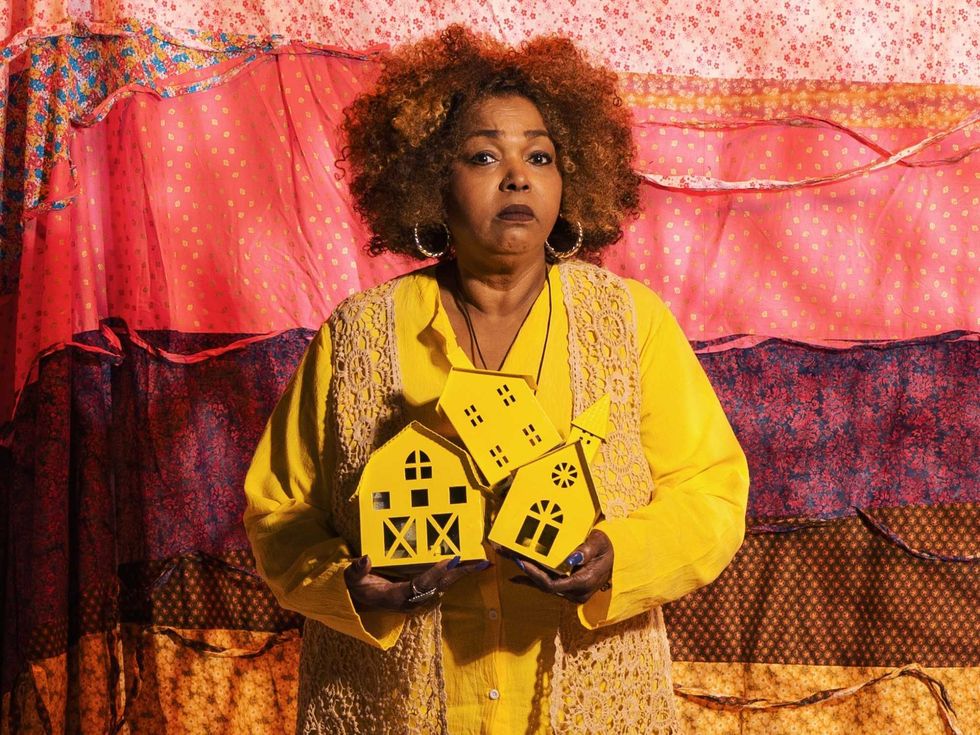
Following a run at Stage West Theatre in Fort Worth, the co-production Where We Stand will be presented by Dallas Theater Center. Your town stands at a crossroads. A neighbor — desperate and out of options — has struck a dangerous bargain. Now, their fate lies in your hands. In this interactive play presented as a town hall gathering, the audience must choose: mercy or justice? Liz Mikel plays a lone storyteller who weaves a world through music and magic — part fable, part call-and-response. The future of the town — and the fate of a soul — hang in the balance. The production runs through March 22 at Kalita Humphreys Theater.
Pocket Sandwich Theatre presents Arsenic & Old Lace
Arsenic & Old Lace is a classic about the crazy Brewster family led by Mortimer Brewster. He's about to announce his engagement to the preacher’s daughter, is an author and newsman, and may be the only sane member of this group. Abby and Martha, his spinster aunts, are “helping” lonely old gentlemen to their heavenly rewards, while his brother, “Teddy Roosevelt,” digs the Panama Canal, and brother Jonathan has been turned into a Frankenstein look-a-like. The production runs through March 28 at Pocket Sandwich Theatre in Carrollton.
Friday, February 27
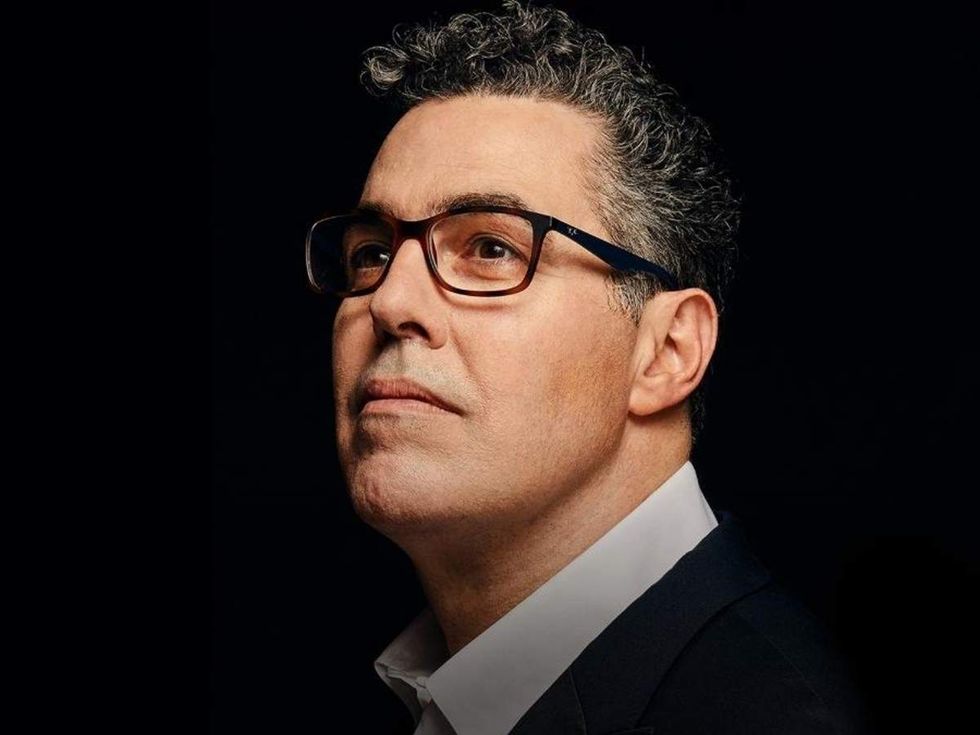
Hyena's presents Adam Carolla
Comedian Adam Carolla has dipped his toes in almost every aspect of the entertainment industry, co-hosting the Loveline radio show with Dr. Drew Pinsky, co-hosting The Man Show with Jimmy Kimmel, appearing on reality shows like Dancing with the Stars and Celebrity Apprentice, writing books, and even appearing in a few movies. He's best known these days for his podcast, The Adam Carolla Show. He'll perform four times through Saturday at Hyena's Comedy Nightclub.
TheaterWorksUSA presents Dog Man: The Musical
Dog Man: The Musical is a heartwarming and hysterical production based on the worldwide bestselling book series by Dav Pilkey. It follows the chronicles of a canine superhero who loves to fight crime and chew on the furniture. But while trying his best to be a good boy, can he save the city from Flippy the cyborg fish and his army of Beasty Buildings? Can he catch Petey, the world’s most evil cat, who has cloned himself to exact revenge on the doggy do-gooder? And will George and Harold finish their show before lunchtime? The production will have three performances through Saturday at Majestic Theatre.
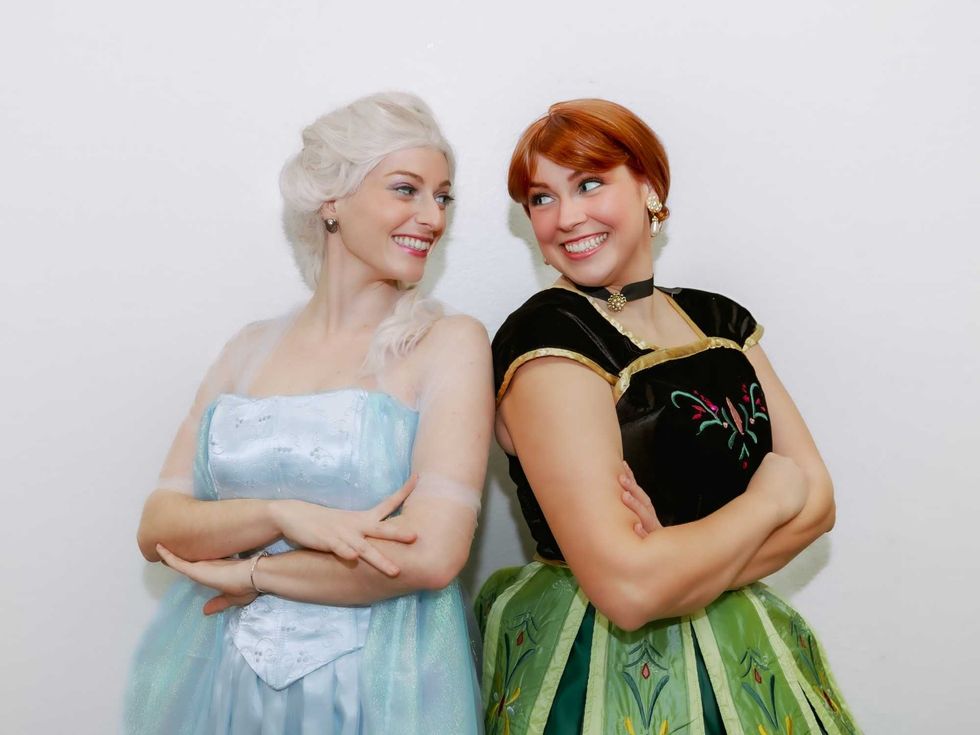
Family Music Theatre presents Disney's Frozen
Set in the enchanting kingdom of Arendelle, Disney's Frozen follows sisters Anna and Elsa as they navigate fear, love, and the power of embracing who you are. Featuring hit songs like "Let It Go," "Love is an Open Door," and "Do You Want to Build a Snowman?," the enchanting family-friendly production is filled with wonder, heart, and hope. It runs through March 14 at New Vida Church of God in Dallas.
Dallas Symphony Orchestra presents "Mussorgsky’s Pictures at an Exhibition"
Mussorgsky’s Pictures at an Exhibition is the composer's musical “gallery crawl,” featuring the titular pictures on exhibit, plus “traveling music” in-between. Artist-in-Residence Leonidas Kavakos takes a turn on the podium at this concert and leads the concertmaster in Prokofiev’s Concerto. The program will also include Ravel's Pavane pour une infante défunte (Pavane for a Dead Princess). The concert will have three performances through Sunday at Meyerson Symphony Center.
The Dallas Opera presents Don Carlo
Set amid the tumult of the Spanish Inquisition, Verdi’s masterpiece Don Carlo has it all: forbidden love, heartfelt bromance, searing family drama, and political intrigue to spare. King Philip II and the fearsome Grand Inquisitor battle for power, and Don Carlo, the king’s heir, struggles to conceal his passion for the Queen, who’s also his stepmother. Foes and friends maneuver and manipulate in one of opera’s most magnificent masterworks. There will be four performances through March 7 at Winspear Opera House.
Aimee Mann in concert
Singer Aimee Mann comes to Dallas as part of her 22 ½ Lost In Space Anniversary Tour in celebration of her 2002 album, Lost in Space. Mann has released 10 albums in her career, most recently Queens of the Summer Hotel in 2021. She'll be joined by special guest Jonathan Coulton. The concert takes place at Longhorn Ballroom.
Texas Ballet Theater presents Diversions
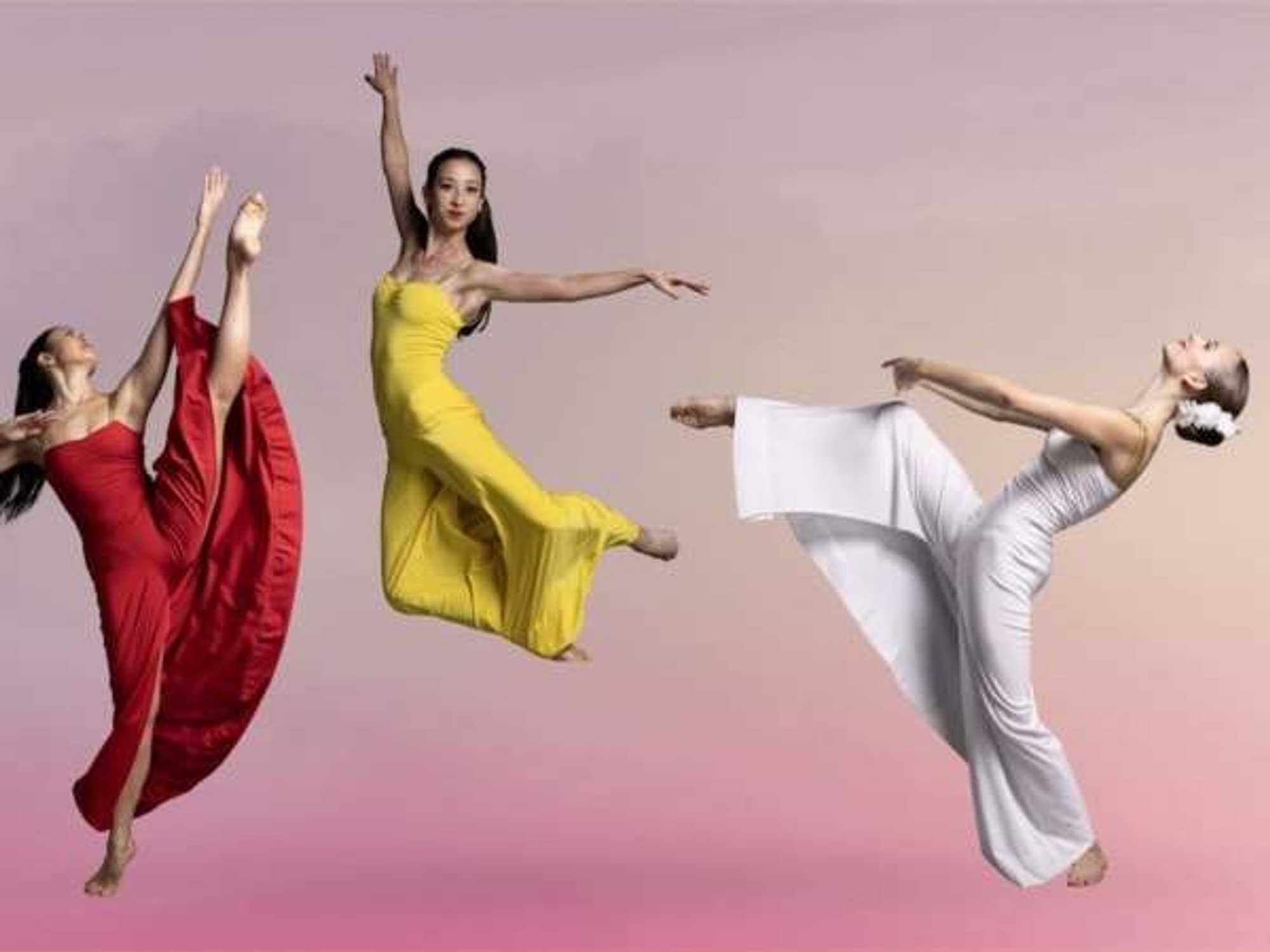
Texas Ballet Theater's mixed repertoire production, Diversions, features four diverse works that showcase unparalleled versatility. The works include Violin Concerto in D, a sweeping classical marvel of white tutus and tiaras set to Tchaikovsky’s masterful score; Diversion of Angels, Martha Graham’s modern masterpiece exploring the poetic complexities of love in its many forms through bold, vivid choreography; Bolero, a heartfelt tribute blending the timeless sounds of life with contemporary expression; and Company B, a neoclassical ballet that is an energetic wartime homage set to the iconic swing rhythms of the Andrews Sisters. The production will have four performances through Sunday at Wyly Theatre.
Eisemann Center presents Drum Tao
Drum Tao features a fusion of traditional Japanese drumming and modern spectacle. Renowned for their choreography, rhythms, and artistry, Drum Tao has earned international acclaim for their innovative take on Wadaiko drumming. They will perform at Eisemann Center for Performing Arts in Richardson.
Saturday, February 28
The Dallas Opera presents The Three Little Pigs
While adults can enjoy Don Carlo, the Dallas Opera will also present a kid-friendly production, The Three Little Pigs. True to the classic tale, three little pigs prepare to build their separate houses to withstand an impending visit by the hungry wolf. Only this time, the pigs are named for famous characters in Mozart operas, and they sing their little hearts out as they debate the merits of straw, sticks, and brick as building materials. The English-language, 30-minute mini-opera is perfect for young attention spans. It takes place at Winspear Opera House.
Mae Martin: The Possum
Mae Martin is an award-winning comedian, actor, writer, and producer who hosts the podcast, Handsome, alongside Tig Notaro and Fortune Feimster. They can currently be seen in Outsanding: A Comedy Revolution, a Netflix documentary that explores the history of LGBTQ+ stand-up comedy and its importance as an instrument for social change over the past five decades. They'll perform at Texas Theatre.
Sunday, March 1
Crow Museum of Asian Art presents Eliza Au: "Squaring the Circle" closing day
Sunday will be the final day to view Eliza Au: "Squaring the Circle" at Crow Museum of Asian Art. Showcasing intricately designed ceramic sculptures by the Texas-born artist, the major solo exhibition explores ornament through the built environment, ceramics, and design. Au is the second artist featured in the Crow Museum’s Texas Ties exhibition series, which showcases artists with connections to the Lone Star State.
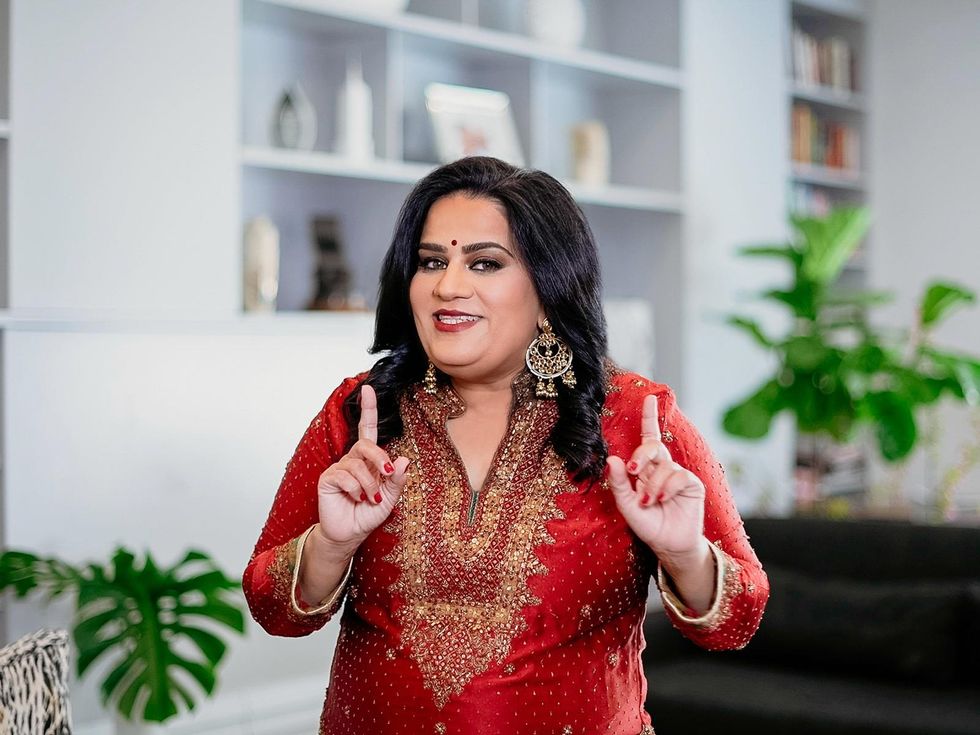
Zarna Garg: Million Dollar Excuses
Zarna Garg is one in a billion, an Indian immigrant mom stand-up comedian who believes brown women everywhere have a right to laugh at anything and anyone they want, including the sacred cows: brown men and their mothers. She performs clean, family-friendly comedy while wearing her kurta and bindi on stage and draws audiences into her authentic Indian world full of ironies, merciless maternal advice, and fresh observations on American life. She'll perform at Majestic Theatre.
Photo courtesy of Texas Ballet Theater