This busy weekend of new events in and around Dallas will be heavy on the performing arts; it includes seven theater productions, three dance events, and an opera. The other four options are concerts — one featuring a video game, another from a rising pop star, a classic Halloween movie accompanied by a symphony, and a return visit from a country superstar. And don't forget about Texas/Oklahoma weekend at the State Fair, where students can use their free tickets.
Below are the best ways to spend your free time this weekend. For more options, check out our calendar for an even longer list of the city's best events.
Thursday, October 8
Theatre Denton presents The Addams Family
The Addams Family is a musical comedy that depicts a ghoulish family of quirky characters who embrace all things macabre. They include the head of the family, Gomez; the love of his life, Morticia; their children, Pugsley and Wednesday; as well as Grandma, Uncle Fester, and their loyal butler, Lurch. The production runs through October 18 at Theatre Denton.
Repertory Company Theatre presents The Addams Family
No, you're not seeing double — Repertory Company Theatre will also put on The Addams Family this weekend. Wednesday Addams, the ultimate princess of darkness, has grown up and fallen in love with a sweet, smart young man from a respectable family. Now, Gomez Addams must do something he’s never done before — keep a secret from his beloved wife, Morticia. The production will have four performances through Sunday at Courtyard Theater in Plano.
Pegasus Theatre presents Noir Hamlet
There’s never a good time to find yourself on the roof, twelve flights above the sidewalk, not sure if you’re alone. And a cold midnight, in the fog, two months after the sudden death of a big shot detective who just happens to be your father? It’d be hard to come up with worse. Will Hamlet discover the truth of his father’s death, keep his mother from marrying a potential killer, and hold on to the love of his secretary Rae Chio? And what’s better for the City of Angels, justice or violent revenge? The production runs through October 31 at Addison Performing Arts Centre.
Sonic Live in Concert
As Sonic the Hedgehog celebrates 35 years as one of the most iconic video game franchises of all time, Senbla and SEGA will present Sonic Live In Concert, a concert experience that brings the music and moments of the beloved video games to the stage. The most recognizable music from the Sonic universe will be performed by a live ensemble alongside rock musicians, vocalists, and electronic elements. The concert takes place at The Pavilion at Toyota Music Factory in Irving.
Friday, October 9
Dallas Black Dance Theatre presents DanceAfrica
DanceAfrica is a celebration of the rich tapestry of African culture. The stage will come alive with traditional and contemporary African dance, driven by the pulse of live drums and performances by Dallas Black Dance Theatre, DBDT: Encore, Dallas Black Dance Academy’s Allegro, Senior, and Junior Performing Ensembles, plus special guest artists Lancaster High School DC3, Voices of Empowerment, and African drum and dance ensemble, Bandan Koro. There will be performances on Friday and Saturday at Moody Performance Hall.
Garland Civic Theatre presents Anything Goes
Anything Goes is a madcap 1930s musical set aboard the luxury ocean liner S.S. American. It follows lovelorn stockbroker Billy Crocker as he stows away to win the heart of a wealthy heiress, Hope Harcourt, who is engaged to an English aristocrat. Aided by nightclub singer Reno Sweeney and a lovable mobster named Moonface Martin, Billy orchestrates a series of comical disguises and chaotic schemes to thwart the wedding. The production runs through October 25 at Granville Arts Center in Garland.
Dallas Theater Center presents The Monsters
Lil is a scrappy young fighter ready to enter the ring. After 16 years, she reconnects with her brother Big, an accomplished fighter in the local MMA scene. To earn her brother’s respect, Lil must master her stance, her strikes, and her stubborn streak. But can these two siblings mend their thorny past and find common ground in the ring they both love? The production by Dallas Theater Center runs through November 1 at Wyly Theatre.
Dallas Symphony Orchestra presents Disney’s Hocus Pocus in Concert Live to Film
With witches, wands and wickedly good music, Disney’s Hocus Pocus in Concert Live to Film features the Dallas Symphony Orchestra performing John Debney’s score live to the film. Accidentally conjured on Halloween night in modern-day Salem, three 17th-century witches known as the Sanderson sisters plot to steal the life essence from the town’s children to ensure their own eternal life. Outwitted by three prankster kids and aided by the immortal feline Thackery Binx, the witches’ wicked scheme unravels in a spellbinding adventure. There will be three performances through Sunday at Meyerson Symphony Center.
The Dallas Opera presents The Elixir of Love
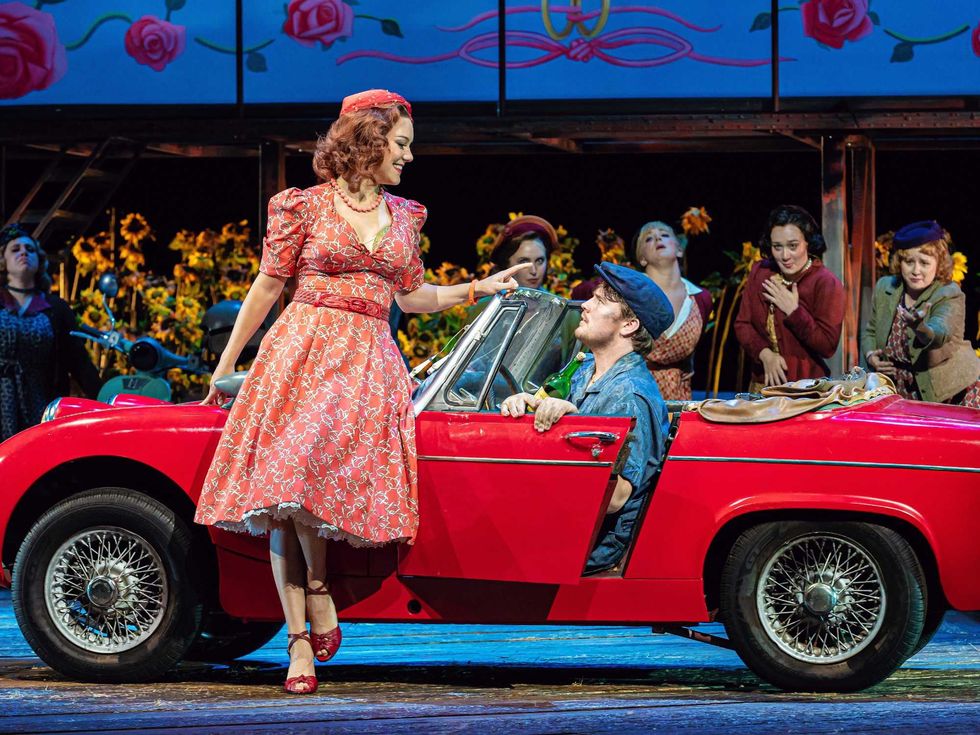
In The Elixir of Love, a hopeless romantic swoons for the town’s school teacher, but she doesn’t even notice him. Along comes a traveling salesman with the perfect “magical elixir” to give him all his heart desires. In the shifting climate of post-war Italy, will these two lovers find each other - or is the elixir not all it was promised to be? The production will have four performances through October 17 at Winspear Opera House.
Role Model in concert
Pop singer Role Model — aka Tucker Pillsbury — didn't get much traction with his first two albums until he released a deluxe edition of his second album, Kansas Anymore, a four-song addition that included the hit "Sally, When the Wine Runs Out." That song supercharged his career, leading to his recently-released third album, Chuck Timely & the Hourglass, making the top 10 on the Billboard 200 (not to mention a short-term relationship with Dakota Johnson). He'll play at The Pavilion at Toyota Music Factory in Irving.
Richardson Theatre Centre presents Night Watch
A happy housewife named Marsha, hopelessly addicted to reading murder mysteries, overhears her loving husband discussing her upcoming birthday surprise. To her ears, though, it sounds like they are planning to murder her. With the assistance of her next-door neighbor, she tries to turn the tables on them. The production runs through November 1 at Richardson Theatre Centre.
Theatre Coppell presents And Then There Were None
In And Then There Were None, a group of 10 people gather at the mansion on Soldier Island, just off the coast of Devon. Before the party truly gets under way, a recording plays that accuses each guest of murder. Baffled, these strangers realize that they have no idea who their host is, and when the first guest is murdered, they understand that they have been brought to the island by a maniac who intends to dispense his own perverted form of justice. The production runs through October 25 at Coppell Arts Center.
Saturday, October 10
Antares Productions presents Antecedents
Antecedents is a style-fusion dance concert by Antares Productions that highlights inspirational pieces of history. The event will showcase the dance styles of modern, jazz, and contemporary. It will take place in Hamon Hall inside Winspear Opera House.
Kacey Musgraves in concert
Country singer Kacey Musgraves is one of the must successful female singers in the genre in the last 10+ years. All six of her studio albums, including the new Middle of Nowhere, have reached at least No. 2 on the Billboard Country charts, and the top 4 on the overall Billboard 200. Her third album, Golden Hour, earned her the distinction of being only the third artist to take home Album of the Year at the Grammy Awards, Country Music Association Awards, and Academy of Country Music Awards. She'll play at American Airlines Center on both Saturday and Sunday.
Sunday, October 11
Avant Chamber Ballet presents Together We Dance
Together We Dance is a family-friendly celebration of dance and live music, presented by Avant Chamber Ballet. Elite regional dance companies will showcase the vibrant diversity of the local performing arts scene. The event features performances by Avant Chamber Ballet's professional company and trainees, alongside guest organizations like Bruce Wood Dance Dallas, Pegasus Contemporary Dance, Dallas Black Dance Theatre: Encore! and Bombshell Dance Project. The event takes place at Klyde Warren Park.
Photo courtesy of Kacey Musgraves