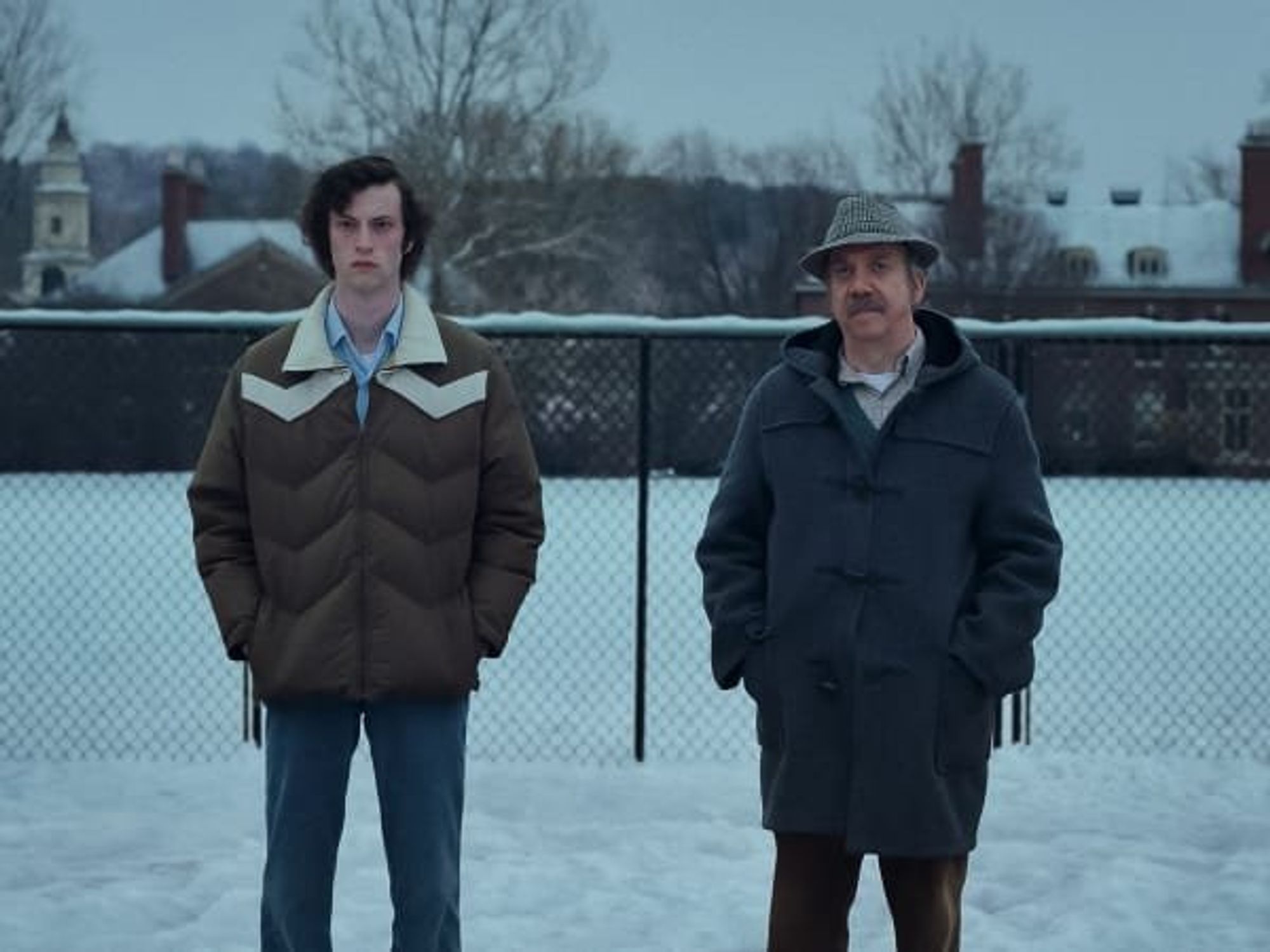
The Holdovers was named the best film of 2023 by the Dallas-Fort Worth Film Critics Association
Photo by Seacia Pavao / courtesy of Focus Features
The Dallas-Fort Worth Film Critics Association (of which CultureMap's Alex Bentley is a member) has named director Alexander Payne's The Holdovers as the Best Film of 2023, according to the results of its 30th annual critics’ poll.
Although The Holdovers took top honors, Christopher Nolan's Oppenheimer took home the most awards, winning for Best Actor (Cillian Murphy), Best Supporting Actor (Robert Downey, Jr.), Best Director (Nolan), and Best Cinematography (Hoyte van Hoytema).
The Holdovers was second in total number of awards with three, also winning for Best Supporting Actress (Da'Vine Joy Randolph) and Best Screenplay (David Hemingson).
Martin Scorsese's Killers of the Flower Moon won two awards, nabbing wins for Best Actress (Lily Gladstone) and Best Score (Robbie Robertson).
The winner of the Russell Smith Award, given to the best low-budget or cutting-edge independent film, was Jonathan Glazer's The Zone of Interest (out on January 12).
Following The Holdovers, the top 10 films were, in order, Oppenheimer, Killers of the Flower Moon, Poor Things, American Fiction (out on January 5), Past Lives, Maestro, Anatomy of a Fall, Barbie, and May December.
The Dallas-Fort Worth Film Critics Association consists of 24 broadcast, print, and online journalists from throughout North Texas.
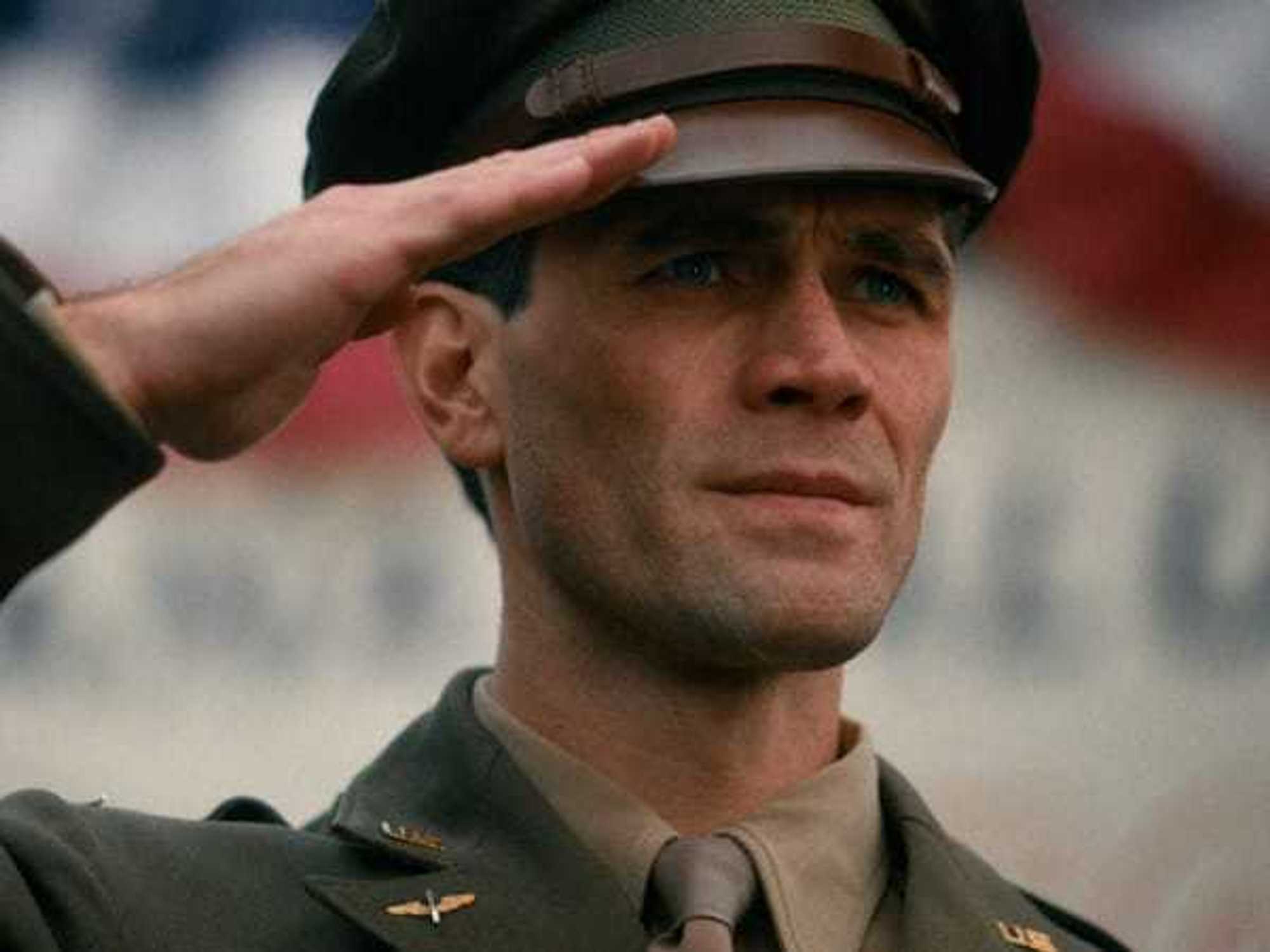
Actor Jimmy Stewart, thanks to movies such as Mr. Smith Goes to Washington, The Shop Around the Corner, and The Philadelphia Story, had the reputation early in his career as the everyman in Hollywood, someone to whom most audiences could relate. That became even more true when Stewart entered the military during World War II, a period that is explored in the new biopic, Jimmy.
The film was co-produced with Fort Worth-based Papaian Studios and received a red-carpet premiere as part of the Lone Star Film Festival on Wednesday, November 4. Stewart had several ties to Fort Worth, which were celebrated at the event.
Stewart (KJ Apa) was riding high in 1941, coming off his first (and only) Oscar win for The Philadelphia Story. As depicted in the film, his life is upended when he receives a military draft notice as the U.S. prepares for war. He’s determined to serve, but people like studio head Louis B. Mayer (Jason Alexander) try to talk him out of it. Already an experienced pilot, he eventually joins the war in Europe, flying the B-24 bomber.
Despite his celebrity status, Stewart requests to be treated the same as any other soldier, which means flying multiple missions over enemy territory. He moves up the ranks, becoming a leader tasked with, among other things, reporting the deaths of service members to their families. He also starts a friendship that develops into a romance with Lady Julia (Kara Killmer), giving him a distraction from the horrors of war.
Directed by Aaron Burns and written by Justin Strawhand, the film has the clear goal of being a hagiography for Stewart, showing all of his good qualities and few of his bad ones. In fact, the character of Stewart is harder on himself than the actual movie is, chastising himself over the deaths of fellow soldiers that he likely could not have prevented. The filmmakers go to great lengths to show how good and well-respected Stewart was, something that may well be true, but doesn’t make for great drama.
The bulk of the film features Stewart at war, following him and others as they fly multiple missions and commiserate over the price of combat. The sequences are fine, but the film’s budget does not appear to be high, and so the CGI needed to recreate the scenes is noticeably subpar. Because Burns and Strawhand usually keep to surface-level storytelling and don’t go deep on any character besides Stewart, his time at war is engaging but slight.
The film is bookended by Stewart and Frank Capra (Max Casella) making It’s a Wonderful Life, Stewart’s first film after coming back from war. It’s here where the movie becomes most interesting as Stewart, still affected by his war experience, struggles to bring the character of George Bailey to life. The behind-the-scenes look at the film-within-the-film and the recreations of its iconic scenes are catnip for anyone who knows/loves the Christmas classic.
Apa, best known for starring as Archie on the TV show Riverdale, does extremely well as Stewart. He nails Stewart’s quavering voice and the way he ambles about plays right into the actor’s established persona. Casella and Killmer get the most play in supporting roles, and each does solid work as characters trying to understand Stewart. Alexander, Sarah Drew as Hedda Hopper, and Rob Riggle as a colonel each go a little too big in their respective parts.
Jimmy is probably best watched as an approximation of the man Stewart was in the 1940s, not as something that’s completely true to life. The film elides or stretches the truth on multiple occasions, which is par for the course in biopics. It could have used some stronger storytelling to make Stewart feel like a real person, not merely a replica of the famous actor.