Even though it may not always feel like it, we are smack-dab in the middle of spring in Dallas, and - among other things - that means it's time for festivals to start coming out of the woodwork.
Almost every weekend in April and May will bring some sort of festival, with options devoted to music, nature, movies, art, and more.
Below is a list of 17 must-hit festivals taking place over the next two months in and around Dallas.
Downtown Dallas Arts & Music Festival
The Downtown Dallas Arts & Music Festival celebrates the dynamic cultural diversity representing Dallas-Fort Worth and serves as a central platform for local artists and musicians to showcase their talents. Visitors can enjoy live music and experience live painting, murals, curated art exhibitions and installations, performances, pop-up activations, food trucks, and more. April 10-12 at Main Street Garden Park in Dallas.
Scarborough Renaissance Festival
The annual Scarborough Renaissance Festival re-creates a 16th-century English village filled with immersive entertainment, including full-combat jousting, birds of prey exhibitions, live music and comedy, interactive performances, games of skill, and human-powered rides. The event also features one of the nation’s largest outdoor juried artisan marketplaces with more than 200 handcrafted shops. Open every Friday-Sunday through May 25 in Waxahachie.
 Scarborough Renaissance Festival takes place every Friday-Sunday through May 25 in Waxahachie. Photo courtesy of Scarborough Renaissance Festival
City of McKinney presents Arts in Bloom
At Arts In Bloom, visitors can peruse the work of over 120 handpicked artists filling the tree-lined streets surrounding the McKinney Performing Arts Center. The three-day celebration features an array of fine artistry, taste offerings from Texas wineries and culinary artisans, and musicians spanning multiple genres. April 10-12 in Historic Downtown McKinney.
Dallas Reggae Festival
The annual Dallas Reggae Festival features arts, crafts and jewelry vendors, Caribbean-inspired food and various artists, and local reggae bands. Performers will include The Wailers, Maxi Priest, Kabaka Pyramid, Duane Stephenson, Etana, Artikal Sound System, Anuhea, Arise Roots, and more. April 11 and 12 at Levy Event Plaza in Irving.
Breakaway Music Festival
The Breakaway Music Festival features performances by a variety of electronic music artists. There will be performances by over 20 different artists, including Angrybaby, Disclosure, Fisher, Mary Droppinz, Sofi Tukker, Trace, and more. April 10 and 11 at Fair Park in Dallas.
Dallas Art Fair
The Dallas Art Fair offers collectors, arts professionals, and the public the opportunity to engage with a selection of modern and contemporary artworks. Featuring galleries from more than a dozen countries and with several returning galleries expanding their presence with larger booths for more robust presentations, the 2026 roster underscores the Dallas Art Fair’s continued international scope. April 16-19 at Fashion Industry Gallery.
Ennis Bluebonnet Trails Festival
The annual Ennis Bluebonnet Trails Festival features an abundance of activities and live music throughout the weekend, as well as a spectacular array of Texas bluebonnets across 40 miles of trails. Festival activities include arts and crafts exhibitions, shopping, children’s activities, the railroad and cultural heritage museum, and food options. Visitors also can enjoy the beer garden or sample Texas wines at the Ennis Education Foundation Wine Wander. Bluebonnet Trails open April 1-30. Festival: April 17-19 in downtown Ennis.
Festival of Joy
The annual Festival of Joy is inspired by a global Indian tradition celebrated in cities around the world. The family-friendly event kicks off with a parade and chariot pull, followed by a day of crafts, yoga, wellness activities, performances, face painting, and more. April 18 at Klyde Warren Park in Dallas.
 Festival of Joy returns to Klyde Warren Park. Photo courtesy of Festival of Joy
USA Film Festival
A big film festival weekend gets started with the annual USA Film Festival, featuring 23 separate programs of narrative feature films, documentaries, and short films. Highlights include a salute to filmmaker Renny Harlin alongside a screening of his latest film, Deep Water, starring Aaron Eckhart and Ben Kingsley; a 75th Anniversary screening of Alfred Hitchcock's Strangers on a Train; and more. April 22-26 at Angelika Film Center in Dallas.
Dallas International Film Festival
The 20th edition of the annual Dallas International Film Festival will include more than 120 screenings, filmmaker Q&As, panels, nightly red carpets, and special events. Highlights include Cookie Queens, a documentary about Girl Scout Cookie season executive produced by Meghan Markle and Prince Harry; the horror film Obsession; Poetic License, the directorial debut of Maude Apatow; Power Ballad, the latest film from writer/director John Carney starring Paul Rudd and Nick Jonas; the documentary Gaslit, featuring actor and activist Jane Fonda; a retrospective screening of Butch Cassidy and the Sundance Kid; and more. The festival takes place April 23-30 at Cinépolis Luxury Cinemas Victory Park and other locations.
Lone Star Smokeout
Country music stars Riley Green, Koe Wetzel, and Shaboozey will headline the second annual Lone Star Smokeout. A roster of more than a dozen world-class BBQ pitmaster teams from Texas and across America will serve up great barbecue, and there will also be a new Sunday BBQ brunch. April 24-26 at AT&T Stadium in Arlington.
 Lone Star Smokeout Bbq & Country Music Festival will be at AT&T Stadium. Photo courtesy of Lettuce Entertain You Restaurants
Frisco Uncorked
The annual Frisco Uncorked features hundreds of award-winning wines, local restaurants, a VIP experience, a craft beer garden, shopping with a large variety of boutiques and artisans, grape stomping competitions, activations, and more. April 25 at Frisco Square.
Dallas International Guitar Festival
The Dallas International Guitar Festival is the largest and oldest guitar show in the world, blending musicians, fans, collectors and celebrities together into one huge musical extravaganza. Visitors can buy, sell, trade, or just browse among the thousands upon thousands of new and vintage guitars, basses, amps, banjos, mandolins, straps and strings, effects pedals, keyboards, music memorabilia and more. There will also be performances by more than 50 local, regional, and national bands on the festival’s four music stages. May 1-3 at Dallas Market Hall.
Cottonwood Art Festival
Cottonwood Art Festival is a semi-annual event that features works from over 240 artists competing in 14 categories, like 2D Mixed Media, 3D Mixed Media, Ceramics, Digital, Drawings/Pastels, Fiber, Glass, Jewelry, Leather, Metalwork, Painting, Photography, Sculpture, and Wood. The festival also features local bands who perform the best in rock, country, jazz, blues, swing and folk. May 2 and 3 at Cottonwood Park in Richardson.
The Other Art Fair
The Other Art Fair will presents its largest and most ambitious edition to date, showcasing 135 independent artists. The fair brings together a curated blend of Dallas and Texas-based artists with national and international talent, creating a vibrant marketplace that connects collectors to emerging voices from near and far. May 7-10 at Dallas Market Hall.
 Two guests at The Other Art Fair review a collection of curated works $500 and under. The Other Art Fair
City of Grapevine presents 42nd Annual Main Street Fest
Main Street Fest is a family-friendly festival in the heart of Historic Grapevine. Visitors can enjoy food, shopping, a KidZone, live music, a carnival and midway, Grapevine Art Project Market, and more. May 15-17 in Historic Downtown Grapevine.
Wildflower! Arts and Music Festival
The annual Wildflower! Arts and Music Festival includes live performances by a variety of bands, a Singer Songwriter contest, a Battle of the Bands contest, and more over the course of three days. Headlining the list of nearly 50 bands for the 2026 event will be George Thorogood and the Destroyers, Kaleo, Tonic, Justin Moore, Blues Traveler, and OK Go. May 15-17 in Galatyn Park Urban Center outside of Eisemann Center for Performing Arts in Richardson.



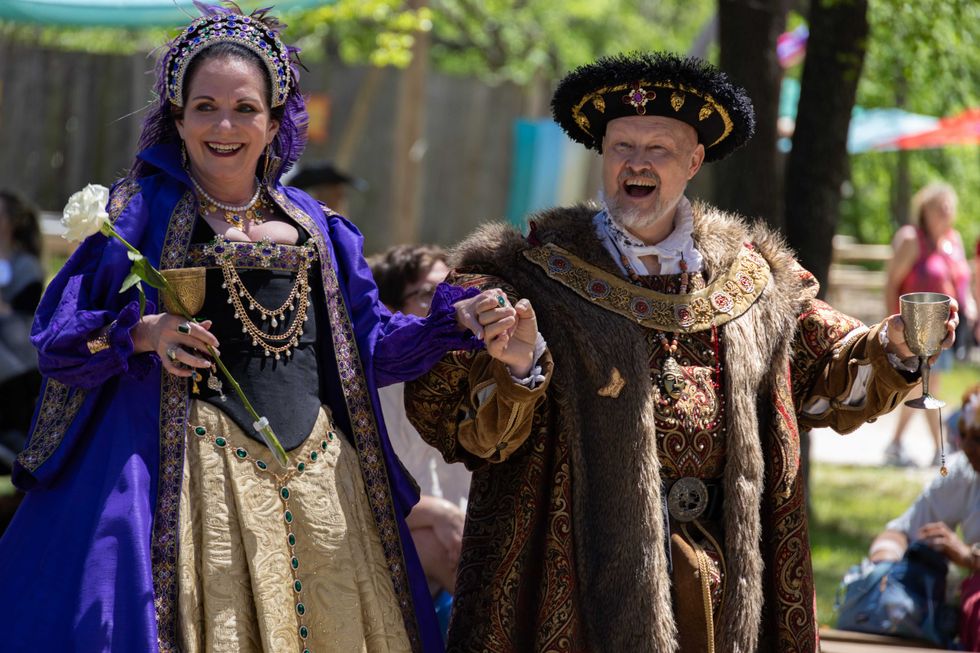 Scarborough Renaissance Festival takes place every Friday-Sunday through May 25 in Waxahachie. Photo courtesy of Scarborough Renaissance Festival
 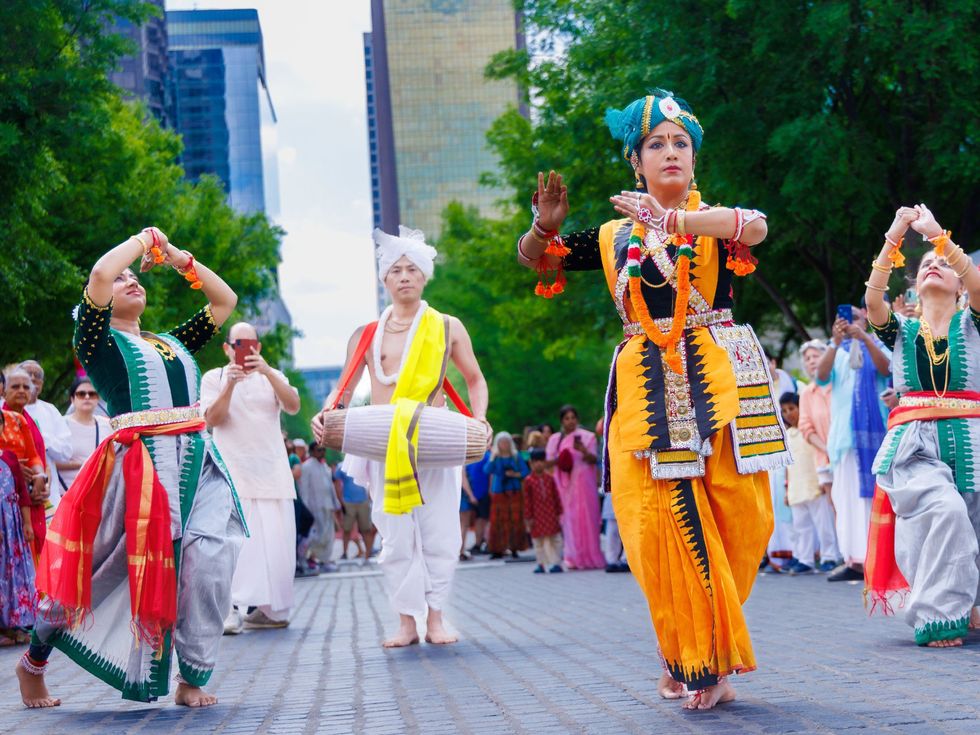 Festival of Joy returns to Klyde Warren Park. Photo courtesy of Festival of Joy
 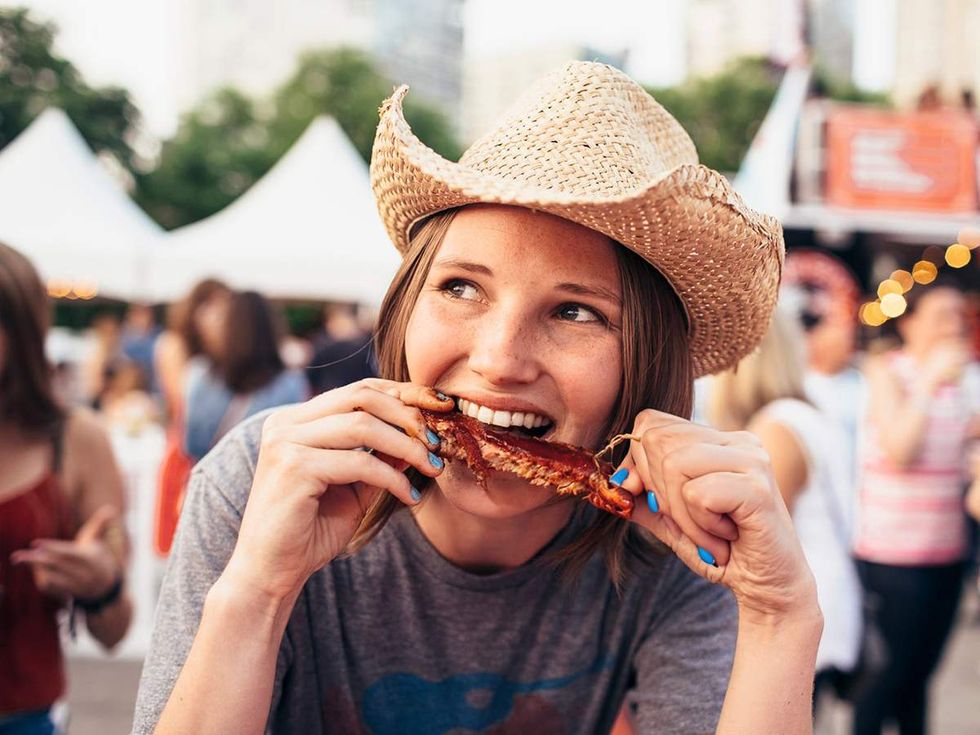 Lone Star Smokeout Bbq & Country Music Festival will be at AT&T Stadium. Photo courtesy of Lettuce Entertain You Restaurants
 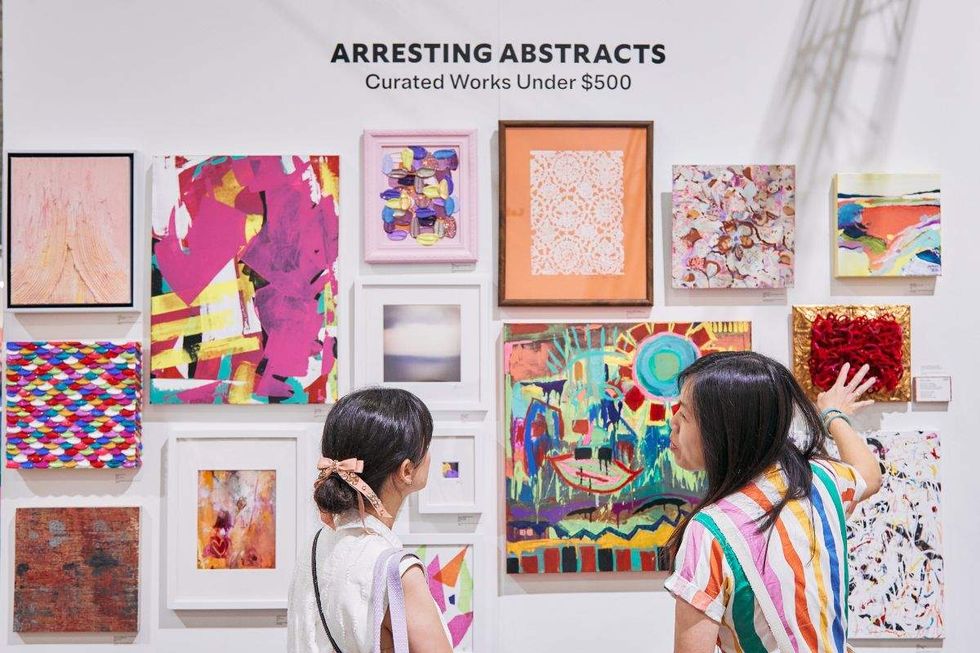 Two guests at The Other Art Fair review a collection of curated works $500 and under. The Other Art Fair