The holiday hangover is real when it comes to events, as very few new events will be taking place over New Year's weekend. Choices include New Year's Eve celebrations, a music festival, a big college football game, a family New Year's event, three comedians, two local theater productions, the annual return of a Chinese dance troupe, and the final days of holiday-themed events.
Below are the best ways to spend your free time this New Year's weekend. If you want more options, check out the calendar for an even longer list of the city's best events.
Wednesday, December 31
New Year's Eve celebrations
There are plenty of options acoss Dallas to celebrate the end of 2025 and beginning of 2026. We've helpfully compiled 12 of the most interesting ones on this list; head to our calendar to see more choices. Here are some special NYE dinners, and here's a list of restaurants open for brunch the following day.
Lights All Night
Electronic music fans will once again get to bring in the New Year with a variety of acts performing at Dallas Market Hall. The two-day event, which started on Tuesday, will wrap up on Wednesday with performances by Illenium, Porter Robinson (DJ set), RL Grime, Ayybo, Odd Mob, Jackie Hollander, Grabbitz, Maddy O'Neal, and Skellytn, among others.
Goodyear Cotton Bowl Classic
The annual Goodyear Cotton Bowl Classic will also serve as a quarterfinal game in the 2025 College Football Playoff. After a first-round win by the No. 10 seed Miami Hurricanes over Texas A&M, they will take on the No. 2 seed Ohio State Buckeyes at AT&T Stadium. The winner will move on to play either Georgia or Ole Miss at the Fiesta Bowl on January 9.
Thursday, January 1
Vogel Alcove presents 11th Annual Day 1 DFW
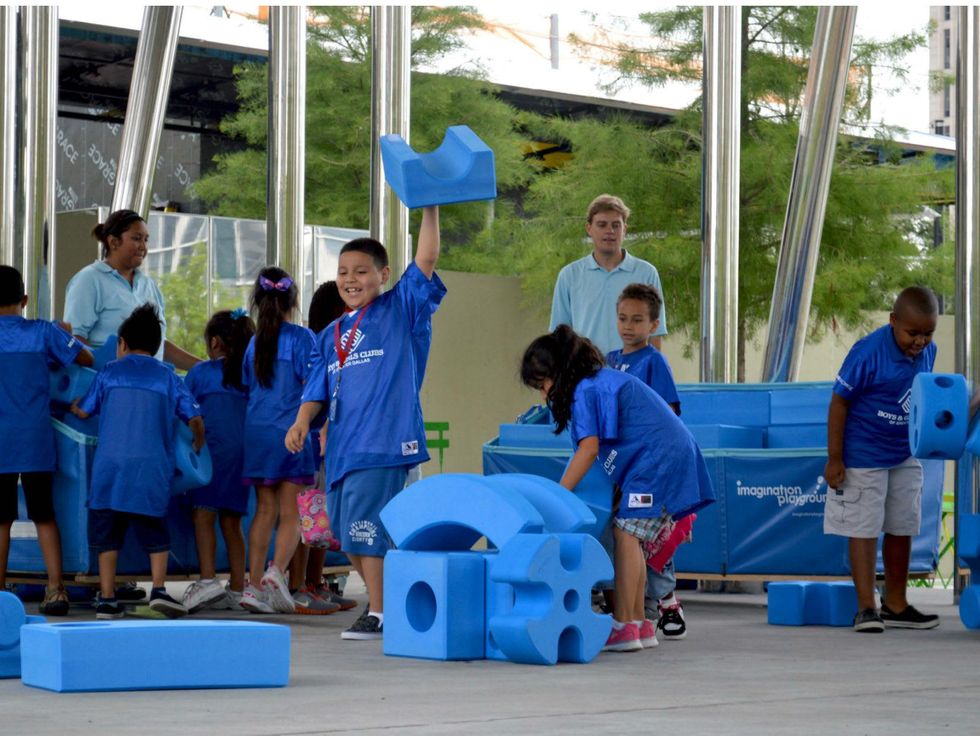
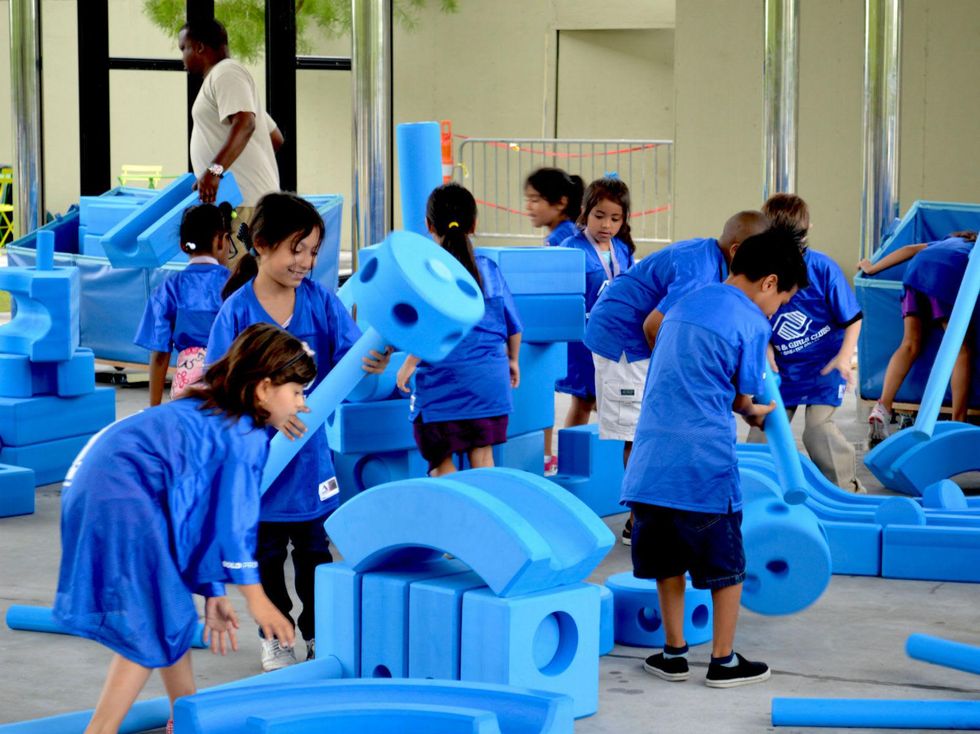
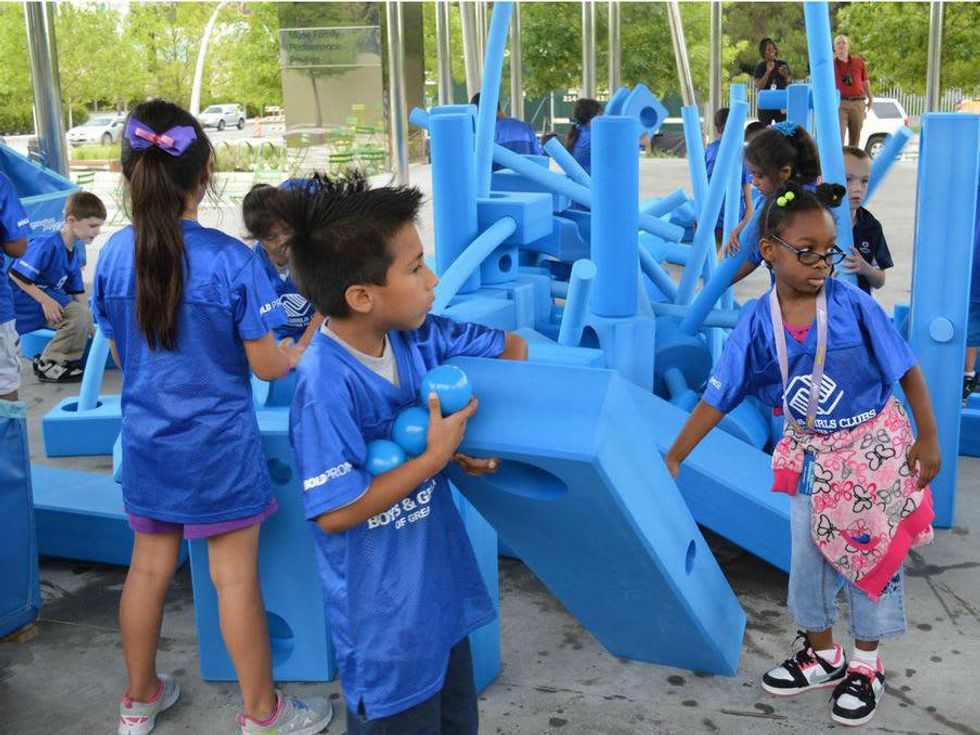
The 11th Annual Day 1 DFW is a family-friendly celebration packed with activities, live entertainment, and games that serve a heartwarming purpose. Taking place at Irving Convention Center at Las Colinas, visitors can enjoy a variety of food options available at the concession stands or in the Irving Convention Center Café.
Friday, January 2
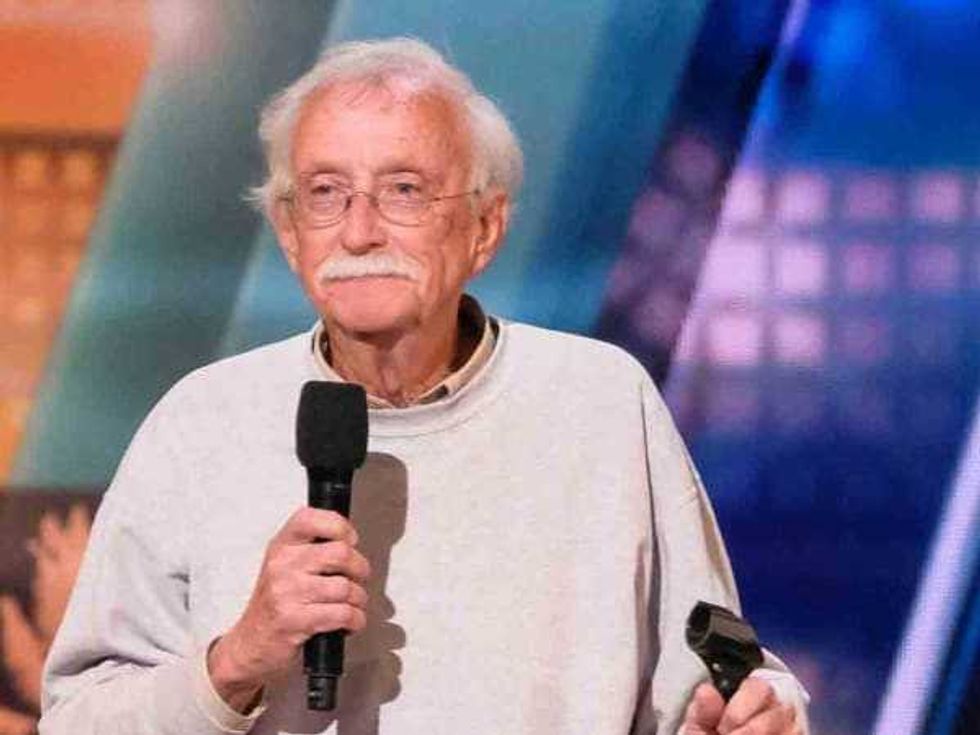
Punch Line Irving presents Andy Huggins
The area's newest comedy club will welcome one of the oldest working comedians today, Andy Huggins, who has been performing stand-up for 45 years. He has opened for acts ranging from Ray Charles to Jeff Foxworthy. His 2024 debut special, Early Bird Special, can be seen on Amazon Prime and King of The One-Liners on Don't Tell Comedy has been viewed by over 3 million people. He'll perform three times through Saturday at Punch Line Irving.
Improv Addison presents Dustin Nickerson
A Seattle native now suffering in Southern California, Dustin Nickerson describes himself as “the world’s most average person” but is far from it when on stage. He brings audiences into his life through his jokes about the struggles of parenting, marriage, and being generally annoyed by most people. In 2020, he released his debut comedy special, Overwhelmed. Nickerson also has a podcast, Don’t Make Me Come Back There, and a book, How to be Married to Melissa. He'll perform five times through Sunday at Improv Addison.
Improv Arlington presents Finesse Mitchell
Finesse Mitchell is a multi-faceted actor, author, and stand-up comedian who entered the comedy scene with appearances on BET’s Comic View and Comedy Central. In 2003, he joined the cast of Saturday Night Live. Mitchell has four one-hour comedy specials under his belt, including Slightly Offensive in 2025. He also produces a weekly podcast, Understand This with Finesse Mitchell. He'll perform five times through Sunday at Improv Arlington.
NTPA Repertory Theatre presents A Chorus Line
A Chorus Line is a concept musical capturing the spirit and tension of a Broadway ensemble audition. Exploring the inner lives and bittersweet ambitions of professional Broadway performers, the show features one powerhouse number after another, including “What I Did for Love,” “One,” “I Can Do That,” “At the Ballet,” “The Music and the Mirror,” and “I Hope I Get It.” The production serves as the annual NTPA Alumni show, performed by alums from NTPA youth theatre who have graduated and are now pursuing college or careers. There will be four performances through Sunday at North Texas Performing Arts in Plano.
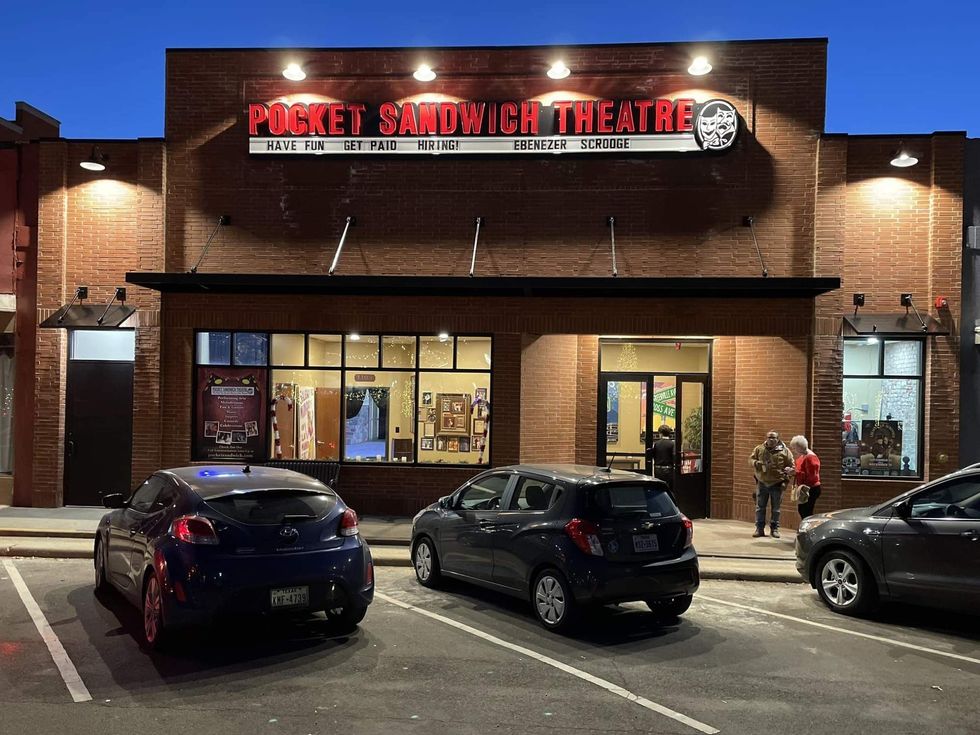
Pocket Sandwich Theatre presents The Final Adventures of Hercules
The Final Adventure of Hercules is a melodrama of mythic proportions that promises gods, monsters, and more drama than Zeus at a family reunion. Audience participation is mandatory (popcorn-throwing encouraged, lightning bolts optional). The production will open with a special performance at Pocket Sandwich Theatre's Second Chance New Year's Bash on Friday, where guests are encouraged to dress like a legend in togas or other mythical best to welcome in ... January 3. The production runs through February 14 at Pocket Sandwich Theatre in Carrollton.
Saturday, January 3
Shen Yun
Shen Yun's unique artistic vision expands theatrical experience into a multi-dimensional journey featuring one of the world’s most ancient and richest dance systems - classical Chinese dance - along with dynamic animated backdrops and all-original orchestral works. The dance troupe will perform three times through Sunday at Eisemann Center for Performing Arts in Richardson, and then return through eight more performances during a two-weekend stay, January 17-25.
Sunday, January 4
Last chance for holiday events
Sunday will be the final day to participate in most of the holiday-themed events in and around Dallas, including Holiday at the Arboretum at Dallas Arboretum and Botanical Garden, Ice featuring Elf at Gaylord Texan in Grapevine, Christmas at the Anatole at Hilton Anatole in Dallas, The Trains at NorthPark at NorthPark Center, The Light Park in Little Elm, Frisco, and Arlington, and Dallas Zoo Lights at Dallas Zoo, among others.
Photo courtesy of Shen Yun